Bonus | Count Me In At SuiteConnect NYC: Featuring Sue Vestri
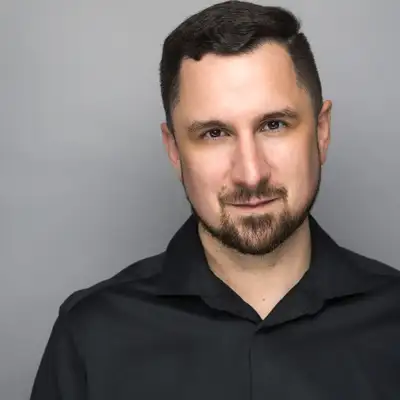
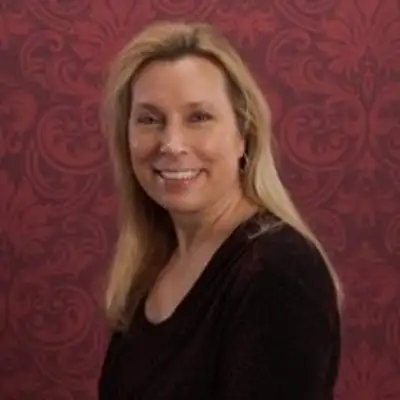
Welcome to this bonus episode of Count Me In. Recorded live at Oracle NetSuite SuiteConnect NYC, I'm excited to bring you a conversation with Sue Vestri, the CFO at Cryo. Sue has a wealth of experience, moving from early days in startups and VC backed companies to leading finance teams at rapidly scaling organizations. Throughout her career, she has seen the CFO role transform from strictly number crunching to becoming a true strategic business partner. In this episode, Sue shares lessons learned from building finance infrastructure from the ground up, how to scale systems thoughtfully, and why a culture of continuous improvement and embracing innovation matters now more than ever, especially when it comes to AI.
Adam Larson:So whether you're in a finance leadership role or just fascinated by the intersection of finance and technology, you'll have plenty of actionable insights from our conversation. So get ready as we dive deep into what it takes to thrive as a modern CFO, staying ahead of change, empowering teams, and ensuring that finance is a driving force across the business. Let's get started. Well, Sue, thank you so much for coming on the podcast. I'm really excited to chat with you.
Adam Larson:And you have I wanted to talk to you as a CFO because it evolves as a company's going through different growth stages, the CFO kind of role evolves. Can we maybe talk a little bit about what that looks like? Because you've you've been in, rapid pace environments. You've been start ups. You've in all these different Yeah.
Adam Larson:Aspects.
Sue Vestri:Yeah. No. It's a great question. And the role is it's sort of different depending on what stage of of company you're in, but it's also different just over time.
Adam Larson:Yeah.
Sue Vestri:I think if you go sort of way back, you know, CFOs and finance people are kind of looked at as the people that sort of sit in the back room and, you know, produce numbers and
Adam Larson:Yeah.
Sue Vestri:And answer questions when they're asked and and so forth. And I've never really been like that, but, it's so so important, now more than ever to really be an operational CFO where you really have your finger on the pulse of the entire business and what's going on and, you know, having those relationships across the company with the other leaders so that you have a sense of of not just producing numbers, but what's behind them and what they're telling you. And so I think that, if you are kind of of that old school mentality, you're probably not gonna last very long in today's world as a CFO. And certainly, you know, some of the earlier stage companies that I had done, you wear many hats. You kinda fill in wherever, doing whatever.
Sue Vestri:So I've had a lot of different things reporting to me. My career kind of started with, you know, more VC backed companies, even a family owned kind of start up. And now I've kind of been in the private equity CFO world, which has has different responsibilities and requirements, but it doesn't change the foundational, you know, aspect of really being part of the entire business holistically.
Adam Larson:Yeah. That's one thing I noticed. You've been a part of start ups. You've been a part of, like, some public companies. So what does that look like, you know, going from, like, even going from, like, venture a VC backed thing to, like, a public company and then going jumping around?
Adam Larson:How was what was that like going to those different
Sue Vestri:Yeah. Well, I'm I'm very thankful to not be running around asking founders if they have any room on their credit cards anymore. It's a long past Can imagine. Yeah. That that happens, you know, in in start ups.
Sue Vestri:And, definitely like working for companies where, you know, there's funding behind it as opposed to you're kind of in always in, you know, capital raising mode because Yeah.
Adam Larson:It's important but also distracting.
Sue Vestri:So as I've kind of evolved through my career past some of those stages, I really enjoy getting involved in companies that are in that sort of, early to middle stage. You know, they're kinda past the the start up. They're kind of past the teenager stage, and they're kind of, you know, getting into fully formed adult companies. Yeah. And I think that's where there's a lot of opportunity to really help them, you know, on their growth growth path.
Adam Larson:So what's what's something you learned at an organization that you had to scale rapidly? How was it like, especially in the finance function, be having to scale very rapidly, very quickly?
Sue Vestri:Yeah. So I think one of the biggest areas actually is in the accounting platform.
Adam Larson:Yeah.
Sue Vestri:One of my previous companies, we actually were told by the software company they were using that we had outgrown them.
Adam Larson:Mhmm.
Sue Vestri:Like, we were literally going to break it. Okay. So so we needed to do something
Adam Larson:Yeah.
Sue Vestri:Which we knew anyway because it was highly highly manual. But doing any kind of a massive, system implementation changes is is challenging and, you know, requires a lot, but that's probably one of the the biggest things that we had to do. And you have to be careful to think ahead to, like, what you need down the road a bit, which is sometimes difficult, as opposed to just making some kind of quick fix. So, while we did have to make a very monumental transition, we did it in a thoughtful way so that we didn't have to do it again anytime soon.
Adam Larson:I can imagine. Yeah. Yeah. What because when you're scaling, it it's not something that you can do easily. Because, like, you could be right here today and then jump up there tomorrow.
Adam Larson:And so how do you prepare for that?
Sue Vestri:Yeah. You really have to be careful to think about, again, like, where are you trying to get are you building a business for scale? And if you're working for a growing business, which has been the case for me for many years now, you know, what might work for you right now isn't necessarily gonna work for you, you know, two years from now or five years from now. Never mind your own growth, but if you start to do any kind of m and a and you're integrating other companies. So really even so just kinda specifically to touch on NetSuite for a minute.
Sue Vestri:So I've implemented NetSuite five times.
Adam Larson:Okay.
Sue Vestri:And this most recent one, I really had to give some thought to how we structured it knowing that there might be, like, acquisitions in our future and things like that. And now also with the the introduction of all of the AI aspects of things across the board, having the capability to to stand up the analytics warehouse, things like that. Again, like, I don't need all of the features and functionalities right this second, but I wanna make sure that when I do need them, that that they're that I have them. So Yeah. Thinking bigger picture, I guess, is a big thing.
Adam Larson:Yeah. Like, I might you might now need all the bells and whistles today.
Sue Vestri:Exactly.
Adam Larson:But in six months, you might need another bell and another whistle, and you can kinda have them on as you grow.
Sue Vestri:Yeah. Exactly. And I'm even running into a situation right now where we didn't bring over all of our historical data from our previous system. And I was like, well, you know, we can go back and we can look at it if we need to. But when you think about AI and analytics and things like that going forward, it's like, ugh.
Sue Vestri:I really need to have that data Sure. Like, someplace where I can I can get to it? And, so kind of thinking about those types of things as well. Yeah.
Adam Larson:You mentioned, being an operational CFO, and you've held operations roles. You've held CFO type roles. What has that that dual perspective given you as you as a leader as you've moved forward?
Sue Vestri:Yeah. I think that you have to understand, well, how how's the company gonna make money? Right?
Announcer:Yeah.
Sue Vestri:So, obviously, it's it's great to understand what you're selling. That's certainly pivotal, and keeping track of that. But so much of what goes into, revenue delivery and margin is the operational aspect of the business. So, you know, how long does it take to get a customer up and running? You know, are there gaps in the product feature set that are preventing people from adopting, or using the product more than they already are?
Sue Vestri:And, we we are really starting to dig into metrics. You know, everybody in in SaaS software companies tracks, you know, ACV, and that's great. But do you actually you know, sales folks will put in their contracts and their ACV values into Salesforce, and then you wonder to yourself, well, do we ever actually get that, you know, actual revenue? And so I work very closely with our operations leader on understanding, like, did we actually deliver that, you know, that revenue, or do we look more or less? What's impacting it?
Sue Vestri:So everything from knowing what the product is doing, what's on the road map, what they're delivering, what the obstacles are for clients, what's the, you know, the sales motion, you know, how are we presenting our products and things like that. So it's just really everything, that helps me to be a better partner, not only to our CEOs, but the investors and the PE firms. So
Adam Larson:So as environments are constantly changing, how do you keep up? Like, what do you what do you do? What does it take to be effective at keeping up with the fast paced environment? Especially, you've been in very fast growing companies, but also in just in any organization nowadays, things are moving very quickly.
Sue Vestri:Yeah. Doesn't hurt to take a day off to come to New York and come to a conference. Yes. It does. But you're you're it's a great question.
Sue Vestri:I think you have to make time for it, I first of very much have a philosophy of continuous improvement. So my my teams anybody that's worked for me will know it's always about we're doing great, whatever, but what can we do next? What can we do to make it better? So I think, you know, change and and knowledge, yeah, kinda comes has come from the top. Like, I have a you know, a belief a, that you should continuously learn and understand what's going on, and empowering people that work for you to also do the same.
Sue Vestri:Creo right now, we are really embracing, a culture of using AI. So, we've created an AI Champions program where there's different people within every department that are kind of spearheading, you know, idea, you know, ideas and working stuff, brainstorming to kinda see what kind of things, we can be doing. I came to Creo, April. We weren't even talking about AI. Mean, it was real I mean, not really.
Sue Vestri:I mean, it was it's it's there. We all use it. Everyone goes into, you know, ChatGPT or Claude and kind of puts answers into get questions in there. But now it's, you know, it's embedded in our, development, you know, workflow. It's embedded in our customer support.
Sue Vestri:It's we're using it for all kinds of things. And, so I'm if my team it might be going to a conference. It might be, you know, leveraging learning materials that are available through, like, through NetSuite or even through any of the AI platforms. So a lot of knowledge right now is self-service. Sure.
Sue Vestri:But I you have to you have to create time and also willingness amongst your team. So I have to it has it starts with me. So, you know, just coming away from this conference today, there's some things where it's like, I'm going back to the office, and we're, like, getting on a call, and I'm gonna show everybody how to use this because this is really cool. You know? So I think you have to stay attuned not only to, you know, what's changing and what's available, but also sort of having a filter because you could also be running around like a squirrel and chasing all these different things.
Sue Vestri:So kind of what's meaningful and prior prioritizing. But, yeah, lots lots of information coming at you.
Adam Larson:Oh, yeah. There's a lot of information. So how do you take that how do you create that culture of learning and help your help your team learn, but also, like, hey. We still need to do our job, but I want you to grow and upscale?
Sue Vestri:Yeah. Exactly. So some of it is a little bit of, just setting some departmental goals. Sure. And we we talked about that recently.
Sue Vestri:The other thing is, you know, allowing people the time to go do it. There's been a few things lately I've come across where even, like, my, you know, my HR director, was like, this this would probably be really interesting for you if you're you know, go. Go to this for the day. We're gonna do some workshops just internally, because there's so there's so much. If if if I just let everybody go go go help yourself, you know?
Sue Vestri:So we're gonna pick some key things, and we're gonna do some, some in house training. And I'm gonna task some people with maybe taking on a project. You know? Nothing crazy, but, putting them in a position where they can utilize, you know, some of these tools and some of these learnings. And and, I think if they see me embracing it and the rest of our leadership embracing it, we're just kind of creating a culture, in that way.
Sue Vestri:And Korea's unique because we have co CEOs, so we have we have two. And, the our one CEO who was the founder is very AI forward, and so he's champion championing it from the top. And, and I think that's how we're kind of a organic, you know, kind of swell of of interest in in learning new things.
Adam Larson:So what's it like building a, like, a finance team from the ground up? Because you've, you know, you've been at the beginning of a lot some organization. What's that like?
Sue Vestri:Yeah. So it's interesting. I've I've inherited teams, and and I've built teams, and I've built and inherited teams. And so I have been, you know, an army of one and and ultimately built, you know, very large teams and some early stage startups. In the case of Creo, there were a few folks that were already there and thankfully had kind of laid a good foundation.
Sue Vestri:But one of the things that I learned in particular about working in a private equity owned company, really important to have a super strong finance, you know, right hand, both from an analytics perspective and just being able to produce the reports that, you know, are needed and the metrics that are needed in private equity. So, I've been fortunate enough to take some people with me, you know, from here and there, but definitely, certainly looking for giving people an opportunity who are there, but they have to have the mindset of of grow of being willing to grow Yeah. Being willing to learn, being willing to cross train other people, and not be like, this is mine. I'm not gonna let go. Mhmm.
Sue Vestri:Giving people opportunity for growth, empowering them. But you have to have the right people in the right seats, for sure. Yeah. But I do like to give and the people that I, that were there when I, got to Creo, they're still there, and I've just added to the team. So it's it's worked out really well there.
Adam Larson:Fantastic. Yeah. So I love talking to CFOs because, you know, you have a a hand on the pulse of what the infrastructure needs for an organization. So what does that look like, especially when you're coming to a company and they're growing rapidly and you have to look at the find the gaps in the infrastructure and, you know, get the right tech stack in place? Because a lot of times, CFOs suddenly become
Sue Vestri:Yeah.
Adam Larson:The IT leader too.
Sue Vestri:That is so true. Yeah. So, you know, oftentimes, especially in a company that's been recently acquired, some of that work has a little bit been done for you in terms of the assessment because there's so much due diligence that goes on. So, you know, your PE partners are happy to share with you all of the the things that they found. You
Adam Larson:know? Course.
Sue Vestri:And and, certainly, you have to prioritize that. But, definitely, you know, you need to look at the people and the team and and the tools for sure. So, we made the decision fairly quickly that we were gonna change our, our ERP platform. In particular for us, being a SaaS company, subscriptions, recurring billing, we are more complicated because, we have a fairly big usage component to our billing, and we service the clinical trial space. So often our contracts are based on the length of a study as opposed to a specific contract length.
Adam Larson:That can get complicated.
Sue Vestri:Very complicated. So finding the right tools, ERP, that can handle that complex billing. And I am a little tied to NetSuite, just because, we piloted Suite Billing for them at one of my prior companies when it first came out, and so I've watched it grow over the years. But subscription billing is not trivial. Yeah.
Sue Vestri:So that was a that was a big thing to get that system up and running, but also evaluating all the other tools that touch accounting, like your payroll system, how you do expense management and credit card management. We have sales tax, things like that. And having a platform that naturally allows you to integrate with those systems pretty seamlessly rather than having these kind of but they are they are bespoke and kind of best in breed for what they do, but I can pull all of that information, into the ERP, into NetSuite, and it allows me to have everything all in one place. So, we've also eliminated some tools, so there's been some cost savings. That just makes everything a lot more efficient because it'll, you know, it eliminates having to do manual journal entries for things and all kinds of stuff.
Sue Vestri:So, foundationally, the the ERP system was certainly a core, and looking at the tools holistically across the board, seeing what we can get rid of, seeing what are the best things to use. And then also really just implementing NetSuite or any ERP, having a good partner Mhmm. To do that, who's, again, got kind of the same mindset about looking forward and and getting the right sort of implementation done and things like that. And then for me, also, just building trust with the rest of the leadership team. I was new for them when I came in, and so, many of them had been there for quite a long time.
Sue Vestri:They went through all the the hard part of getting the company to where it was, and then I show up like the first CFO. And, you know, you don't know how people are gonna react to that. So taking the time to get to know them, earn the trust, earn the business, earn the business, learn the business Yeah. Really important.
Adam Larson:Were there, like, early warning signs or signs that you could say, hey, guys. This is happening. We need to change. We need to upgrade.
Sue Vestri:Yeah. Like, again, it was pretty clear with the when when I watched what the month end close process was Well, in so it took them about three weeks, and I was like, that's not gonna work, for any private equity firm. And so, you know, their the team, their first reaction was, like, you know, in a way, like, well, that's how long it takes. And I'm like, no. We can't take that long.
Sue Vestri:You know? So when I think back, you know, a year and a half or so how far the team's come, but, yes, shortening that time to close, quality of of data and information, those are big, big changes, for the company for sure. Yeah.
Adam Larson:So SaaS is a different type of model, especially when it comes to the accounting side of things. What was it like moving from, like, your traditional accounting to, like, a SaaS, a SaaS model or a a company that has a SaaS model and doing those accounting differently?
Sue Vestri:Yep. So I go back quite a long way with recurring revenue. It was before it was called SaaS, in a an Internet company way back when where it was still monthly billing. Right? You're you're billing every month.
Sue Vestri:So it was one of the first kinds of recurring revenue businesses. And, really, ever since then, it's just evolved into now what SaaS is and and cloud So I made the the move from a really big company, humongous accounting department. I I I pivoted to a software company that was, you know, doing SaaS software. It was petrifying. I was like, what am I doing?
Sue Vestri:I'm going to this company with, like, a 100 people. And I just got sucked in because, know, the tools that are available in SaaS. But generally speaking, a business perspective, I've been doing it for a really long time. Clinical trials threw me for a loop, though
Adam Larson:Yeah.
Sue Vestri:Because it's very difficult. I don't have a crystal ball, so I don't know when, you know, particularly they they they estimate and they guess and things like that. So it it has its challenges, but I have a had a great foundation just from that recurring revenue billing model. And, software ERPs have come a long way from take your last month's invoice, clone it, and and post it. You know, that was kind of the old way of doing recurring billing.
Sue Vestri:Yeah. So very happy that over the years, you know, systems have evolved. Mhmm. But, yeah, it's definitely a different, different accounting model, and, you know, you have to contend with things like deferred revenue and, timing of rev there's lots of lots of good account gap accounting rules you have to consider. And, but I've learned a lot over time and kinda, it's really where my sweet spot is is.
Adam Larson:So Yeah.
Sue Vestri:I guess I'm lucky.
Adam Larson:Yeah. It sounds like you've been doing it for a long time. You've kinda seen it evolve over time. So when you're looking at some of those metrics, you know, as a finance leader, you know, how do you prioritize, like, you know, forward looking decisions? Or
Sue Vestri:Yeah. So it's actually something that we're really focused on right now because everyone and most systems now can give you basic ARR and churn and net recurring revenue and things like that. So I think from a business perspective, where we're starting to dig in is, for example, on, you know, ACV realization, but also things like, you know, once a deal is closed, you know, how long is it until we see first revenue? Is there anything we can do to shorten that cycle?
Adam Larson:Yeah.
Sue Vestri:What what are the what are the blockers for it? And, you know, really starting to look at some predictive again because we have this usage based component. It's easy to predict your recurring revenue when it's fixed. Long as your customers aren't churning, you have a good idea of what that's gonna be. Usage based revenue is a lot more difficult, so we're trying to, look look at ways to to see how we can get a lens into what our our variable revenue is gonna be.
Sue Vestri:And so for us, in particular, it's based on, visits into a clinical site. Our operations leader is helping me to look at, visits scheduled. So how does that translate into, you know, people actually showing up in that visit counting as revenue? So I would say it's that next level down metrics, which really are where you start to dig into the operations of the business, and it gives you, clues into some things that maybe you can optimize. And in fact, we're using AI quite heavily, in the early stage process of getting a company up and running in our system because it was a highly manual process previously.
Sue Vestri:And so we're measuring right now, like, this this new AI tool is helping us. How much is it helping us? And that's gonna have a direct impact on on revenue. So we're doing a lot of things right now to look at ROI, lots of initiatives, lots of AI stuff. Yeah.
Sue Vestri:How much of it do you wanna spend time on? And is it gonna increase your revenue, you know, get your product to market faster, you know, get those customers up and running more quickly? So that kind of next level KPIs.
Adam Larson:Yeah. It's really interesting because when you think about it, like, lot times you look at the historical to know what you're gonna do in the
Announcer:Yeah.
Adam Larson:Future. But with the model you were describing, you can't always look at what you were doing in the past. So how do you find that balance?
Sue Vestri:Yeah. Well, it's really interesting, and we're still learning.
Adam Larson:Yeah.
Sue Vestri:And, of course, now we have a lot more access to data, a lot more ways to look at things. And are there, is there seasonality? You know? We've thought for sure, you know, it's December, people aren't going to the clinical sites for clinical research. No.
Sue Vestri:That's not the case at all. That's one of the things we learn by looking at scheduled visits. So it it we're we're learning all the time. I mean, the company's been around for for ten years. It's it's still you know, we learn things new things every day.
Adam Larson:So what do you look for when you're hiring new team members, especially with knowing that we have AI coming, we have, you know, all these different things happening? What do you look for when you're looking to hire
Sue Vestri:new people? It's really interesting because a former employee of mine just reached out to me, and I he worked for me for a very long time. And due to some health issues, he's not been working for a couple years. So he's getting back into the job market, and he said to me, like, I'm just, like, nervous. I don't know what to do.
Sue Vestri:And I said, you need to go and take, like, a Coursera course, the chat GPT, whatever, you know, just to be able to speak to to AI because, it is it is it's going to the Internet was like this. Right? Everyone was like, oh, you know, the Internet and searching on the web and all that stuff. I think that AI is gonna become just a part of everyday work, everyday life, so I think that people have to kind of embrace that. I'm absolutely like, in in accounting and finance, you have to have some foundational skills.
Sue Vestri:Right? I don't think that you have to necessarily know the industry that we're in. I didn't know anything about clinical trials when I first went to work for a clinical trial clinical software company. I learned it. So I think it's more about work ethic and, what their kind of background brings to the to the table, willingness to learn, again, that kind of continuous learning.
Sue Vestri:I'm seeing a a little bit of maybe some resistance, and I kinda get I get that. Yeah. If, you know, people are like, ugh. But it's like we're just this is comfortable. I'm used to doing it this way.
Sue Vestri:And so getting having people that are willing to, like, trust me
Adam Larson:Sure.
Sue Vestri:And and embrace kind of, like, you know, improving and sort of next high next level things. Right? So, you always need those people that are kinda good at just, you know, doing doing the the rote tasks, but I'm I'm definitely looking for people that want want a little more.
Adam Larson:Yeah. I was gonna ask you, like, as you're as you're going through this transition, especially this AI boom, like, how do you kinda develop your team through that transition? Because it's it's it's uncomfortable.
Sue Vestri:It is, and I you know, and I'm learning it. Yeah. So the the one good thing is that our company is is embracing it, and we're starting to do some things, to empower people. And we've everybody a license to, to Claude so that they can start to explore that. We have some AI champions within the company that are are kinda like the the go tos for that.
Sue Vestri:But more specifically, even for finance, through some of the things that I've learned, just what we can do, through AI and through some of the tools even in NetSuite, we're gonna do some training, and we can leverage our partners for that. We can do some in house stuff. You have to make the time for it, I guess, is the big thing. Everybody's got their day job. We're never gonna be doing it during the first week of the But but, I think it's gonna have to be a little bit of collaboration.
Sue Vestri:And so, I'm gonna show them some things, and I have a, an employee that is working with me. She's kind of works with me and our operations department. She's very she's very much a champion of AI and and financially minded, so I'm gonna leverage her to kind of, help us brainstorm and teach and things like that. But I have to provide I think we need to provide opportunities for people to learn. Yeah.
Sue Vestri:Otherwise, they're not gonna.
Adam Larson:So you have to kinda create that growth mindset because it's really easy to get kinda get stuck in your ways.
Sue Vestri:Yeah. Yeah. And and that kind of, I think that organic energy within the company from other people doing things, and I think by me and our CEOs embracing it and kinda leading by examples, we just had a company meeting this week, and two employees just presented on something that they built in ChatGPT. It was cool because it was really neat what they did. It it helped more than just them, and it also gave them exposure to stand up in front of the company and say, hey.
Sue Vestri:I I did this, and that's really cool. And I think that's pretty powerful with your peers, you know, to kinda not be afraid of it. You know, a lot of people are afraid of it. They don't you know? Yeah.
Sue Vestri:We've had some rumblings, you know, was my job was something gonna happen to my job? And, you know, we we're we're trying to say it's not to replace anybody. It's to enhance what what you're doing. And from a business perspective, certainly, it's not lost on me that if people are more efficient and can do more, that maybe we won't have to hire as many people. That's really good for bottom line and gross margin, but it doesn't change the fact that we're not you know, no one's role roles are at risk because we're, you know, introducing this.
Adam Larson:It's a tool in your tool kit as
Sue Vestri:opposed to
Adam Larson:something you're you're using to do your job.
Sue Vestri:A 100%. Yep. Yeah. Yeah.
Adam Larson:So I like to ask, you know, you've you've had a a wonderful career. You've been, you know, you've been in different so many different companies. So if you somebody listening to this conversation, they're a few years into their career and they wanna kinda make that they wanna make that move into leadership, get the CFO, you know, what what advice would you give them? What skills should they be developing right now?
Sue Vestri:Yeah. I think that it really for me, personally, and I think this kinda goes for anyone. You know, I started at a big company. It's a great way to learn kind of this is what the you know, when you have everything at your disposal, kind of this is what it looks like. But having hopefully, you have, you know, you're working for someone that, is is empowering you, letting you do new things, that was a big part of my journey.
Sue Vestri:I had one of my early on bosses. I I kinda went I got to a point in the company where I really kinda got stuck, and he recognized that. And he said, you know, if you want if you wanna grow, you have to go. Like, you have to go take that. So it was, like, my first accounting manager job.
Sue Vestri:So I think it's, you know, don't be afraid to push yourself. You know you're able to do more than you think you are. And with all the tools available to you now, if you don't know the answer, you can probably figure it out pretty easily. You know, there's so much remote work. We're a fully remote company.
Sue Vestri:You have to find ways to to to make yourself known to the company. I mean, you can't just be kinda sitting in sitting back in the corner. Having a network, you know, mentors, people that you can go to, get advice from. My CFO group, which I belong to, is I still I leverage it all the time. You know, leadership types of things.
Sue Vestri:I mean, there's all kinds of, you know, resources that you can do, whether it's books or, you know, seminars or things like that on leadership. But a lot of it has to do with demonstrating your ambition, your willingness to to take on things, hopefully working for somebody that is, you know, willing to empower you and give you opportunities because that's how I got here. Somebody was very confidently saying to me, you know, you you you can do this. You're you you you're good at this. You know what you're doing and believing that, and, not being afraid to take chances.
Sue Vestri:So when I pivoted to that first software company, I was like, oh my god. What am I doing? You know? So, you know, don't put yourself at risk, but but push yourself and, and find ways to stand out and continuous learning, you know, always upping your skills is definitely a big part of it.
Adam Larson:Awesome. Sue, thank you so much for coming on the podcast Yes. For chatting with us today here in New York City.
Sue Vestri:Yeah. Great. Thank you so much.
Announcer:This has been Count Me In, IMA's podcast providing you with the latest perspectives of thought leaders from the accounting and finance profession. If you like what you heard and you'd like to be counted in for more relevant accounting and finance education, visit IMA's website at www.imanet.org.