Bonus | Count Me in at IMA26: Featuring Rachel Kourakos
Hey, welcome to Count Me In. This year at IMA26, I had the privilege of recording live on the podcast stage in Tampa, Florida. Throughout the conference, I sat down with a lineup of presenters who took time out of their schedules to share their passion and expertise in a range of topics. So I'm excited to bring you these special Count Me In episodes featuring some of the brightest voices from IMA26. So without further ado, let's get started.
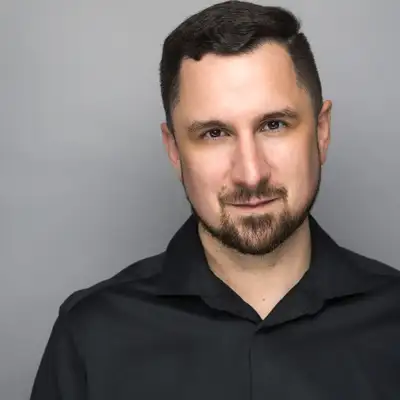
Adam Larson:Rachel, thank you so much for joining us here on Count Me In here live at IMA26. I'm really excited to have you on because you talk a lot about the intersection of how people relate to themselves. And so for somebody who hasn't met you, what kind of brought you to that of how people relate to themselves? Because it's not something you normally hear people talking about.
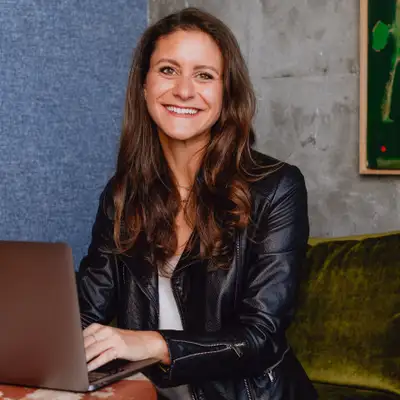
Rachel Kourakos:Yeah, so by way of background, I started my career in investment banking, worked at Morgan Stanley both in New York and in London Mhmm. And then transitioned to be in strategy at Google. While I was at Google, I uncovered a coaching program and decided to go through it. I thought I'd make me a better leader, a better better person. Maybe I'd wanna do something with it.
Rachel Kourakos:And then went through a nine month coach training program and then started my business where I focus on transition and leadership coaching.
Adam Larson:Okay.
Rachel Kourakos:So I work with executive teams, founders, boards, managerial teams on all things leadership.
Adam Larson:And Yeah.
Rachel Kourakos:When I first started out, it was more conventional leadership coaching where it was, you know, the different tactics and tools and frameworks to be able to lead more effectively. That focused on communication, and that focused on, you know, strategic thinking and how all the different hot leadership topics. But what I learned as I actually dove in with teams and with people and with different organizations that there was, like, this deeper layer that most leadership coaches weren't addressing. You know, you can learn all the tactics, all the tools, all the ways to lead, but if you don't have a deep understanding of yourself and how you relate to yourself and how you relate to other people, that stuff is just stuff. That's very surface level.
Adam Larson:Okay.
Rachel Kourakos:And so it kinda came about organically where the nature of the conversations that I was having with people, it just it it went deeper, and that was both in one to one discussions and also in group settings. And then I sort of just said, hold on. There's more here. And if we can position our development as leaders going a few layers deeper beyond that, like, first, you know, what you can read in a book, but really that deeper self reflection, that's where the real meat is on how you, one, activate people, and two, help teams come together and work together more effectively. So it really it came about organically, and then I got interested in it, then you realized
Adam Larson:Of course.
Rachel Kourakos:People have an are an endless well of information and and self expression and self experience. And if you can bring that forward in these professional contexts, that's how you really will shift how people lead and engage with their teams.
Adam Larson:So what's it like when you walk into an organization and you're like, Hey, here's this new thing of thinking about things. And a lot of times people are set in their ways. They don't really wanna think about things differently. They're like, why are you challenging me so much? I still have to get my job every day.
Adam Larson:What is that like when you're going in there?
Rachel Kourakos:Oh, God. It's such a good question. Well, there's a few phases of it. I think initially when I'm talking to different leaders who are interested in working together or figuring out how I can support them. A lot of the conversations start with them saying, hey, we need this, this, this.
Adam Larson:Yeah.
Rachel Kourakos:And in my experience in working with people for the last many years, I recognize I have this deep, humble understanding that usually there's something different that they actually need. They're just not necessarily cognizant of it. So initially when I'm talking to the people who are engaging with me, it's about helping them really dive deeper into what are the actual challenges and what is the ripple effect of that from a human level.
Adam Larson:Yeah.
Rachel Kourakos:And helping them see that there's more here. And now most leaders, especially if they're set in their ways, are kind of like, is that on the emotional side of things? This is a professional business and we have to, we don't go there with people. But I think more and more leaders, people, employees are demanding access to the more human experience within their professional setting.
Adam Larson:Yeah.
Rachel Kourakos:Whether that's in the culture, in activities, in the connections that they build, it's important. And we need people to start recognizing the humanness behind leadership, not just getting the job done and earning a profit. Granted, we gotta get the job Exactly. Done a No shame on that. But the best way to do that is to have really great people who wanna work really hard.
Adam Larson:True.
Rachel Kourakos:And so when I get in front of a group of leaders, so once we're kind of past that initial discussion, for me, it's really about a reminder to kind of bring them home to themselves of like, why are they doing this? And what does it feel like to show up as them day to day? And how does it feel to work with their colleagues and peers? And really taking that step to humanize us. And I know I'm using that word a lot, but, like Of course.
Rachel Kourakos:It's so important. And we forget when we're stressed and working on intense things and have a lot going on. We get so caught up in getting the job done that we miss why we're actually here in our finite time on earth.
Adam Larson:Exactly.
Rachel Kourakos:And so it does become a bit more existential and deeper because to me, that's what's important. If you can work with people there, that's like when the good stuff happens.
Adam Larson:Yeah, that sounds like it. Yeah. Well, talking about the humanness of things, we all have emotions and we forget that professionals can have emotions too. And so how do you help people balance like, hey, it's okay to have emotions. It's okay to feel what you're feeling and it's okay to be professional too.
Adam Larson:And like, and you can be professional and have those emotions behind it.
Rachel Kourakos:Yeah. So I have two thoughts on that. Emotions are data. The emotional reactions that we have.
Adam Larson:Yeah.
Rachel Kourakos:They are what are the signals or the flags that we're having an experience. Yeah. The difference between being really emotional at work versus leveraging your emotions comes from that awareness of, am I the emotion itself or am I aware that I'm having an emotional reaction?
Adam Larson:And
Rachel Kourakos:the former, if you just are the emotion, that's where emotions get a bad rep in a professional setting. That's when people are saying, This person's just very dysregulated in our conversations, and it's really hard to engage and have a professional conversation. That's where our emotions are getting the better of us. But if you can be someone who has the emotional reaction, takes the steps to understand what's actually going on and has that self awareness, and I know we've talked in the past.
Adam Larson:Yes, have. About self
Rachel Kourakos:awareness, right? If you have that self awareness, you can recognize that those emotions are signals that something's going on, whether that's in you, in the interaction, in the other person. And to use that reaction as a sign for you to take either take a beat or get in touch with our instincts and our intuition so that you can be more effective and stronger in what you're doing next or how you communicate or how you engage with the situation. There's a huge difference between emotional dysregulation and an emotional response. It's okay to be passionate and emotional and upset and and frustrated, but you can't do that if you're not in control of those feelings.
Rachel Kourakos:Equally, on the other side, we need teams and organizations to be aware and create safety on how to have emotional interactions that don't mean, God, I'm crumbling now because they got a little bit angry at me.
Adam Larson:Yeah, yeah.
Rachel Kourakos:And so, but that only happens if that person's also not aware. And that's why there's such a ripple effect here.
Adam Larson:Such a ripple effect.
Rachel Kourakos:It's a two way thing.
Adam Larson:It is a two way thing because you might be having a bad day and the person you're talking to might be having a bad day and then suddenly you all clash and you forget to say, hey, have I eaten today? Have I like taken a moment to reflect that? Hey, it's been a rough week and that's okay. Completely.
Rachel Kourakos:And having the vocabulary to say, Hey, I've actually, I'm coming from a really intense meeting. Yeah. Either I need a minute. Can I just like regroup and collect myself? Or just heads up, I'm on edge right now.
Rachel Kourakos:And then the person says, Oh, okay, I'm now navigating with someone who is a bit stressed out. Let me figure out how I communicate or what I say or how I interact. That will not layer onto that. Sort of like if you think about when you were a kid or like a teenager.
Adam Larson:Yeah.
Rachel Kourakos:And you were trying to, like, you know, go to your friend, stay out later than your curfew.
Adam Larson:Yeah, of course.
Rachel Kourakos:And you know, you go to your dad and you're like, Hey dad, how are you doing? He's, Oh God, I've had a really hard day at work, whatever. You're not gonna ask in that moment. You're not gonna be like, Hey dad, can I stay out late? Like, you're gonna wait until,
Adam Larson:you know, he's just gone
Rachel Kourakos:to the gym. He's just like, not in a bad mood and ask for what you need. Exactly. Now that's like an example in a parent child relationship, but it's emblematic of like the human interaction interaction that we always have, where someone's starting point, their point of reference, is gonna be how they receive everything that you're saying.
Adam Larson:Yeah.
Rachel Kourakos:And that's why my focus has really gone into interpersonal dynamics, because it's how you understand yourself, how do you understand other people, And how does that inform how you lead or communicate and that vocabulary? Like what's so cool about the work I've done with with teams, the more you're talking about it, the less it's like a thing to say, hey, I'm having a really tough day.
Adam Larson:It's it's hard to say that, especially in certain settings because people get nervous. They're like, is it gonna make everybody uncomfortable? Oh, they're having a bad day. I can't talk to them. You know, it's how do you say it without making it awkward, making it weird?
Rachel Kourakos:Totally. Well, part of you naming it is the first step of emotional regulation, right? That awareness for yourself and for the other person. You're giving permission for yourself to be like, this is where I am right now. And you're giving the other person opportunity to say, you know what?
Rachel Kourakos:I'm gonna talk to you in two hours. Go, go, go, go do your thing. Which is fine. Yeah. It's not, it doesn't mean they're saying something bad.
Rachel Kourakos:It just means you're signaling. Hey, I'm not as receptive to what you're about to say, or I can't think as clearly because I'm really upset with what just happened or stressed about what's or I have to get something done the next two hours and I'm not here to like brainstorm
Adam Larson:exactly stuff. And it's like, is it is this really a fire that we have to talk about right now? Can it wait? And being able to say that is is huge.
Rachel Kourakos:Exactly. I remember when I was, working, at Google and I was I was hiring a team there.
Adam Larson:Yeah.
Rachel Kourakos:And I was bringing in new people and we were onboarding a bunch of people at the same time. And I had to give them the vocabulary. I said, hey, I need you to make the distinction between because I started the team,
Adam Larson:I was the
Rachel Kourakos:first person. So it was, know, a lot of people and me trying to onboard everyone. And I said to them, I would love for you to make a distinction when you have a question for me. Said, I'm always here for your questions.
Adam Larson:Mhmm.
Rachel Kourakos:But I need you to triage. I need to answer this question in order to get this job done in the timeline we agreed.
Adam Larson:Yeah.
Rachel Kourakos:Or I have a question, but I don't need it right now. Let me block time with Rachel for an hour at the end of the week and bang through a bunch of questions. Mhmm. And that distinction for them made them, one, smarter on how they were thinking about their time Mhmm. As well as how they were using my time.
Rachel Kourakos:Yeah. But it allowed us also to say, I really need this now versus I actually don't need this right now. So they'd come to me and say, Hey, I have a question. I'm like, Is it a now question? They'd like, Yep, now question.
Adam Larson:I like that.
Rachel Kourakos:Great, no problem. Put my stuff on. How can I
Adam Larson:help? When I had a leader once who was like, Okay, when you come into my office, you say, Do you have a minute? Is it really gonna take a minute? Is it a minute thing? Or is it like, hey, we need to set a meeting thing?
Rachel Kourakos:Exactly.
Adam Larson:And ask yourself that question before you come in. I'm not saying you can't come in and ask me questions, but if it's gonna be more than a minute thing, I might be in the middle of something. Be aware of that and be cognizant of my time too.
Rachel Kourakos:Absolutely. And so take that concept with the emotional side of it. Yeah. How open are you feeling right now? Are you in the mood for a brainstorm conversation right
Adam Larson:now? Yeah.
Rachel Kourakos:What, you know, like, you can ask people and you can get a read on them. But some of it is that attunement to yourself and to the other person. Then it's that awareness of not everyone's ready to just dive into what you're about to talk about and your stress isn't my stress. And therefore we need to be aware of how we're interacting and working with people so that we don't distract everyone or we don't become less effective at achieving our goals because we caught someone in the wrong moment and didn't appreciate where they were.
Adam Larson:Exactly. I've had to learn to say, Okay, can I finish my sentence? Then you'll have my full attention.
Rachel Kourakos:Absolutely. Absolutely. Well, like five kids, right?
Adam Larson:Have five Yes.
Rachel Kourakos:So you must be a master at this. It's just you have to say, Hey, just give me one second. Let me finish what I was typing. They get
Adam Larson:my full attention and that's hard to do because it's sometimes they're they're rarely kids have very intense emotions
Rachel Kourakos:totally
Adam Larson:and they have trouble regulating them
Rachel Kourakos:well and hey, not to be patronized and be like, we're all just grown up kids.
Adam Larson:We are all just grown
Rachel Kourakos:We just are kids who are supposed to be more adults in
Adam Larson:it. Exactly.
Rachel Kourakos:And that's where that self awareness, that emotional regulation, that ability to both be the participant and an observer of yourself at the same time.
Adam Larson:Yeah. So as we're having this conversation about human connection, we can't not talk about AI. As we get into this part of the conversation, what does that look like as we're looking at human connection in the age of AI? Because we're getting these things you go to reply in Google, you know, Gmail will say, Hey, have you tried this response? And instead of thinking through what you wanna respond, you say, Oh yeah, sure.
Adam Larson:That's good enough. And is it good enough? And what is that doing to human connection? Yeah.
Rachel Kourakos:Yeah. God. Oh, this is its own topic within itself.
Adam Larson:Yes, it is.
Rachel Kourakos:A few things. The first is, I think with AI coming in Mhmm. And I'm a big fan of AI. I think it's incredible what it's doing. Great I had friends, family, coworkers, like people where you see what they're doing, it's incredible.
Rachel Kourakos:It's also pushing on a greater need for in person connection points. Yeah. Because what happens is exactly like you said, we miss adding the human element into our responses and dynamics. Now, not every email, not everything needs to be human. Like coordinating, couple things here, there.
Rachel Kourakos:Yeah, absolutely. I'm here for it. But I think what it's gonna hurt is we're gonna misconstrue our ability to interact with AI with, oh, we're validated and clear in what we need and what we want.
Adam Larson:Yeah.
Rachel Kourakos:And it's not that the content won't be validated and clear because that's what's it's amazing. You can have full conversations with, great. I understand what I think about this now. But there is nothing that will replace the energetic and exchange of human interaction.
Adam Larson:Yeah.
Rachel Kourakos:And I think that it's so important to recognize that because we can't fall into this fallacy that, oh, you know, we will just use AI as our coworkers completely and then be fine. We can use it as our coworkers, but we need to have opportunities to come together as people, as communities, because we're gonna increase our loneliness.
Adam Larson:Yeah.
Rachel Kourakos:Decrease our cognitive function, and then also lose sight of the beauty of, I don't know what you're about to say next. And that's what I mean by energetic exchange. I like something exciting and interesting and human about that. And I think we will lose that in the age of AI. And that's especially true when we're thinking about building cultures of a team, working on our leadership as a team.
Rachel Kourakos:Know, like, we don't need leadership coaching on AI, right? Like you don't need to learn how to lead the robots. You need the skills to work with it.
Adam Larson:Yes.
Rachel Kourakos:But leadership is not, like that is not leadership. And so how do you work with people who are engaging with robots while also keeping them engaged in their
Adam Larson:That's interesting. Yeah. Cause I was talking to a leader recently who was saying he sees, the finance and accounting team changing to eventually sometimes that there will be people who manage the agents. And I'm like, what is that going to look like from a team perspective is like, oh, and so, they manage all the robots. You're like, wait, what about the human side of things?
Rachel Kourakos:Well, it made me think I was reflecting a little bit on it. And I think back to like my early days as an analyst in investment banking, where like part of my job was just inputting data. Like it was just, know, but before you could read everything, like I was going through all of like the documents and being like, what's the EBITDA and what's the this and manually inputting. It's like crazy when you think back about that.
Adam Larson:Yeah.
Rachel Kourakos:That time, which wasn't that long ago,
Adam Larson:by way. No, it wasn't.
Rachel Kourakos:And it was manual data input. And the way that I think about it is on one side, it's gonna make people who are more senior and more experienced. They'll be able to still have that, like, leadership managerial mentality through it and be able to work with the agents and be both inputting data, also managing how they need to think.
Adam Larson:Yeah.
Rachel Kourakos:But everyone rising up to that, I'm talking the first ten years of people's careers, they're gonna be like data input almost. Like they're not, they're gonna have to be working with these robots just, and by the way, I'm sorry, I'm not talking about just data. I'm talking about the emotional experience
Adam Larson:of Okay, yep.
Rachel Kourakos:Sorry, that's an important distinction
Adam Larson:to make. Yes.
Rachel Kourakos:It's the emotional experience of what does it feel like to put in data. The emotional experience of working with one of the agents, that is the same as inputting data into a spreadsheet. You're sort of sitting there talking, input, da da da da catheter, okay. And you're thinking, you're working on stuff, but it's completely alone.
Adam Larson:Completely alone.
Rachel Kourakos:It's completely alone.
Adam Larson:You can't have a water cooler talk with a robot.
Rachel Kourakos:Right.
Adam Larson:Or the agent I says, mean, could, but some people really
Rachel Kourakos:fulfill the part of you that is seeking that human connection.
Adam Larson:Yeah.
Rachel Kourakos:Because then you close your laptop and there's no one around you. As we're getting more and more used agents, as we're integrating their workforce, we need to figure out how to create that human connection. Yeah. And whether that's at work or outside of work, I don't know. And I don't know what the right answer is for that, but no one wants to show up and be inputting data with a robot all day.
Rachel Kourakos:No. That sounds no fun.
Adam Larson:Doesn't.
Rachel Kourakos:Right? And so we go to work because we like to have conversations like this. We like to engage with people. We hear about, you know, how people are thinking about the world and their ideas.
Adam Larson:Mhmm.
Rachel Kourakos:Otherwise, it becomes a clock in, you know, nine to five talk to a computer screen and
Adam Larson:Yeah. It kind of makes me think of that TV show severance. Whole concept of where, like, you, you, your blame gets split, where you have your work personality and your, home personality and like, they would be crying devastating and then coincide and everything's fine. And it's funny because I think that show kind of puts on the human side of where there are people who are crying in their car and then they walk into an office like everything's fine. And how do we help?
Adam Larson:Because like you can't obviously get in a profession. You can't really say, Hey, you should go get some therapy. I think that'd good for you. It would probably be an HR nightmare. But how do we help people, encourage people to become more emotionally intelligent, to tap into their emotions and so they become better versions of themselves so they can be better versions at work too.
Rachel Kourakos:Yeah, Few ways. One, you create a culture in your organization that allows you to have the vocabulary and the normal dynamic of engaging and talking about emotions. Yeah. So that can come through either trainings at work where you're learning different ideas or frameworks that give you the emotional vocabulary and language to be able to communicate and express yourself.
Adam Larson:Yeah.
Rachel Kourakos:The other is having leaders and people who lead with that, where they say, hey, guys. Like, welcome to our team or weekly team meeting. Just wanna let everyone know I've had a really tough day, so I might be a little bit more lower energy.
Adam Larson:Mhmm.
Rachel Kourakos:Or, you know, you have leaders who are helping people do that.
Adam Larson:Yeah.
Rachel Kourakos:I think the other piece is is recognizing that most people are doing this outside of work. Right? They're having more, hopefully, more emotional conversations. And so really reflecting on how can you be fearless in bringing that into the workplace? How can you find it doesn't have to be everyone because not everyone's open to it, but, like, find a couple people where you can talk more openly about what you're experiencing, what you're feeling.
Rachel Kourakos:I'll tell you. I work with executive teams. I remember, like, I can't tell you the number of people. They're not even crying in their car. They'll cry in a coaching session because they're just like, I haven't had an emotional release valve in months, and I'm just holding it together for me and my team, and it's exhausting and tiring.
Adam Larson:Yeah.
Rachel Kourakos:And that's at the senior level. Imagine how everyone else who isn't necessarily in the decision making seat is feeling about it.
Adam Larson:Yeah. Yeah. That's interesting. It's like that emotional release and be giving people the freedom to say, hey. It's okay to have an emotional release.
Adam Larson:Find a way, find an outlet to get that Because I feel like in the age of everything moving so fast and we feel all this pressure, we don't realize that you need to take a moment for yourself.
Rachel Kourakos:Well, and that's a huge thing. I'm not a neuroscience, but they've been doing a ton of research right now on how our interaction with AI, like all that, it's going so quickly that our brains are actually not built to handle the speed at which things are changing.
Adam Larson:Oh,
Rachel Kourakos:wow. And so it's actually creating a lot of emotional distress in the part of us that navigates and reconciles change. Because, you know, when you think of the change curve that people go on, an emotional curve, right? It's, there's something new, what's changing, am I losing something, there's a fear of loss that comes with it, okay, I maybe lost something, I gained something, right? They go through that, and then eventually get to a point where they're like, okay.
Rachel Kourakos:This change is safe and okay now. But we're doing that at warp speed right now, and so it's it's emotionally exhausting, and it's an undercurrent that people aren't talking about that much where, you know, I have I have clients who work at large tech companies who are running all the AI stuff, they're like, we're being asked to use all this stuff, and, like, I don't even know what we're working towards anymore. Like, we're just, like, integrated in, integrated in, figure it out. And that makes it really hard for a person to have connection with their purpose, their vision, their mission. Like, the stuff that makes people feel good at work, it's a bit discombobulated.
Rachel Kourakos:And it's no one's fault. We just need to have the spaces and the outlets to understand, like, this is hard, and this is weird, and this is different than what any of us have been asked to lead through. And by the way, the range of the workforces, when you think of, you know, the millennials who are in leadership positions and Gen Z coming in and, you know, even further down, you know, postwar generation of leadership to Gen Z coming in. Yeah. It's a really different emotional attunement and awareness.
Rachel Kourakos:And we're being asking these people to lead these people, that's really hard.
Adam Larson:That is really hard. As we think about that space that people need to process things, you know, as you look around the conference, when people are walking, they're like staring at their phones. And sometimes you see conversations happening, which is great. But a lot of times people were looking at their phone, and I feel like that that speed that you're talking about, we don't allow that space to process. You know, when somebody goes through something like a loss of a loved one, you know, most companies, I'll give you two days to bereavement.
Adam Larson:I'm like, do you realize that that's not enough time to process that? And everybody go up processes grief differently and that's a whole another conversation. Yeah. But like that space of processing, I think is something we should really talk about because as we're, if you're constantly connected, constantly on your phone, constantly looking at things, constantly getting update, constantly going through that cycle that you talked about, you never allow the space to breathe Yeah. And how do we, like, what do we do with that?
Rachel Kourakos:Well, it's so important. And there's the cognitive answer, which is our brains are not getting blank space. Like that time that you look out the window in the car and just watch the world go by and question and wonder and think and get that space for yourself. That's because we have our phones, have so much access to information that we're now being pulled into different things. You can always check your email, you can always check social media, you can always text someone back because we are all building up all these things.
Rachel Kourakos:There's the cognitive side of it where our brains are literally not getting a break to decompress and to process things. And that's a huge thing in the distraction world, and it's really hard. The part that I'm, of course, gonna go with is the emotional processing, where what's happening now is we're having emotional experiences, and then we're able to take that discomfort that we feel and pull out our phone and go through something else. Yep. So there's two things that happen there.
Rachel Kourakos:One is that we don't actually process what just happened, which is really hard because what happens is think of stress as something that like it builds up in your system unless that's a release valve, right? Unless you work out, talk it out, you know, think about it, process it. Everyone releases in a different way.
Adam Larson:Yep.
Rachel Kourakos:But we have to release that stress. Otherwise it just builds up in our system.
Adam Larson:It does.
Rachel Kourakos:And what's happening now is we're distracting ourselves. It's like, that was uncomfortable. Okay. Let me just, like, dive into this next thing. And you can, because there's something available to do that.
Rachel Kourakos:You don't have to just sit and be like, that was really uncomfortable. I really didn't like that. What do I do now? And really reflect on it.
Adam Larson:Yeah.
Rachel Kourakos:The second thing that's happening is because we always have access to something new, not only are we not processing it, but we're not addressing it in the ways that it probably can and should be addressed.
Adam Larson:Okay.
Rachel Kourakos:We're not having that human interaction where you feel mutually uncomfortable. I I can't even tell you how many people I know where the second they feel a little emotionally uncomfortable, and I've seen this, by the way, when I'm facilitating with leadership teams. Yeah. When there's something uncomfortable, someone will check their phone. I understand.
Rachel Kourakos:Or we'll go right on break. They'll they'll grab their phone right away. Mhmm. Granted, we need to check our phones. Of course.
Rachel Kourakos:There's a reason we're we're in touch. But to me, it's an emotional crutch. Mhmm. And it means that we're not giving space to actually have the interaction that probably needs to be had. And I'm not talking confrontation.
Rachel Kourakos:I'm talking you holding that interaction and saying, I think that think I just made that person upset, and thinking about that for a second. Yeah. Because we just don't have that blank space. Or and then to the point earlier, if we're not actually creating tactical space to think, we're not replaying things in our minds. We're not letting our mind connect the dots as much as it could
Adam Larson:Yeah.
Rachel Kourakos:Because our dots are always taking new input in.
Adam Larson:Interesting. I was talking to somebody recently where they were saying, we need to bring back wanderlust, where you just have that moment to just process. Because I feel like there's times where I should have just been just looking out the window and contemplating things, but instead I grab my phone and start just scrolling through Instagram. Nothing important, nothing really interesting, just scrolling for date. And next thing you know, an hour has passed.
Rachel Kourakos:And I'm like, was supposed to be doing this,
Adam Larson:supposed to be doing that. And we kind of, and that is, there is some, like, I know, I'm sure a neuroscientist could talk about the dopamine that that brings and all that stuff, but it's really, I think it's really challenging us to, hey, take a moment and have that wanderlust moment where you're wondering and you're thinking about things and dreaming about things.
Rachel Kourakos:Completely. And I think that's particularly true when we are experiencing emotions that are out of our typical day to day range, that we're going to be tempted to grab something that distracts us because it feels better.
Adam Larson:It's easier.
Rachel Kourakos:It's easier. It's easier. It feels better. And I think it's hindering our wanderlust. I think it's also hurting our ability to be present in ourselves.
Adam Larson:Yes.
Rachel Kourakos:And that you know, when I talk about, like, how to be a great leader, it's really being present with what is. And it it does get more spiritual and existential of it is the best leaders are the people who are able to say, I'm here with you right now. Yeah. My phone is away. Like, like, not even sitting right there.
Rachel Kourakos:My phone is away because you have my undivided attention. Mhmm. And if you if I'm in a circumstance where I can't, I say, hey. We start a meeting. Hey.
Rachel Kourakos:I have my phone on the table because I'm expecting a phone call. You know, I had this. This was a good one. I was meeting with a large corporation, the president of that company was coming.
Adam Larson:It was
Rachel Kourakos:a large pharma company. And he comes to the meeting. He was doing we were facilitating an off-site. And he comes into the meeting, and he goes, I'm so excited to be here with all of you. I have my phone out because I'm expecting a senator to call me.
Rachel Kourakos:I can't miss this call. I am with you until that phone call happens. So he created a beautiful space.
Adam Larson:Yeah. You know?
Rachel Kourakos:And he had a senator call. He's like, I need to get this call when it comes
Adam Larson:in. Mhmm.
Rachel Kourakos:Set the tone. The phone was out. He went partially through, got the call, said, it's that time. Thank you so much. Excuse himself.
Rachel Kourakos:Like, that is how you create a container that is healthy with a phone.
Adam Larson:Yeah.
Rachel Kourakos:If you need something there. Yeah. Especially with with with executive leaders, with rising leaders, you gotta be available sometimes. You can't just say, oh, you know, for the next three hours, I'm yours.
Adam Larson:Yeah.
Rachel Kourakos:That being said, if you can say, I'm expecting something or can we pause for one second? I just need to check if an email came through. Check, Come back. Right? That's how you do it.
Rachel Kourakos:You do both.
Adam Larson:In a respectful manner. Well, because it goes back to like the whole thing about eye contact. Yeah. But then you have that person who's intently looking to
Rachel Kourakos:something like, I'm feeling so uncomfortable because you're looking
Adam Larson:Yeah. Into my do that anymore. I want to look away.
Rachel Kourakos:We can barely do that anymore. And that's where, you know, as humans, we are group beings. We are supposed to be connected. Supposed to be. And so, and we have a great excuse to not.
Rachel Kourakos:And if you are someone who isn't conscious of that, you're gonna miss these opportunities for connections, especially in a place like this at the conference.
Adam Larson:I've been at dinners with friends and we're like, oh, everybody's phone's over,
Rachel Kourakos:but why are the phones even on the table? Like, let's just put them away.
Adam Larson:Put them away. Like, like, is everybody okay to just put it away for now?
Rachel Kourakos:A 100%.
Adam Larson:And setting that up and setting that tone. And even like when you're at a meeting with colleagues, why do phones need to be out? Like, let's focus. But then sometimes like, oh, I'm taking notes. Are you though?
Rachel Kourakos:Yeah. And it's hard. And I think there's, if we have really good hygiene with it, it's like, you can manage it. So like at a place like in a conference like this, you know, something that I'll do is I'll go to a anti social spot and check my phone.
Adam Larson:Yes.
Rachel Kourakos:And then have it completely away when I'm walking around because the best conversations happen when two people feel a uncomfortable because they're in the same space bubble and then someone's like, hi. What are you doing here?
Adam Larson:Exactly. And that's how you start.
Rachel Kourakos:But if you're sitting on the phone, no chance that person's gonna say, What are you doing here?
Adam Larson:Yeah.
Rachel Kourakos:No chance.
Adam Larson:So sometimes when you go to conferences, you get really excited. You get really adventurous. You you hear conversations like this, and you're like, oh, man. This is really great. And then Monday morning comes, and you get overwhelmed by all the emails that are there, and you realize all these deadlines that are upon you.
Adam Larson:How do you continue to create that connection when you walk away from one of these bubbles that our conference can bring?
Rachel Kourakos:Yeah. First of all, I always try to remember something personal about a person. So when I am talking to someone new and when I'm meeting them, I'm trying to figure out do they have a family? Do they go do they go on vacation? What do they do?
Rachel Kourakos:What do they like? What they not? Right? You have a a conversation. And that's where, like, having your phone, jotting down some notes, beautiful.
Rachel Kourakos:Right? That that can help you keep that connection where you say, hey. How did that speaker gig go? Or how did that meeting go that we were talking about? Where you can send, like, a personalized email to follow-up and then continue the conversation.
Rachel Kourakos:Yeah. To address the, you know, back to day to day life, I have a big push. Like, that's on you to decide how you wanna be after that conference.
Adam Larson:Oh, I like that.
Rachel Kourakos:There are incredible teams putting things together to keep the connection live. There's LinkedIn. There's there are plenty of ways for you to keep that connection. But I think what's so amazing about conferences and about in person events is, it creates that energy. It's the exact energy where you're like, oh, like, this is amazing.
Rachel Kourakos:People are great. I like what I do. There's so many fascinating things to learn about. Mhmm. You create that energy.
Rachel Kourakos:And then you go home and you're like, oh, and then and then. It's on you if you take that energy out there, and that's always available to you. But that's where those habits of being on your phone all the time, being in front of your computer screen, you know, doing the virtual consult of in person meeting, those habits, that's what's gonna create the reality you exist in. So if you're saying, oh, I miss human connection, but then you're scrolling on Instagram on your phone, you know, checking email all day and not actually saying, hey. Can we do this in person?
Rachel Kourakos:And take the ten minutes. Normalize ten minute meetings.
Adam Larson:Amazing. Say you want travel meeting. Yeah. And we
Rachel Kourakos:don't have to email back and forth, get it done, out of
Adam Larson:the way.
Rachel Kourakos:Yeah. I think that there's a big opportunity for ownership over that, where we're creating a reality every day. If you get the notification on your phone that you've been on your phone for an average of four hours and thirty minutes last week.
Adam Larson:Yeah. That's a lot.
Rachel Kourakos:That's a lot. Mhmm. Unless you are listening to podcasts while you're working out, like, that's a lot. And so what are you gonna change?
Adam Larson:I like that it's a choice. It's your choice.
Rachel Kourakos:Completely.
Adam Larson:Like our speaker this morning was really talking about like, hey, we have a choice to make and it's your choice to make. And I think reminding people the situation you're in is because of circumstances and everything else, but it's your choice to continue going the road you've been making.
Rachel Kourakos:Completely. And no one is telling you the life to live.
Adam Larson:Yeah.
Rachel Kourakos:Right? And so there, I mean, it goes bigger than just phones and things like that. It's how do you actually wanna experience this conversation? How do you wanna experience this conference?
Adam Larson:Yeah.
Rachel Kourakos:How do you wanna experience this flight? Is it something you have to do, or can you be here and look around and wonder about the people?
Adam Larson:Yeah.
Rachel Kourakos:On the flight down here, there are these two people who met on the flight, they were gabbing the entire flight. I was like, that's so I was like, I haven't done that in years.
Adam Larson:It's been a long time. Oh, yeah.
Rachel Kourakos:Because we've got screens and screens and screens and screens. Like, why would you?
Adam Larson:I'm like, it's just I just wanna watch my movie. Leave me alone.
Rachel Kourakos:Completely. But people I mean, people are magical. Like, there's
Adam Larson:so much
Rachel Kourakos:you can learn. And I'm not saying you have to be open to every interaction all the time. Of course, connect your energy, do what makes you feel good. But if you're sitting there saying, really wish I had more connection, then strike up a conversation with the barista. Chances are they're standing there bored waiting to have a conversation with someone nice.
Adam Larson:Yeah. Well, sometimes that person who's in the service industry especially, they have rough interactions all the time, and somebody just being kind to them, it makes a world of difference.
Rachel Kourakos:Completely. Completely.
Adam Larson:If somebody's listening to this conversation and they're a leader and they're like, well, I know we need more in person, but we're fully remote. I don't have time. That's a luxury. I can't afford that. What would you say to them?
Rachel Kourakos:I would say two things. Normalize ad hoc phone calls with your team.
Adam Larson:Okay.
Rachel Kourakos:Where it's not a meeting, but it's like, hey, checking in. How you doing? Like normalize the how you doing? What's going on in your world and life? Yep.
Rachel Kourakos:Actually be willing to get them know them beyond work. Like the leaders, that narrative of like, you've got your work you and your personal you. I'm like, that is the fastest way to losing your people. Like Yeah. To not having teams that are happy to be at work.
Rachel Kourakos:So especially in remote environments, normalize, like, ad hoc phone calls. Normalize the check-in, the the chatting a bit more so that there's that more human part of it. Mhmm. And then get really good at facilitating virtual meetings and have specific meetings for connections.
Adam Larson:Yeah.
Rachel Kourakos:And it feels awkward and clunky at first, and maybe you don't need the whole team all the time. But you wanna have a connected team? You've gotta build a connected team, and you've gotta be someone that people are feel comfortable connecting with.
Adam Larson:Yeah.
Rachel Kourakos:And, you know, the mistake I see leaders make is they say, oh, I really wanna have a connected team. And I'm like, cool. What are you doing? And they're like, I'm too busy. Like, well, then you're not gonna have connected team.
Rachel Kourakos:And so you need to reprioritize if that is actually a priority.
Adam Larson:Yeah.
Rachel Kourakos:So there's a little bit of tough love because I think we have a lot of outs right now to be like, well, my inbox okay. If they really need you, they'll call you.
Adam Larson:Yep. I like that.
Rachel Kourakos:You know, people have more influence and control over that than they think. We just follow all these rules that we think we need to be following, and I'm a believer in not to be a rebel for rebel's sake, but to really question the rules you're following and if those are supporting the kind of person you wanna be, the leader you wanna be, and the kind of life you wanna live.
Adam Larson:I love that. Rachel, it's been an absolute pleasure having you on the podcast again. Thank you so much
Rachel Kourakos:Thank you.
Adam Larson:For joining us here live at IMA26.
Rachel Kourakos:Thank you so much.
Annoucer:This has been Count Me In, IMA's podcast providing you with the latest perspectives of thought leaders from the accounting and finance profession. If you like what you heard and you'd like to be counted in for more relevant accounting and finance education, visit IMA's website @www.imanet.org.