Ep. 369: Make Your Impact Count: Accountants Saving Nonprofits from Risk
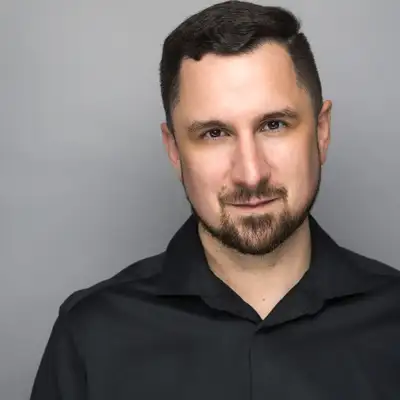
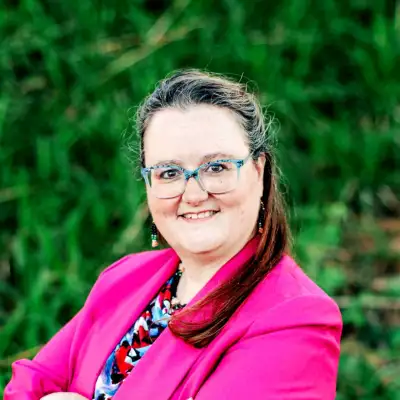
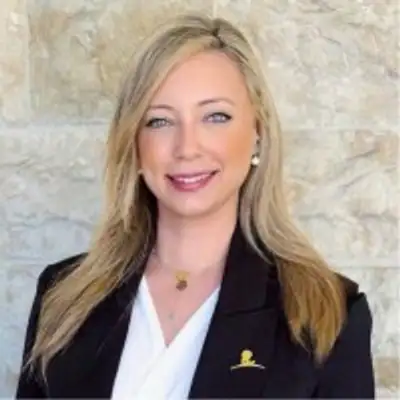
Welcome to Count Me In. I'm Adam Larson, today I'm joined by Barbara Uggen-Davis and Tala Khalifeh for a conversation that I think a lot of you will find both practical and inspiring. We're diving into nonprofit board service, specifically through the eyes of an accounting and finance professional. Together, we unpack the ethical and fiduciary responsibilities that board members hold, share real world stories about fraud risks and internal controls, and highlight the crucial role of bringing an objective, oversight oriented mindset to the table. Throughout this episode, you'll get actionable advice on spotting red flags, asking tough questions, and making sure you're joining a board where you can truly make a difference.
Adam Larson:So whether you're ready to take your first step into board service or looking to sharpen your impact, this episode is packed with honest insights and encouragement you need to move forward. Let's get started. Barbara, Tala, I'm really excited to be chatting with you both, especially in, as we're going to be discussing today, the world of like nonprofit board service and that kind of a space. And it's a big thing, especially, you know, around the world, you know, and as people go in their careers, you know, they want to join boards and stuff like that. And so maybe Barbara, you can start us off and just kind of paint a picture of what board service in the nonprofit space actually looks like, especially for an accounting and finance professional who may not have served on one before.
Barbara Uggen-Davis:Yeah. So happy to talk about that. So the, with nonprofit boards, if you're an accountant, the first thing they're gonna wanna do is make you treasurer. And so they just need treasurers. And there are very few people serving in the nonprofit space that want to do that or have the skill set to be the treasurer.
Barbara Uggen-Davis:So if you're an accountant and you're looking for board service, you can almost guarantee that's the role they're going to try to put you in. But nonprofit boards span the gamut just like nonprofit organizations from very, very small with a handful of people with just the minimum board members that are very closely tied to the mission to larger organizations that have paid staff and have large boards that are largely fundraising and governance, whereas the smaller nonprofit boards could be doing the day to day operations and acting as free labor. So it does run the gamut, and it also runs the gamut on mission. And so finding a board that you want to serve on, you should be passionate about the mission. You should be able to talk about what that nonprofit does and what why it is important to you personally because that's how you can advocate for the nonprofit, but you also need to have the right skill sets to advance the mission either in you know, obviously, as accountants, we wanna be able to to focus on that, fiduciary responsibility, but also general board governance.
Barbara Uggen-Davis:And there are a lot of good training programs that can teach board governance.
Adam Larson:You know, I think I I think we're gonna need to jump in or dive into some of what are some of those skill sets that are needed to like, like, I mean, you're looking and say, hey, I want to join a board. Are there certain skill sets like, hey, I have those skill sets or I need to work on those skill sets?
Barbara Uggen-Davis:Yeah. So obviously from an accounting perspective, you know, you're going to want to understand non profit accounting, which is different. You wanna understand the fiduciary responsibilities of board members, conflicts of interest, board governance. But depending on the size of the organization, if you're in a big organization that's got paid staff, you're just providing that general oversight and making sure that the organization meets its compliance obligations and, you know, keeps things ethical, keeps things clean, does things the right way, but you're really pushing all the day to day work down on on staff level. And and then you're doing the evaluation of the executive director, and they're managing the rest of of the staff.
Barbara Uggen-Davis:But when you're in a a small organization, they may not have any paid staff at all, in which case a board member may be, you know, managing the IT infrastructure or providing legal counsel, doing obviously the day to day bookkeeping and managing cash, taking deposits to the bank. All of those things as if you were a regular staff member could be part of board service. And so you should really understand the size and the needs of your organization before you jump in.
Adam Larson:Yeah. Definitely.
Tala Khalifeh:I would like to add to what Barbara said, especially for me, for example, or any finance professional who joins a board, they feel so tempted to do the work themselves, especially because of the limited staff support that they have. But here's the here's what's important. They need to resist that temptation because the board's role is to provide oversight, to provide strategy, support, to make sure that the work is being done properly instead of doing the work themselves. So they need to be this review layer, the guidance. They're they're really making sure that controls are being implemented and not doing the work themselves.
Barbara Uggen-Davis:Yeah. Absolutely. I I would agree with that completely in organizations that have staff.
Tala Khalifeh:Right. I also wanted to add. So as Barbara mentioned, the first rule for any board member to join a board of a nonprofit is for them to be passionate about the mission. Why? Because they need to be focused on advancing the mission.
Tala Khalifeh:So if you're not really passionate about it, you're not really knowledgeable about about this nonprofit organization and its mission is gonna be very hard for you to add value to the to the organization.
Adam Larson:So before we keep talk talking about the the boards, should we just make a distinction? Like, is there a big difference between being on a nonprofit board and a for profit board? Obviously, the missions are different, but are there other different diff differentiators that we should be that we should, like, outline before we continue the conversation?
Barbara Uggen-Davis:Yeah. So, I mean, ultimately, the organization's purpose is different. In many cases, a for profit board member is there because very often they're investors or they're paid to be there because of certain skill sets or, you know, the nonprofit board member is usually there for two reasons. Number one, they've got a pure interest in the mission of the organization. You know, I'm on an animal welfare board because I love dogs.
Barbara Uggen-Davis:And so I have a pure connection to that nonprofit organization. But the other thing that nonprofit board members are there for is obviously the governance, but fundraising. You know? Well, a board member in a for profit organization will be getting money back on their investment if they're an investor. You know, they have an interest in the success of the organization from a financial perspective for, you know, stockholders and and return on their investment.
Barbara Uggen-Davis:The return on investment in a nonprofit is in community. It's in solving a problem. And so you have to really have a deep connection to solve that problem. If you're on a board and you actually don't care whether or not they succeed, you're the wrong board member. And and if there there are certainly nonprofits that are divisive, that maybe one person might be really passionate about and somebody else may be passionately against their mission.
Barbara Uggen-Davis:And especially when you talk about, you know, social and political issues, you have to really have that that passion and connection to that mission in order to be a good board member.
Tala Khalifeh:Yeah. I think that in a for profit board, everyone is largely aligned around the same objective, which is growing enterprise value. So most disagreements are about how to get there, not whether it's the right goal in the first place, whether while in the nonprofit, the board exists to protect something that is less tangible, which is the mission integrity. And that's exactly where things get harder because mission integrity isn't a number on a balance sheet. It's a judgment call.
Tala Khalifeh:And what I mean by that, let's say a nonprofit receives a donation. This donation can look identical on the surface, whether it's entirely genuine and someone really is donating because they're interested in the mission or whether someone is using your organization's credibility to launder their own reputation. So good causes attract bad money. And that's simply a reality of this field. Some donors aren't giving purely out of generosity.
Tala Khalifeh:They want to be publicly associated with a respected nonprofit and can improve to improve their public image and shift the attention away from their wealth and the source of their wealth. So the charitable act here becomes the story and the source of the funds fades into the background. So here's the distinction. A for profit organization would ask if this money is good for the business. Would this let us do more marketing, enhance the product?
Tala Khalifeh:Whereas a nonprofit would say something like, is accepting this money reflect who we are? Is this aligned with our mission? And that's fundamentally a value question, and it's not a financial one anymore. So, here's like a major distinction between how both organizations are different.
Adam Larson:No, I think I I think that helps really clear it up about the difference between the two. So, when you we're looking at nonprofit boards, are there, you know, and I know one of the elements we wanted to talk about today is kind of the ethical risk and what that looks like from an ethical perspective from a, you know, as a, you know, accounting and finance professionals who are on these boards, if you see those things happening, what is your role as oversight? What does that look like in the oversight side when you're looking at nonprofits?
Barbara Uggen-Davis:Yeah. So when you're talking about ethics and nonprofit boards, mean, a for profit board member may be involved in a for profit organization and get personal gain directly out of their board service, whether it's business connections or, you know, doing business with the organization, partnerships, etcetera. But in a nonprofit board, you really have to avoid those kinds of ethical entanglements because ultimately, you're there to serve the nonprofit mission. And one of the the duties of being a nonprofit board member is the duty of care. And so you have to make sure you're treating that organization first and making sure that their needs are met before your own, and you can't have any personal gain from your service on that board.
Barbara Uggen-Davis:So in many cases, a board member might, you know, let's say hypothetically, a person who offers a service that maybe that board that organization could value from purchasing and, and a board member might be attracted to, Hey, I want to do business with this organization. Let me get on their board and then direct business to my business. And you can't do that. That's one of the serious ethical violations because you as a board member have to recuse yourself, step away from that decision, and any decision that is made by the board has to be in the best interest of the organization and not for personal gain. And and that is definitely different from a for profit board member.
Tala Khalifeh:Yeah. Here, it's worth mentioning the three the three fiduciary duties. Barbara already talked about two of them, but there are fiduciary duties that the board is expected to uphold in its governance and decision making. The duty of care, Barbara mentioned, which means like showing up, staying informed, making careful and well thought decisions and asking the uncomfortable questions. The duty of loyalty, which means putting the organization first above perfect personal interest.
Tala Khalifeh:And of course, the duty of obedience, which is making sure the organization stick to its mission and follows its own rules and values.
Adam Larson:Are there any lines of defense that would stop somebody from doing these things that you just mentioned that they shouldn't be doing? Like, are there are there stop gaps in place to do that or is it per organization or is there something is there a global thing that says, hey, this this particular board is doing something wrong or is it just up to the board to govern themselves?
Barbara Uggen-Davis:Yeah. So as you get bigger, yes. But at the smaller level, yeah, there is fraud rampant in the nonprofit sector. I think there are certainly people who create nonprofits for personal gain and they're small enough that they kind of slip under the radar. Obviously, you know, most nonprofits are built around a mission and so you avoid some of that ethical dilemma because the people doing it who created it are so passionate about the mission because it's deeply important to them, and they wouldn't even dream of doing anything for personal gain, but it does happen.
Barbara Uggen-Davis:You know? So you do have to be on the lookout for that. And I think the public is really responsible for being very careful about where they contribute their money, doing your research as a donor, looking up their nine ninety, checking their GuideStar or Candid, they changed names, Candid ratings, and making sure that, you know, you actually understand the organization, its mission, how it operates, look at their financials if they're available. I mean, you can ask for them, but, know, some of them are already published. Make sure you're asking the right questions to make sure that your money's going in the right place because the public is the beneficiary of the nonprofit and the public also is the oversight, the ultimate oversight through whether or not they give their money.
Tala Khalifeh:Yes. That's why your reputation in this field is very important, and who you are associated with is also very, very important. The board itself. Where some of the errors or wrongdoing happens is when there are conflict of interests that are not declared, for example. So as Barbara said, the nonprofit only get audited whenever there is something that flags it, such as inconsistent number on a 990 or a complaint.
Tala Khalifeh:That's why the board needs to not be involved on the operational side, but needs to provide enough oversight and make sure that the controls are being implemented properly. And that not controls, just but also on the legal side, we are 100% compliant. So they have to do this review layer much more than in nonprofit than in for profit, sorry.
Barbara Uggen-Davis:Yeah. So that I mean, you you have the nine ninety. Not all nonprofits are required to get a financial audit. And so you wanna look for audited financial statements if they are available. That certainly provides the donor some some assurance that, you know, they're working with a nonprofit organization and contributing to a nonprofit that is ethical and, you know, that their finances are in order.
Barbara Uggen-Davis:But some of the smaller ones aren't required to. And and in many cases, they don't get their first audit until they're they're seeking those larger dollar grants and the grantor requires the audit. That's kind of a pivot point for some nonprofits because they realize that as they're going into their first audit, that their financial house is not in order And, you know, things that they could do before the audit, they realized that maybe they weren't doing things the right way. And I've I've talked to a number of small nonprofits that are being run by people who don't have a finance and accounting background, but they're passionate about the mission, and they just don't know what they don't know. And through that learning process, as they grow, they have to pivot and change.
Barbara Uggen-Davis:And that's very often when they start seeking out either an outside accountant to come in and clean up their books or finding somebody that's an accountant to join their board.
Tala Khalifeh:Yeah. So here, in order for the board to be doing a good job, they need to not be buried in operational detail. They need to keep distance to see the big picture. They need to stay alert where things are breaking down, and they need to refuse to let urgency or misplaced trust quietly replace proper verification. This is like the the main steps that they can do in order to be effective.
Barbara Uggen-Davis:There are a little bit about not about fraud risk in nonprofit too. And frankly, the nonprofit sector is very much a target for external and internal fraud. And so the board really has to be on the lookout for that, whether it's, you know, external fraud from somebody coming in and diverting funds or, you know, fake invoices that you just don't have the trained staff because you're very often relying on volunteers that may not know anybody.
Adam Larson:So what you guys were just saying kinda made me think of, you know, you've mentioned that there's some nonprofit organizations where everybody's volunteered. There's no paid staff, and the board has to, like kind of take up a lot of that work. And a lot of times the board is volunteer as well. What does it look like when everybody's volunteering and nobody's really paid and nobody really has the money note of like the money motivation, like, hey, I'm being paid for this. Let me put my full effort.
Adam Larson:And it's really just the passion, which can die sometimes. And so how do what does that look like when you're trying to manage all that and not have fraud and ethics and ethical concerns come in?
Barbara Uggen-Davis:Yeah. So I'm actually involved in one of those all volunteer organizations and I have been there for a long time. Prior to when I started, we didn't even have term limits. And in fact, we just got term limits recently, and so I'll be rolling off in the next year or two. But it is a passion.
Barbara Uggen-Davis:And eventually, you know, you almost have to recruit your own replacement, especially when you're in that finance role because you can't just walk away because there's this deep responsibility that you feel after being involved with an organization for a long time and you're owning that process and you're doing those things. But that's where it really is important to have an ethical person in that role, somebody who has the right skill set, either a CPA, CMA, you know, somebody that works in an accounting field, bankers, somebody that's at least got that professional ethics as a requirement because you get sometimes where organizations may have and sometimes they are certified. There are chances where there's so little other oversight because let's face it. Sometimes nonprofit boards, they don't understand the finances, and they're relying on that one financial person to tell them everything's okay, and they don't read the board packet. They don't understand the financials.
Barbara Uggen-Davis:And so, you know, it can become very easy for a nonprofit finance person to divert funds. And, you know, then you get into the whole conversation about the fraud triangle and, you know, whether there's opportunity there is in nonprofit. And then, you know, your own rationalization and, you know, that motivation to to commit that that crime. And let's call it a crime because it is. That happens far too often in nonprofit because they lack skilled board members who all have at least a working knowledge of finance and accounting, because many times they're not made up of people who are even business professionals.
Barbara Uggen-Davis:They don't have that exposure in all cases, not in all cases, but you know, in many cases, they're passionate about the mission, but they may not work in a field that gives them exposure to this level of management skill. And it's very easy to come in on a smaller nonprofit and divert funds. And that's an unfortunate fact.
Tala Khalifeh:That's why diversity on the board is very important. You need to diversify on the boards in order to have the right advices because this is what the board's main role is. And I know that some nonprofit may have some structural limitations, but they need to find workarounds in order to make sure that it really impact the controls. So for example, if you don't have enough staff to segregate duties, maybe you can assign two board members to review financials together or to make a spot audit Or maybe hire an external auditor to do like a random audit on your financials like once a year or once every couple of months. So there are turnarounds even if you don't have enough staff.
Tala Khalifeh:Like you can find ways to implement control. And what's more important is that you have some policies, you have processes and you have controls and you're checking that these controls are being implemented and applied effectively. Not just that they exist. You have to make sure that they are being applied properly.
Barbara Uggen-Davis:Absolutely. Yeah. So, I mean, I work with a number of nonprofits that brought me in as that external oversight because they don't have have full time staff. In many cases, I I worked with one, for example, they they'd been running their books and just Google sheets and make but basically, it was just a check register. That was all they had.
Barbara Uggen-Davis:And, you know, at the end of the year, I check all of that. We put it into into QuickBooks, looked at it, reviewed it, made sure that everything was on the up and up, asked the questions, reviewed the processes. And then as they've grown, we've been pivoting their organization to have more routine over oversight. So now I'm reviewing every quarter instead of at the end of the year, and we've we've brought in external bookkeeping that's really helping them and then asking the questions. You know?
Barbara Uggen-Davis:Have you done this? Where's your documentation for that? And making sure that everything is done in the appropriate way rather than just waiting till the end of the year when it's too late to fix.
Tala Khalifeh:Yeah. I served on a nonprofit board for a short period of time, and I know that we really we really cared about where we're spending the money. Like, for example, if it's an organization, for example, that treats kids with cancer, it feels hard for the board members to invest their money in something not related to the medical treatment, let's say, of the kids. So I understand why sometimes they avoid nonprofit organizations avoid hiring staff that might cost them a lot per month. Why?
Tala Khalifeh:Because this is taking away from the main mission of the organization. But that doesn't mean that we don't have to maybe spend maybe even if a bit of a small amount of money to make sure that controls are being implemented, to make sure that our financials are correct for us to know how to move forward in the future and what are the decisions. Because every decision we take today based on a financial report will have an impact on the mission moving forward. So even there are also volunteers who don't mind to do external audit for free. So there are other alternatives that might not really impact where the funds are being spent, but also giving you enough protection and giving you enough oversight on your financials.
Barbara Uggen-Davis:That's a great point. And that that leads into the board's also responsible for ensuring financial stability and sustainability longer term than just the the few years that they individually are serving on that board. I mean, everything doesn't have to go into program service delivery. You have to be ensuring that that you're not running on a on a deficit budget or, you know, even a balanced budget because you have to be setting aside money for future periods because you don't want your organizations to be in a position where one donor drops off and suddenly you can't pay the bills. You have to be thinking strategically as a board about the long term viability of the organization.
Barbara Uggen-Davis:How do we set aside funds so that this organization can last and be able to pivot when there are changes in the market and, you know, maybe a donor decides to put their money in in order their organization or a grant that you had relied on for years suddenly doesn't happen. Those things have to be accounted for and planned for by the board of directors.
Adam Larson:So, let's say somebody's listening to this conversation and they're like, hey, I think I could join a board. I think I could really make a difference. And and Barb, you probably have some you could probably give some, some really good advice about like, what are some red flags they should look at? What are questions they should ask? Because you know, there's, there's public information, but there's not public information.
Adam Larson:So there's certain things that you, there's questions you need to ask to make sure, Hey, I'm not bringing myself onto a sinking ship or am I bringing myself onto something that's already, you know, is it gonna be too much? Like what are some things that you should be asking?
Barbara Uggen-Davis:Yeah, that's a great question. So first I would, you know, obviously look at their financials if you have the opportunity to do so. And I would encourage everybody to request them. If they won't give them to you, red flag. If their treasurer is leaving and they say things like, yeah, our treasurer hasn't given us this or that.
Barbara Uggen-Davis:And that the very often the board relies on the treasurer to do everything, and suddenly the treasurer disappears for some reason. And nobody on the board knows where the financials are, knows how to do anything. Those are often red flags because you are relying on one person for that financial oversight. And when they're gone, it's a mess. I talked to somebody who was joining a board and she says, I'd love to join the board, but first let me spend a year before you ask me to be treasurer because I want to understand things first.
Barbara Uggen-Davis:And after two board meetings, she quit because she says, look, you are a mess and you're not trying to fix it. And I don't have the ability to fix it because you don't have access to your own data. So those can be really big problems. And, I would say, understand the operations of the organization, talk to other board members, get a feel for them, make sure, you know, do you trust their ethics? Can they tell you what they're doing and talk about why they're serving on the board?
Barbara Uggen-Davis:What is it that that is important to them about the organization? Because obviously you wanna make sure you have a connection to that as well. Know, boards that don't have pay paid staff, you know, are they adequately volunteered? Are they adequately funded? Who's funding them?
Barbara Uggen-Davis:You know, are they overly reliant on a single source of income like one grant or, you know, one large donor? Because that speaks to the risk of the organization caving if that donor or grantor goes away.
Tala Khalifeh:Yeah. I would honestly tell every new board member own your seat. Why? Because especially if they are accounting and finance professionals, they are always tempted to do the work. This will make their role shrink into a supporting role.
Tala Khalifeh:That's not how things should be. You need to stay the over to do the review. You need to make sure that oversight is being there. You need to make sure that controls are being implemented proper properly. If you see any red flag and, you didn't trace us, that's a governance failure.
Tala Khalifeh:You need to make sure that you're asking the right question, you're asking the tough question, and don't let any red flag just pass by without being brought up in the boardroom. And yeah, I think the real value a finance professional brings to a nonprofit board is the willingness to ask the question that others in the room might be too close to the mission to ask. Things like, are we sure we understand where this donation came from? Does this expense actually align with what we told donors would do with their money? Honestly?
Tala Khalifeh:Or are we reporting the versions that makes us look best? So those questions don't slow the mission down. They actually protect it. And a finance professional who owns their seat fully, who shows up not just as a numbers person, but as a genuine governance partner is one of the most valuable people that an organization can have at that table. So, they need to be that person in the room.
Adam Larson:I mean, I think that's huge with as accounting and finance professionals, you know, you're used to asking those questions within your organizations that you work for. And also, you're used to seeing, like, good internal controls in place and all those all those ethical practices that you've been trained to do. So when you come into the board from what I hear you guys saying when you get into that board, don't be afraid to start asking those same questions that you would ask in your day to day job. Like, hey, if you're coming into a board meeting, see something that you're like, hey, this doesn't look right. Ask those questions, find out what's going on.
Adam Larson:Because if you're putting your name and you're sitting on that board, you know, if there's unethical things happening, it, it kind of looks on everybody. And so you need to make sure that those things are taken care of. And, you know, and is it, is it difficult to ask those questions? And if those ethical unethical things are happening, what steps can you take? Like, because there are are no oversights over a nonprofit.
Adam Larson:What does that look like when you try to make those take those actions to try to combat the unethical practices?
Barbara Uggen-Davis:Yeah. So, I mean, obviously you bring it up at the board level. If you find yourself the lone voice and the rest of the board is not willing to entertain the conversation about the problems, first, leave the board. I mean, your reputation is critical. And then depending on what it is, you can, you know, make reporting to the IRS or, you know, if there are state authorities, depending on what the violation might be, you know, you can certainly report it, and whistleblow.
Barbara Uggen-Davis:But if, you know, first and foremost, you don't wanna be associated with an organization where you see very clear ethical violations, then you absolutely have to make the stand and walk away.
Tala Khalifeh:Yeah. Especially because board member here are decision makers. They are part of the decision. So any decision that the organization make is reflected on the board members. The board members made this decision.
Tala Khalifeh:So you're part of it. So you shouldn't stay silent. You either raise it and get it fixed because not all board members know a 100% what's right, what's wrong. Sometimes there are genuine mistakes and genuine errors due to lack of knowledge. So if you know better, you have to advise and you have to guide the other board members to do things right.
Tala Khalifeh:If they cooperated with you, then that's excellent. You saved everybody and you saved the nonprofit that is helping other people. But if they don't, then as Barbara said, you need to leave to protect your reputation. It's better than being associated with anything that does harm rather under the title of nonprofit organization.
Barbara Uggen-Davis:I would clarify too. There are certain times where you may not agree with a a decision. You might be in the minority on a decision. That isn't an ethical issue or, you know, something that that's worthy Operation. Of walking away.
Barbara Uggen-Davis:But you may you may think, hey, this is the wrong direction. I don't agree with this, but it's it's not rising to that level. Certainly, you know, you you want the minutes to reflect that you voted against it. And so you may ask during a vote, I vote nay, and I want the minutes to reflect that I oppose this decision. And then if something does come out of it, you know, you at least have that.
Barbara Uggen-Davis:But, you know, when it's an ethical concern or a legal issue, obviously, you want that and to walk away.
Adam Larson:Mhmm.
Tala Khalifeh:You're right. There are like operational decisions. Operational if we disagree on an operational decision that is not related to a source of fund, to due diligence, to where we're spending the money, who is our vendor, they could be, let's say, benign, like they're not harmful. But if they're related to anything unethical regarding the practice, then yes. In all cases, your voice should be documented.
Tala Khalifeh:But a more serious decision should be taken by you if it's related to anything unethical rather than difference in opinions regarding anything that is operational or detailed.
Adam Larson:Yeah. Because you want like you guys mentioned earlier, you want that diversity of thought. You want differing opinions on a board because you want people with different experiences to give their to give their insight. And
Barbara Uggen-Davis:And so you've gotta be connected to the mission. So think about what things matter to you, then become a volunteer. Very often the pathway to board service is by being an active volunteer because the board very often sees who's volunteering, the the leaders of the organization, you know, they know who their volunteers are and being a donor. That demonstrates your commitment to the organization first and foremost. And you may spend, you know, a period of time, maybe a couple of years being just a donor or just a volunteer or both, preferably both.
Barbara Uggen-Davis:And that then leads into being on a board because either board members will invite you to become a board member or you can, you know, make the introductions at events. Very often, there's the annual gala or the big fundraising events where you can meet and network with those people who are involved in the organization, and they can introduce you to board members who are actively recruiting for board roles. There's also and we're here in Indiana. We have a annual event called Get On Board, and a bunch of nonprofits come, and they each have their own little booth. And you can go through the whole day and meet all of these different nonprofits, find out what they're looking for, what they need.
Barbara Uggen-Davis:And that's a great opportunity for people who are are new to board service or just looking for their next board gig. And so, you know, find out if there's something like that in your community or if there are other events and things that that focus on nonprofits to get involved and and make those introductions.
Tala Khalifeh:Correct. I think that, first of all, as Barbara said, finding the right mission that you are passionate about is the first step because this is what's gonna motivate you to give your time for this mission. And then you have it's better to become a volunteer of this organization for you to see how they work, how they function, where they're spending their money, and what type of events they do so that you can see if they are aligned with their values first. And this is a very important step. Once you feel the belonging and you feel that you are aligned with their values and you are compatible, then maybe you can apply to become a board member or you get invited, as Barbara said, because now you are in a good fit to help them make decisions.
Tala Khalifeh:If you don't feel that this nonprofit is a home for you or a family or you are really a part of this, you won't be able to make the right decision. You're not going to be able to support decisions. So that's also very, very important.
Barbara Uggen-Davis:One of the nonprofits that I that I'm on the board of one of the requirements of joining the board is you have to have been a member. You have to have, you know, been involved in some way. And the board has to get to know you through your commitment to the organization. And they do not recruit from outside of their membership base. And there's at least, you know, several months that you have to have been a member, which demonstrates your commitment to the organization through financial and participation.
Barbara Uggen-Davis:So, you know, the you're not just gonna come into a board of directors cold and not knowing anything about the organization. You'll never get there. Least I hope not. If if if they do, then that's a red flag as well.
Adam Larson:No. That's great. It's well, awesome. Thank you so much, Barb and Tala, for sharing your insights. This has been a great conversation.
Adam Larson:And, you know, I really hope people kinda find organizations that they're passionate about and join those bars and really make a difference. So thank you so much for coming on. Yeah.
Announcer:This has been Count Me In, IMA's podcast providing you with the latest perspectives of thought leaders from the accounting and finance profession. If you like what you heard and you'd like to be counted in for more relevant accounting and finance education, visit IMA's website at www.imanet.org.
Creators and Guests