Ep. 384: Leslie Ellis - 4 Warning Signs Your Change Project Needs Attention Now
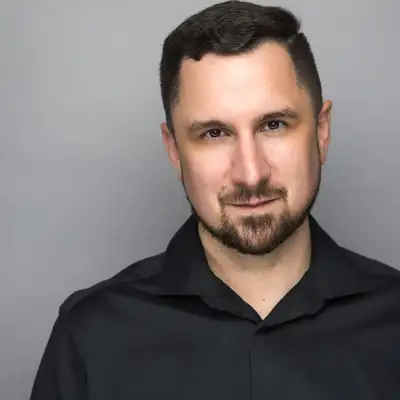
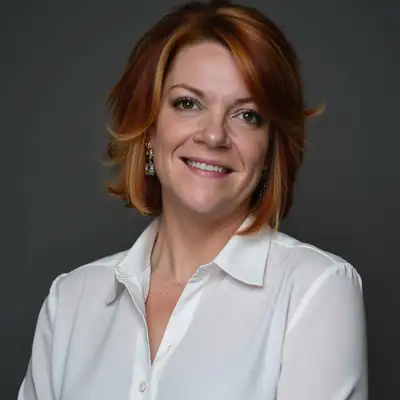
Welcome back to Count Me In. I'm Adam Larson, and today I'm excited to bring you a conversation with Leslie Ellis, the founder and CEO of Meaningful Change Consulting. With a rich background spanning career coaching, HR, and leading global change initiatives for major manufacturers, Leslie has dedicated her career to helping organizations and leaders navigate transformation. In our discussion, Leslie unpacks why most people get change management wrong, what it really means to be a proactive change leader, and how finance and accounting executives can guide their teams to success, especially in a world where disruption is constant. From personal stories to practical advice, Leslie shares insights that will benefit anyone facing organizational change or looking to build better leadership skills.
Adam Larson:So no matter where you are in your career, you'll find actionable tips and fresh perspective in our conversation. Let's dive right in. Well, Leslie, thank you so much for coming on the podcast. Excited to have you here as we're talking about organizational change. But I wanted to start back at the beginning of your career.
Adam Larson:You know, what got you to where you are today and then maybe what first pulled into the world of change?
Leslie Ellis:Yeah. Well, thanks for the question, Adam. I'm really grateful to be here. And so I go all the way back to... I entered into kind of personal change in support of people through career transitions.
Leslie Ellis:My first career was in staff augmentation recruitment. So I didn't really even, I guess, consciously recognize what I was doing then, but I was actually helping on personal side. And I did a lot of coaching to help people either land the jobs or leaders on how to hire for the right job, the right person for their job, especially when they're in scenarios of not getting the right candidate the first couple of times. So I started in that a little unconsciously, and then I became more conscious after I received my master's degree from the University of Minnesota in the evenings and went to work for a manufacturing firm. And I was meant to start in the HR generalist realm.
Leslie Ellis:I was a human resources master's degree. And I was like, okay, on my way, be a future CHRO. Right? I know the path. And they called me like two weeks before I started and said, so before we put you in that rotation, Deloitte just created this plan for us, this framework for change.
Leslie Ellis:And we really need somebody to own it, develop the materials for it, help us train leaders on it. And oh, by the way, we just merged with another company a year or so ago and we wanna do a culture survey. We need somebody on this. Will you would you be willing to do that for a year before you go do other things? And I said, sure.
Leslie Ellis:Why not? And so I went and did that. And after a year of doing that work, I had some... I mean, it was fabulous year. I had some realization that, wow, I've never done.
Leslie Ellis:I didn't actually do work like this where I helped truly manage and and help people lead change in an organization at the scale we were talking. This is a global manufacturing organization. And I was like, I have an opportunity here to actually learn how to do this, not just try to teach it from theory. Right? To treat it treat...
Leslie Ellis:Teach it based on a a framework or a plan. I wanted the experience. And they said, sure. If you find an executive in the company who will sponsor you to let you try to play that role because it didn't exist in the company, really. And they said, well, if you can find someone, then great.
Leslie Ellis:And so I did. I found someone and they did actually have a team who was somewhat doing that work, but they needed to build it. And so I joined that team and and had a great another set of handful of years doing global work across the manufacturing organizations, rollouts, and big organizational change. With that, though, I started to pay... See a pattern really quickly that why did we have all these...
Leslie Ellis:I mean, we're talking millions and millions of dollars of change efforts. But then there was always a project that had to be done on the back end of it in order to get what we... I now know as business results or the metrics that you said you were going to get at the time. And I didn't understand why. Well, if we were doing everything right and it went smooth and it was a great rollout and we get all these kudos, but then you have to stand up a whole another project on the back end to make the the benefits come to life.
Leslie Ellis:Something's... In my world, that meant something wasn't right. And I went on a hunt to find out through finding elders of what's now known as the change management industry and otherwise to seek out what does it actually take to do a change well as well as you can possibly the first time given there's a lot of human dynamic variables that plan to change. How can you set it up for greater success and minimize that unnecessary rework on the back end? And that's essentially what I've dedicated the rest of my career to once I moved into becoming an accidental entrepreneur.
Adam Larson:Well, if there's one thing that's constant, especially when you work in a corporate world is change, change. There's always change happening, whether it's leadership changing or mission changing or, you know, staff turnover or, you know, the dynamics of your industry is changing. So you have to, like, pivot as an organization. So there's there's change happening all the time. So, you know, and I think change management is like one of those phrases that kinda got played out.
Adam Larson:You know, you you have you have the like the Harvard Business Review and all their change management documentation. They've written they've had so many books on it. Then you have people outside of that. You know, you've got the, you know, the Cassandra Worthies of the world that could change enthusiasm, which is really cool. But when you hear the word phrase like change management, what do you think most people, you know, get wrong about it when they when they hear that word?
Leslie Ellis:Yeah. So I think change management is really a relatively young profession. Don't get me wrong. The work's been around for decades and decades. But as a profession and folks actually going into it and trying to cultivate and build it and build the capability, it's only been around since like 2008, 2009.
Leslie Ellis:One of the places it took hold readily right away because there was a lot of momentum in that space was making it an implementation discipline focus. So leaders were willing to get on board as long as it was more attached to the implementation side of a change effort where that is where we kinda hear about change management. Oh, we need training. We need communications. We need a little bit of stakeholder engagement before we go live so that we get the best possible adoption.
Leslie Ellis:Right? And in a nutshell, and that's not necessarily fair to everyone out there that does change work. There's a good 10 to 15% that we do a lot more than that. But there is a kind of a core and a bit of a generalization that has happened around change management, and I call it an implementation discipline focus. It still is important.
Leslie Ellis:Don't get me wrong, Adam. It's extremely important, but it is incomplete in helping leaders and organizations get the business results on the back end because we still then have that in what I consider unnecessary rework on the back end because there's what I call work that's done way before setting up the change for success. That is done way before you ever get to implementation. And if you don't do it, it's what causes the unnecessary rework later. So, you know, in change management, I think it has been somewhat pigeonholed into this this communication training readiness function of change efforts when really it needs to be a much broader definition all the way up to the moment we decide that we're...
Leslie Ellis:The market has said you need to change customers. It's something said you need to change. Okay. Now how are we gonna do this? That's when change management actually starts, and it starts with what we call change leadership, which gets us into more of a broader sphere of influence, a broader focus on how to achieve outcomes, how to set a change up for success before you ever put a plan in place.
Leslie Ellis:Communication and engagement starts all the way up there at the very beginning, not as an implementation only discipline. And that's why a lot of change managers don't have that seat at the table because the discipline has been focused in on implementation readiness. They don't get brought in early enough to make the influence that is or have the influence needed further upstream. And so that's some of that difference. I'm gonna pause there because that was a lot.
Leslie Ellis:What question comes up for you in that?
Adam Larson:I I wanna poke it at a little bit about this idea of being proactive and doing the work beforehand because I feel like a lot of times change happens. We're like, okay, let's deal with the change. But you were just saying like, if you're doing the work beforehand, then when the change comes, it's less work afterwards. Can we can we poke... Pick on that a little bit?
Adam Larson:Because I feel like that's something that not a lot of people talk about at all.
Leslie Ellis:Yes. I would love to poke at it because it... Now you might actually see me start getting excited. Yes. This is it.
Leslie Ellis:You know, the proactive side of change is really, like I said, it's called setting it up for success. There's a lot of scoping work conditions. It's not just project management, program management. It's how are we gonna lead this massive change together? I mean, I'm talking about...
Leslie Ellis:I've I've worked on change efforts to the tune of 50,000,000. Like, this is... These are big change efforts. And you're just gonna... As a as a leader, you're gonna say, we're gonna do this change, pass it to someone two, three levels below you and hope for the best.
Leslie Ellis:Really? And then we do that and we wonder why the change effort has so many road bumps, so many roadblocks, so many challenges down the line, or why you end up spending twice if not three times the amount of investment on the back end to try to get your results because now it's too big to fail. Right? So the proactivity side is taking the time upfront to actually do the things, create the strategy, the approach, how we're gonna work together, how we're gonna set this up for success beyond just assign a program manager and and bring a change manager down in later and set up a project team and wish them well, what's the sponsorship going to be doing? What do we need from them?
Leslie Ellis:How are they gonna hold the the conditions for success for us? How are they going to do all of these things? What are we gonna do when things fall apart? How are we gonna handle it? So I get the most pushback on that, which is funny.
Leslie Ellis:They'll be like, why do I need to design what we're gonna do? When the problem happens, we'll deal with it then. But emotions are high when it happens. But if everybody can agree to a process up front and they might forget that they agree to the process, but it takes so much pressure off the people who have to deal with the challenge or the problem when it surfaces of we agreed in a certain way to do this. And yes, I do have a certain way of going...
Leslie Ellis:Of helping them do it to neutralize the emotions, but they already have a process to follow, which automatically takes some of the cortisol level down because they agreed that this was the best path forward. And so sometimes it takes a little convincing on, hey, let's slow down to go fast. But I promise it always works out that they get to go faster sooner and they get their results faster, which makes usually the C suite very happy.
Adam Larson:Well, and I'm sure that once you've done it once, you're like, oh, okay. So when the next change comes along, you're like, hey, we've done this before. I'm a little more comfortable now. We can just let's pick up that process again and let's do it again because we know it worked. And if something didn't work along the way, you can fix it for the next time.
Adam Larson:So that way you're in better shape for the... But that that seems easier said than done. I like I saying it so simply, but I feel like it's not so simple.
Leslie Ellis:It is. And and also, there's something you said earlier on, Adam, the pressure... The era we live in, the pressure is on leadership. Change leadership to show up, shepherd, and steward the change. That is not something most organizations have invested in building the capability in on how to do.
Leslie Ellis:But yet we... And I just gave a keynote on this yesterday at a conference in Orlando. We were taught how to manage change, which is much more reactive to your point, shortsighted, focused on deliverable, get it done. Right? Get it in, get people to sign off that they're ready.
Leslie Ellis:And then and then we'll hand it over to operations thirty, sixty days later and say, you fix all the things that are left over that aren't working. Right? So what the era of disruption we have going on right now, which you mentioned earlier around the pace of change, the pace of change has only accelerated. Thank you, AI. I know nobody's heard of AI.
Leslie Ellis:Right? Thank you, AI, for making it even faster along with geopolitical, societal things, changing customer requirements and demands, climate change, whatever it might be. Right? You know, conflicts in other regions of the world, everything is speeding it up. And it's only going faster.
Leslie Ellis:I think Accenture's last disruption index went from 4% in a five year time period to the next five years, which covered the pandemic to 200% disruption in the world globally. Alex Partners published this year, right, that CEOs see that this disruption is up 70. Right? So, I mean, CEOs, senior leaders, and companies are seeing this. It's not slowing down, and the era is asking for more change leadership to help shepherd their teams through all this chaos and all these shifting priorities.
Leslie Ellis:And there is true work in change leadership that isn't about just delivering the work of the program or the project or the change, but it's that setting it up for success and then maintaining it.
Adam Larson:And
Leslie Ellis:a lot of times leaders have been taught to manage change, which is a bit more of a abdicate or delegate to others to manage the change. I'm putting out there that leaders need to learn how to lead the change. And that's a skill set that needs more capability and focus in my opinion.
Adam Larson:So when we're when we're talking about change leadership, what is the... Like that CFO, that finance leader's role in showing up and being the sponsor of the change? Suppose it's just the approver saying, hey. Yep. Numbers look good.
Adam Larson:Go ahead and do your thing. But what does it look... What does it truly
Leslie Ellis:look screen. Go.
Adam Larson:Exactly. What does it look like if they're taking more of a role in being that sponsor, in being that, you know, part of that proactive voice?
Leslie Ellis:Yeah. So there's a couple things that come to mind. There's many things that can be variable depending on what kind of change effort it is too. Culture change effort impacting culture can be very different than something that isn't impacting culture. So, you know, just keep that in mind as a frame around this.
Leslie Ellis:They need to be a role model for the change that they're moving towards. So one of the first things I always have to broach with executives and senior leaders is in order for this change to be successful, what are you going to have to change about yourself and how you lead? Because it requires some shift. If it's a big enough transformation, it requires a shift from them. I have a CFO that I partner a lot with that's in the energy utility industry, and he's in the space of getting ready to launch his own transformation driven by a lot of digital and AI.
Leslie Ellis:And one of the things he said to me is, Leslie, I recognize I've got to be upfront. I've got to be in the front of this. I have to I have to be here. So And the question is, well, what is it gonna require of you that's different than what you do today? Because he already recognizes something about it is different.
Leslie Ellis:He just hasn't pulled out what it's gonna be for him. And some of that might be emergent, but he needs the coaching because he's being asked to change as well. That's the first recognition I usually look for in executives is that you're not just telling others that we need to change. We gotta look at you and what are you gonna have to change to lead this successfully. And then help them through that process because that's a change, a transformation for themselves in this.
Leslie Ellis:And then you have to look at, well, now what does it mean for your leaders under you to have to change? Because they're going to have to change. Right? And then it continues by layer. Then there's maintaining a gaining and then maintaining alignment on what it is we're doing, why we're doing it, and who owns the decisions.
Leslie Ellis:This decision rights at what levels throughout. So the whole governance structure, but that sponsor executive plays a key role in making sure everyone remains aligned throughout all those layers too. And they don't start to make up their own narratives and stories about what the change is and what's happening and why decisions are being made. So they're... They kinda control that whole aspect.
Leslie Ellis:And I think a lot of executives don't realize that they they hold that responsibility to keep the teams in alignment and help the different leadership layers maintain that alignment as they go through and enable it. And then how do we keep it going? Because if it's a multi year or a two year, you can't just do that once. You gotta do it multiple times. They do have to be visible, transparent, communicative, be willing to be that role model and that true sponsor.
Leslie Ellis:And then last but not least, I would add on there that they have to ask better questions than what they do today. A lot of times, so I hinted at it a little bit by saying, oh, that status report, that green status report, we cannot take those green status reports at face value all the time. Right? I would even encourage, and I just coached an executive on this earlier today, tell him the status report is due in advance, and we're not even talking about the status report at the status meeting. Have a standard set of questions that goes deeper into what is actually happening and what kind of progress are we really making and where are we concerned it's not going to go the direction that we expect.
Leslie Ellis:Where do we think our, you know, forks in the road are? What do we think is going to happen with x y z? And what are our big... Biggest risks that you guys are talking about? And make that a safe place that they can surface it, not because you're an executive that's gonna come down hard on them.
Leslie Ellis:Right? But because you need to be a safe place that that program who's running a multimillion dollar or maybe tens of millions of dollars of a change effort for you have a safe place in you to go to say, hey, early. We we have a concern here. Now it hasn't come to fruition yet, but we're watching it. And then you can be a really well informed executive on the true health of your change initiative, not just expecting that because it says green that everything's okay and then get caught at what a year and a half in with the...
Leslie Ellis:Well, we aren't gonna make the timelines. We're... We need more money. We... You know, all those things.
Leslie Ellis:That should never be as a surprise to an executive sponsor. And if it is, they're not as involved and engaged as I I personally believe they need to be. I'm not saying they have to go do the work. They have to ask better questions so they understand it better.
Adam Larson:How do you know when the right time is to ask those questions? Because obviously, you can't ask those questions every single time you're getting updates. When's the right time to ask the better questions?
Leslie Ellis:Well, I think, you know, you'll have various status updates as a leader. You'll have... Or just check ins. You... There are critical people in your change effort.
Leslie Ellis:Whether they're the head of your change, like change leadership, change process, they're a program manager. Maybe you have a, you know, like a more... I don't wanna use the word like a next level sponsor below you that is over like a leader who's like totally accountable under you for seeing this whole thing through and spends a majority of their time on it, whatever it might be. And you're gonna have some one on ones, and you can probably get a flavor from different angles, right, by having good conversations and having good relationships with those people. They shouldn't be scared to tell you what's going on for real and seek your support or your interest.
Leslie Ellis:Now with thoughtfulness. Right? They shouldn't be bringing to you that, you know, Leslie and Adam aren't getting along on the team and, you know, it's not the end of the world. But if if Leslie and Adam not getting along the team means that our deliverables are not going to make it, that's a different conversation. Right?
Leslie Ellis:So, you know, there's this... The one on one conversations, but then there's the, you know, steer... If they... You have a steering committee or you have a broader body of people, you know, that may or may not be the place to bring those questions to the table. So depending on what kind of leader...
Leslie Ellis:Some leaders I work with, they prefer the smaller groups to surface some of those tough things so it feels safer. And then I have other leaders that were like, nope, I want all 10 people in the room. We gotta be all in this and have a discussion together. You just gotta create the environment for what kind of leadership you want to have as an executive sponsor and then enable it.
Adam Larson:So we've been talking a lot about, you know, what people should be looking for, how they, you know, should be looking at this and approaching these these change initiatives. What if if you're in the middle of one? Are there are there like warning signs that leaders can be looking out for to know, hey, this is maybe drifting off track, you know, to to to use the the overused term, it's becoming out of scope, you know, like how do you... What are the warning signs they should be looking for?
Leslie Ellis:Yeah. So if you see a significant amount of stress on your people, should be asking questions.
Adam Larson:Yeah.
Leslie Ellis:If you... I mean, like it's what's interesting is I had a sponsor one time ask a brilliant question and it was... It's cultural. But he asked the question to the program manager and the change leader on that team, and he said, did everybody get a vacation this summer? And what would you think the answer was?
Leslie Ellis:No. Not everybody got to take their vacation time that summer in order to try to meet the deadline. And that just allowed him to say, well, why not? And then ask more questions. Right?
Leslie Ellis:It's a... I'm thinking about my employees' health and well-being and all the people that are working for me and putting in all this effort, but at the same time allowed him to dive deeper into something that would not have gotten him the first answers right out of the gate. They would have probably tried to hedge, covered up a little bit just because, you know, we try not to overburden our executives, but the reality is is sometimes you got... The executives are too far removed and they have to figure out a way to get the information that's real. Right?
Leslie Ellis:Not just what goes on a slide or on a, you know, a scoreboard. So it was a really unique way of asking how... Like, what was going on that summer and how things are going because he was observing some levels of frustration and stress and fatigue, and he just got to ask the questions. So seeing those are our key indicators. Also, I would tell you a lot of confusion.
Leslie Ellis:Confusion, not knowing we're working through it. That's an opportunity to hold your team accountable, and I don't see a lot of sponsors do it. I I... It's interesting to me. They'll be like, well, they'll be in a status meeting or some type of steering committee, and the team can't answer the questions.
Leslie Ellis:And everybody seems confused and doesn't have it. And they say, okay. Well, you know, let me know if there's any problem. What if we switch that narrative and said, okay. So it sounds like there might be a little bit of confusion, maybe lack of alignment on what's the real challenge here.
Leslie Ellis:By next Friday, I'd like to know what the challenge is and what we're doing to resolve it, whatever it is. That's accountability. Right? That's not letting it fully slide, but not putting, you know, like, hey, that it's not okay to be a little confused and to be working it out, but I'm still expecting you to come back. And I wanna know what this confusion is about.
Leslie Ellis:I want it clarified. I wanna know what the plan is to address it, and I wanna know what support you need because I don't want this to continue. And then there's also places where everything just stalls and we're making no progress, which is a nice clean, like, I'm not hearing anything. We're not seeing anything planned. I'm not...
Leslie Ellis:The status updates look really thin. We're not really keeping dates. What's happening? And that usually involves some type of coming in and someone diagnosing what's what's falling apart in the change effort. We call that change rescue.
Leslie Ellis:We come in to try to rescue the the event or reset it because sometimes a full reset is needed, especially when there's a lot of new leadership turnover in an effort. That's another one. If you have significant senior or middle leadership turnover in a change effort for who is accountable and responsible for doing a lot of it, new leaders come in with new ways and new ideas and new new thinking. Right? And they can sometimes inadvertently stall what's happening to try to reorient it, which can cause lack of alignment now, which can cause lack of clarity, scope creep, as you mentioned earlier.
Leslie Ellis:It can cause a lot of things to go off the rails a little bit that need to be reset. I would actually encourage any executive that has significant turnover in their leadership and a... In in a significant effort, tell everybody that a reset, like a reset or a relaunch... Mini relaunch has to be done to make sure those leaders are brought up to speed. Everybody might...
Leslie Ellis:Gets back in alignment with what we're doing, what... And maybe something does need to change in it, which is okay. But let's all get on the same page about it, and let's put it in motion so that we can keep moving forward at a good momentum together. If you're trusting that that happened and you don't require it, you're more likely to have that stall happen. So those are some really good examples that I can think of.
Adam Larson:Yeah. And who doesn't love being put into a project in the middle of it and having no idea where where you start? It's so much fun.
Leslie Ellis:Yeah. Yeah. And then they sometimes get beat up too, Adam. Like they get beat up for, oh, you came in and you're changing all this stuff. That's not what we agreed to.
Leslie Ellis:Well, number one, they weren't there if you didn't take the time to bring them up to speed on the history. And if we didn't figure out a way to level set everyone so that everybody understood and was aligned on the move... How we're moving forward together, of course, things are gonna go haywire. Course. You just basically, like, threw one of those those little snap fireworks and threw it over a fence to the neighbor's concrete on the back and expected no one to jump.
Adam Larson:Yeah.
Leslie Ellis:You know?
Adam Larson:I I wanted to pick on something you mentioned very briefly at the beginning of that response. You said a lot of times we like to, you know, kinda protect our senior leaders where we don't wanna give them all the information. And I can understand to a point where they don't necessarily need all the nitty gritty details, but I think sometimes we protect them to a fault where they're not given all of the information to make the best decision. And how do you balance that where obviously they don't need all the nitty gritty details, but you also don't want to not give them enough so that that way... Because they're essentially the the buck stops at them.
Adam Larson:So they need enough information. So how do you balance that giving that information?
Leslie Ellis:Yeah. Now this is both a... There can be a a general answer to this that I'll give in my opinion. But again, this is a by executive thing too because different executives, you have the ones who are strong technical expertise and they love to deep dive, but they may be managing themselves on how far they deep dive. Right?
Leslie Ellis:Because that's not really their role anymore to deep dive at that level, but it's what they love and it's what they know. Right? Just they want... So you have to help them. So conversation with them about how much do you want, for what reasons, when do you want it, if something is going wrong, what would be your biggest areas of where you would wanna know ahead of time versus what's okay for it to land in front of you in a status deck.
Leslie Ellis:Right? It seems like a silly conversation to have and we should just know these things about our different leaders, but we don't. But yet it's taboo to ask. Just to ask. Be curious so that that way everybody gets what they need.
Leslie Ellis:So that's on the more personal side. In general, I would say that, you know, in the program management or project management world, they'll tell you anything that transitions or impacts timeline, scope, and budget automatically should go up. Right? So in setting up a change for success early on, one of the things we do is set up governance. And as part of the governance, what are the decisions that escalate?
Leslie Ellis:What are the ones that can be handled by the the changes leadership team that's managing it and what can be handled at lower levels, like in in project teams or work streams? Because most big projects have multiple streams, right, or multiple mini projects in it. And so who gets to have what decision making authority? That's the general answer of you almost always know timeline scope and budget impacts go up. Almost always.
Leslie Ellis:Everything else can be designed in the governance and and ask the personal preferences preferences of your leaders. And if you have multiple layers of leaders you're reporting up to, especially in bigger organizations or even in medium sized where there's a decent amount of bureaucracy tendency, ask ask and find out what needs to go where and where it doesn't make sense and there's overlaps, then go back and show that and highlight and say, so where should these really go? And if you do all that upfront, it will just make your life so much easier down the line, so much easier. And if something needs to change later, then you change it, But at least you'll be 90% of the way there.
Adam Larson:Well, and being proactive is is is half the battle because if you've been proactive, you've reached out to those executives. Okay. What do you what exactly do you wanna see? And then when you're giving it to them, it's exactly what they want. And so if they ask you for more, you're like, are you gonna want this again?
Adam Larson:Because then I can add it to my list for next time. And and realizing that, like you said, each executive is different and being able to be adaptive in that way, I think is a huge win for any leader who's trying to be part of that change leadership that we're talking.
Leslie Ellis:Yeah. It's it's... I I love what you just said, Adam. Back to the proactive. If you notice almost everything I have is the more proactive you can be, the better it is for everyone, all the way up the line and all the way down to the front line.
Leslie Ellis:It's it's better for your vendors. It's better for everyone. But one of the things that we do a lot is we leave a lot of things unsaid, especially in change because change brings the fear of the unknown more than anything else. So guess we hate to break it to everybody. Everything's changed now.
Leslie Ellis:So it exacerbates this this dynamic of, well, I'll make assumptions, which are very deadly. Right? And I'll... And I won't surface what needs to be said just because I'm not sure how it's gonna land. Or if Adam, who...
Leslie Ellis:You're my executive, I'm not sure how you're gonna take it. Well, there are ways to surface those things, self disclosure ahead of time, you know, learning a little bit of language or just being real, you know, and saying, hey, don't want you caught off guard by this and I'm not sure how you'd wanna see it. So, you know, I'm here asking proactively, but how do we make sure that we we do some of that upfront so that we know what people want and need? And the more proactive we can be, the better off we'll be throughout the entire process. Yes.
Leslie Ellis:It takes a little bit of time to be proactive, but you'll actually be able to handle more, navigate more, deliver more, the more proactive you are.
Adam Larson:And how early does this proactivity start? Because obviously there's some there's some days where you say, okay, we know this change is happening. So there's a lead up to it. There's other times where you come into work the next day and they're like, okay, you're you're in charge of this initiative. You're like, wait, what?
Adam Larson:What am I doing? So like, at what point do we start proactivity or is it some... It's like an ongoing preparation thing? Like, what does that look like?
Leslie Ellis:You become aware that you have the responsibility.
Adam Larson:Okay.
Leslie Ellis:Right? So we're all leaders. You and I are leaders. Everybody listening to us, you're leaders. So as in my definition of a leader is someone who's responsible for their world.
Leslie Ellis:The minute you have responsibility for something, the ideal is that you seek to become proactive on how you're going to lead and manage it. And manage it could mean delegate. It can mean advocate. It can mean all kinds of things. Right?
Adam Larson:Mhmm.
Leslie Ellis:But you know, the lead part will always live with you as a leader. And so what is it gonna... This is why my first question to a lot of leaders is, so what is that gonna mean? How you need to change? Before we talk about all the rest of this, what do you think this is gonna mean for you?
Leslie Ellis:And if they tell me they don't think it means anything for them, then we either have some work to do or they're they're probably not the right client for me, quite honestly, because it's just not true. And they're living in a they're living in a world of hoping that they don't have to change. So proactivity starts as soon as you know you're responsible for something. It may not be the answer everybody wants to hear, but it is.
Adam Larson:It isn't. Well, and I think part of it too is as you're going through these moments, there's things you can implement as you're going along where the next time a change comes, you've already put that process in place. So I feel like that first time is probably the hardest time. And as you're going along, it probably gets easier because you can go back to, hey, this is how I went through this process last time, so let's do that again. And having channels of communication open with different folks helps too, so that way it's not so that silence where like, Well, I don't know if they like that.
Adam Larson:Well, ask them, talk to them. Have open communication with different senior leaders above you and leaders around you so that way you're not... It's not so awkward and you don't have that weird silence where I feel like that's one of the biggest killers of innovation in organizations is this the silence of of the innovative people just afraid to talk for whatever reason.
Leslie Ellis:Yeah. Silence is definitely not agreement. That's for sure. No matter what we want to try to make it. Yeah.
Leslie Ellis:It is interesting. One of the things that you said, so even in every transformation, right, we do, we can build, we do it once, we can hopefully rinse and repeat. The interesting thing about the really large complex changes is there's always some unique nuances. And sometimes certain things do have to be done in one transformation that don't necessarily apply to the next, but then they'll come surface with the third one again. Right?
Leslie Ellis:And so just keeping in mind as leaders of change that it's emergent journey, the bigger and more complex and, you know, you know, tentacle type of change that it is that that also comes with an emergent definition to it. That there are gonna be some things that your change team will try to... They they could be the most perfect proactive change planners in the world. They can have someone like me guiding their change process and someone on my team. We're helping them think through all the things we possibly can.
Leslie Ellis:And nine months down the line, an acquisition happens that nobody, including the senior leaders and the CEO of the company were even planning for. Right? None of us knew that that opportunity was going to come along and they were going to take it that fast and it was going to happen. That's a big example just to kind of accentuate the point. But there are things that all of a sudden emerge where you're like, oh, we didn't know that.
Leslie Ellis:Did anybody know that? Well, some person might have had an inkling, but maybe we didn't ask them. Or they didn't think it was relevant at the time, which is fair. Right? I mean, we're not judging anyone.
Leslie Ellis:They couldn't see the connection at the time. So they didn't say anything. But when it merges, then things have to be reshuffled and we have to go back and say, well, what does this mean for everything? And are there enough? How we addressed all the impacts and how we're running this change process to shift for this new emergent information?
Leslie Ellis:Sometimes it's big enough that it requires a reset. Right? Where everybody has to get back together and say, alright. So what does this really mean for us? But just know that it's a very emergent process.
Leslie Ellis:I don't want to... Anybody to leave thinking that transformational change process design is prescriptive. There is a little bit of an art to the science that still exists, which is why it's called Change Leadership.
Adam Larson:Mhmm. Well, Leslie, I just really appreciate your insights that you share with our audience today. It's been really great chatting with you, and thank you again so much for coming on Count Me In today.
Leslie Ellis:Thank you so much for having me, Adam.
Announcer:This has been Count Me In, IMA's podcast, providing you with the latest perspectives of thought leaders from the accounting and finance profession. If you like what you heard and and you'd like to be counted in for more relevant accounting and finance education, visit IMA's website at www.imanet.org.
Creators and Guests