Ep. 361: Connecting Members Around the World: A Conversation with IMA’s New Board Chair Brigitte de Graaff
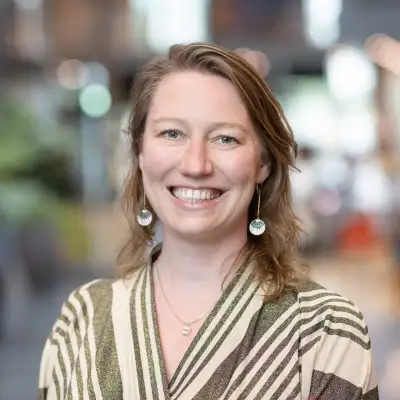
Welcome to a special edition of Count Me In. If you've been listening to this podcast for a while, you know that we spend a lot of time talking to practitioners, researchers, and thought leaders who are shaping the accounting and finance profession. So, today we're doing something a little different. I am a recently welcomed and new Board Chair, and we wanted to make sure that you have a chance to hear directly from the person leading the organization. In this episode, Doctor.
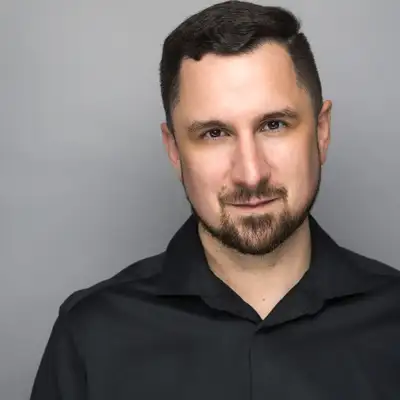
Adam Larson:Brigitte de Graaff will share her perspective on where IMA is heading, what she is working on, and what it means to lead a global community of finance and accounting professionals. Brigitte is an assistant professor at VIA University in The Netherlands, a longtime IMA volunteer, and a passionate advocate for connecting people across every part of the profession. I'm really glad we get to have this conversation, and I think you're going to enjoy getting to know her.
Adam Larson:Well, Brigitte, thank you so much for coming on the podcast. Really excited to have you on here.
Adam Larson:I read an article that, that they wrote about you when you were first coming on to become the chair of IMA. And you said, you know, IMA is something that is woven in your life in so many ways. And so we can start a little bit at the beginning. You know, you were a student, studying accounting and Dutch criminal law. And how did that path lead you to IMA?
Adam Larson:What made you kind of stay?
Brigitte de Graaff:Yeah, that's a, that's a fun question actually, because it is true when I say that IMAA has been woven into my life for quite a long time now. So I was studying at my university and I was actually studying economics and business economics at first. And at some point I needed to make a choice. What am I going to do for my master's degree. And I was also studying law at the same time.
Brigitte de Graaff:So when I decided for my master's degree, I was also, I started working at my university for the executive education department and I started to work for the local CMA program that we have here at the university. It's been around for more than thirty, thirty five years already. So it was one of the first CMAs outside of The US, the CMA programs. And that's actually how I got in touch with IMA. And from that point on, you know, IMA has its way of sort of sticking to you and staying into your life in that sense.
Brigitte de Graaff:So I started working for the CMA program at my university. I got involved in the local chapter, the IMA Amsterdam chapter here in The Netherlands. And actually that showed me a world, which I didn't know exist basically because I got to know so many volunteers, but also so many professionals who wanted to change their career or wanted to get further in career or updates or refresh the knowledge they had of the fields. And that's why they got engaged with the CMA program, but also that's how they wanted to stay engaged with the IMA chapter. So they kind of learned me as in, hey, as a student, I didn't even know this existed.
Brigitte de Graaff:I never spoken to so many professionals, but this was an opportunity for me to, as a student even to get to know all these professionals. So when I needed to make choices in, okay, what am I going to do for my masters? Kind of became accounting was something interesting and also it paired very well with law and then the criminal law is the juicy part of accounting as we all know, right? So that's where I thought I would make the connection. And actually from that point on, I've always stayed engaged with IMA in the local chapter.
Brigitte de Graaff:And currently I'm teaching the CMA program at my university, but also different places for my research that I've been doing. I've always utilized and learned a lot from the professional community from IMA. So it's been sort of always everywhere around me. I made friends within IMA and it's brought me to events and places that I never thought I would basically, attend to. So it's been there for a long time, but I am enjoying every bit of it.
Adam Larson:That's amazing. And I, I think the more, the more IMA members that I talk to, the more interesting it becomes because I realize everybody has a different career path. Cause a lot of times when you talk to traditional accounting people, they say, oh, you start in the big four and you do this is this very set ways. But the more people I talk to are connected to IMA and who are leaders, everybody has a different path. So maybe talk a little bit about what that, how that helped you in your career as you were saying, wait, I don't have to follow the typical accounting, path.
Brigitte de Graaff:Yeah. That's definitely something that I enjoyed very much. So when I was a student, I got to speak to all these professionals that were pursuing their CMA at that moment. And what struck me and what's, what stuck with me also was that they all had a very different background. We had people with an English literature degree who were now apparently more moving towards finance.
Brigitte de Graaff:And I see the same thing right now in my own CMA groups that we have. I have an aircraft engineer in my group, which I would never have expected the person like that to pursue a CMA, but the person like that is pursuing a CMA because he needs more business knowledge. And I have a lot of people with completely different backgrounds, people that just want to grow further on the accounting or finance path that they they've been on for a long time. They want to move towards some more senior leadership position or a CFO position, but also people that come from sales or from marketing or from risk management that feel like I need a little bit more of the rigor in the knowledge that I that I want to bring to my job, I need to bring to my job to even grow in that field, not specifically accounting or finance. And I always thought I was very interesting because when I was at the end of my studies and needed to think as in what am I going to do?
Brigitte de Graaff:You know, the big question, where am I heading with my career, etcetera, with my life? What do I really find important? I didn't want a one dimensional career in that sense. I didn't want to choose. I never wanted to choose.
Brigitte de Graaff:That's why I did two studies at the same time. I wanted to sort of broaden my knowledge and stay in different worlds. I was at that point, I was also doing a lot of travel writing. I was working at a music venue in the evenings that I enjoyed a lot and I was pursuing my CMA myself and I needed to decide, am I going to go into accounting? Am I going into law?
Brigitte de Graaff:And it was very refreshing to see that you don't have to follow this one path that there were so many people at so many different points in their career could still make a decision as in, okay, well, this is what I learned and I'm taking this experience and I'm bringing it into this company and then I'm combining it with finance and accounting knowledge. And I thought it was really inspiring and refreshing to see and also reassuring as in, okay, I don't have to make this decision right now. I don't have to. It's not a bad thing if I take a detour to get to a certain point. It's fine.
Brigitte de Graaff:Everyone is basically doing it.
Adam Larson:I love that. I love the seeing that like, hey, just because the path doesn't look the same, you can still get confident and move in that move the path that works best for you. I think a lot of times people feel like they have to follow a certain direction. It's best to find what works best for you and find what you're passionate about. So I love that you you're able to do that.
Brigitte de Graaff:Yeah. And it's not like you're falling behind if you're not going on the quickest path. It's giving you a completely different experience that you can bring along in your career at a different point in time. So I really liked the diversity of experiences and I I'm also always when I hear people talk about their career and then at some point they're mentioning is, Oh, I used to do this or I used to work there. I'm like, Oh, that's a surprise.
Brigitte de Graaff:That's interesting. Tell me more about it. Because I really like it when people have these different backgrounds.
Adam Larson:So you, you got involved at the, you know, the board member level at your local chapter first before joining the global board. What kind of involvement and what, what, what did that look like as you were getting involved and, you know, what kept you coming back to do it more because doing, you know, doing volunteer work plus doing full time work can, can get overwhelming at times.
Brigitte de Graaff:It can definitely get overwhelming, but it's also very rewarding. I think I really enjoyed the volunteer part of it because it's, it's the same faces kept on showing up at these events at the Amsterdam chapter. We mostly do in person events. That's the benefit of living in a relatively small country and concentrated country in that sense. So, we do a lot of in person events and you would, you know, see the same faces, speak to people, follow their career over the years a little bit and learn from it.
Brigitte de Graaff:And it's what I really liked about the chapter. Got involved while I was still at the end of my, at my masters and still pursuing the CMA. Everyone went through that phase. They were there to support you, to help you. And I was able to learn from them.
Brigitte de Graaff:And it's also a way of sort of learning these soft skills that you cannot necessarily study or learn from a book. You really have to just do it and experience it in order to learn those skills as in the communication and the approaching speakers, hosting events, getting sponsors and making sure that everything's running smoothly. You really need to get out of your comfort zone at times in arranging everything, but getting this, this, this experience really shaped me in a different way. So I would never have wanted to miss it. And it's also very energizing.
Brigitte de Graaff:I think the chapter events are one of the most energizing events that we have because people also spend their evening off or their day off. They are spending it to learn more, to be eager to learn more, to listen to other professionals. And I really liked the community feeling of that. And I think that's also something that always drew me towards the chapter volunteering and the chapter activities. So that's some of those experience that shape you much more than than any of your academic titles in that sense would shape you.
Adam Larson:Yeah. And what, what skill, like what leadership skills have kind of helped you or what leadership skills have you gained from that chapter? You've been able to apply into professional practice.
Brigitte de Graaff:I think that it's, it helped me think much more on what does the finest professional needs in that sense as in as a chapter, you're always looking at, okay, what do our members needs from us? And you want to serve that. And I think before, well, what did I know about a career in finance and at what point you may need, what kind of information and skills, etcetera. So it helped me much more to listen to what the profession needs. And that's something that I'm still applying a lot also in my role, current role within IMA.
Brigitte de Graaff:I think that's really important, but also in my academic career, that's something that's been very important. And that's beside just the leadership skills is in of thinking ahead, thinking more strategically, thinking in a more bigger plan in that sense and not just the nitty gritty details, which take up a lot of your time as we probably all know. And they are very important, but it's good to zoom out at times and to think about the bigger picture. And lastly, what I think that also really, really helped me is thinking about succession planning and thinking about building pipelines, making sure succession, that other people are getting involved, that other people get the opportunity as well. And that's something that I noticed I'm enjoying much, much more these days as well.
Brigitte de Graaff:When I was, well, fourteen years ago, I was the person that was, was being mentored and now I really enjoy the mentoring myself as well.
Adam Larson:Yeah, that's amazing. Well, you need to, it's great to be able to give back and help the next generation to say, hey, you need to come in and step into this role as well. Because if we don't, if we don't show the next generation that, you know, this is, this is a path that they can go, but they can take their own path to this place, you know, like what we were already speaking about, it won't really encourage them because, because as our society continues to change and as technology changes and all that stuff, the path of the next folks won't look the same as our path, but we still need to encourage them to, hey, but we still need to keep this community alive.
Brigitte de Graaff:Yeah, definitely. So I think that's, that's really important. And I, it really energizes when you see people picking up that, that part and really following their own path and either use it for a short time or stay with it for a longer time. But, I'm always very happy to see that.
Adam Larson:I love that. So you've described yourself as a connector. You like, you like bringing the right people together to achieve great things. So help me maybe understand what that looks like in practice. Cause when you look ahead and think ahead as your work as chair that's upcoming, who are the people in the communities that you want most to bring together in the room?
Brigitte de Graaff:Well, being from academia, I think, the academics and the practitioners, they, can be much more connected than they are nowadays. I think it's remarkable for the fact that many of the practitioners come from an academic background because they did their studies, etcetera. So they've lived it, but still that those worlds that at some point when people leave academia, when they are going into the wide world, venturing on their own and exploring their own career paths, That's sort of disconnection gets lost because there is so much that these two groups, well, what connects them in that sense. We're both in the same world. We're both in accounting and finance.
Brigitte de Graaff:And we're trying to figure out things about the world that we're working in on a day to day basis, but just from different angles and maybe at different paces, etcetera. But I think that disconnection can be so much stronger and that's definitely something that I am looking forward to also to bring towards IMA. Well, IMAA already has a very long track record of bringing these two together, but that's also definitely something that I like to see more, but it's not just into academia and practice because it's basically two sides of the same coin, I would say. But also what I mentioned before, right? With the mentoring, having experienced leaders with young professionals, I think it's amazing if they get the opportunity to learn and connect to each other.
Brigitte de Graaff:And also we are a very global organization, but not for everyone. Global is relevant. Most of the networking and the career tracks, they take place at a more local or national level for people. So I think it would be great to see, okay, for those that need it, It's great that you have this backbone of a global organization where IMA can just be anywhere that you need it. But where most people want it to be is in their local communities.
Brigitte de Graaff:I think at some point when it's needed, those leaders and volunteers from the different and members from the different regions together, think that would be great.
Adam Larson:Well, because if you bring the different leaders from the different, regions together, you suddenly have a bunch of people who are leaders but who have completely different experiences. And we can learn from each other with that diversity of thought, that diversity of experience, and be able to grow in your own way and say, oh, this is what you're doing over there. Well, how can I apply that here? Or how does that make sense where I'm working and seeing how you can think of things in a different way, which is huge.
Brigitte de Graaff:Yeah. And it makes you so much more creative. And if I'm looking at my own field and my own research, so I can look from a European perspective on sustainable business management and there's a lot of regulation that has happened there, blah, blah, blah. And that's very interesting, but then you're very much in the silo and you're not really realizing, okay, but then what's going on in a different region? What's going on in China?
Brigitte de Graaff:What's going to heavily impact us? What's going on in India that can heavily impact us or in The U S that will impact us. It also opens up your mind understanding it's a little bit more, even if you're not necessarily in a global leadership role, because a lot of people are not in a global leadership role. Can still help you understand. Okay.
Brigitte de Graaff:So how can these trends and these shifts impacts my organization or ultimately myself maybe? And I love the learning from different perspectives.
Adam Larson:So I like that you mentioned silos because a lot of times when people think about academia and practice, they think they're on they're in their own little silos. The academia, the academics are focused on their research, they're researching things, and then the practice people are like, we're actually doing it. Maybe there's like, are there ways that we can bridge those gaps? Because a lot of times there's no, there's no connection between the community, two communities and maybe IMA is that bridge that can happen. I don't know.
Brigitte de Graaff:Generally academics have their own conferences. They have their own outlets. They have their own community that they're working with. And then you have the practitioners that have their own conferences. Again, they have different outlets, etcetera.
Brigitte de Graaff:Well, for example, for academics, valorization is becoming more and more important around the world. So how do you make sure that your research is relevant for society in that sense? So how can you make sure that your research reaches society and not just a small circle of other academics that we are working with? So that's something that's becoming very important, but also the other way around as a, yeah, we are all in the same field of finance and accounting, and we're basically all looking at in, hey, how are current trends or things that are happening and developing? How is it affecting this sort of ecosystem that we are operating in?
Brigitte de Graaff:How will it affect it? But we have a different angle and look on it because practitioners, they do it, they live it, they develop it during their work day to day work, but also they can learn from what the academics are studying in it. So I think if we make sure that we're bridging it that the experience from the academics that they are brought a little bit more towards the practitioners, but the other way around also the practitioners make sure that they take some time to listen as in, Hey, okay, this is new insights that I can actually use in my day to day job that I maybe can change the way that we're sort of doing our planning cycle. That's maybe some best insights that we're now gathering here because those researchers are usually fed by what the practitioners are doing and their best practices. So it's not a different world.
Brigitte de Graaff:It's just a different experience, but they are siloed because we're not meeting each other at the right place. And that's a shame.
Adam Larson:That is a shame.
Brigitte de Graaff:And also actually what I noticed is for my own research when I was doing my PhD research, it was hugely valuable to have an organization like IMAA that's so very well connected. And I was also showing a big interest in this topic. And I was positioning this topic for their memberships of 40 finance and accounting professionals that I got to be at places, speak at conferences, but also learn from experts in the field that otherwise I would not have been able to. So it's not just a way for a platform to share research insights or learn from practitioners, but it's also a way of making sure that there is like this broader leadership on certain topics is brought together, whether it is practitioners or academics and institutions. So bring all those people together.
Brigitte de Graaff:I think great things can happen.
Adam Larson:I agree. I agree. I think great things can happen. So when we talk about your research, this is a sustainable business. It's something that's growing in places like The U.
Adam Larson:S. And Europe is definitely much more prevalent. How do you kind of bring that research into areas where, and some people think it's just, it's just a little compliance checkbox. I don't have to think more about it than that.
Brigitte de Graaff:Yeah. That's always a shame when people think it's about to check the box, but I know it's very common. It's very common. And that's also what the sort of how they built the system, right? Because make it, make it sort of work because if people have to report then maybe if they have to measure, if you have to measure, you have to know.
Brigitte de Graaff:And if you have to know, you might be doing something with it. But I think it's so interesting that integrated reporting and thinking, which was my research topic that this is much more about. Okay. So how will you address this in your organization? And then ultimately you can be transparent about what you're doing, but it's basically about making sure that you have a resilient business model that takes into account multiple risks, not just financial risk from the financial markets, but other aspects that can impact those risks.
Brigitte de Graaff:Well, over the past few years, we've seen many instances in which supply chains were disrupted. Well, that's a major risk, a material risk that's related to what sustainable business management would be taking into account in that sense. So it's so much broader than just reporting about environmental or social aspects. It's really about how can I make sure that I have a very resilient business model that my strategy is ready for the future and that we are not just saying it, but we're actually living it? That we're walking the talks and that we're implementing this in our own planning and control cycle in our performance management systems, making sure that it's not just written words or an industry would say a paper tiger, which looks very impressive, but doesn't do anything.
Brigitte de Graaff:Basically it will never bite and you want it to bite. You want it to be relevant. So in that sense, I think this topic is so much more than just the compliance exercise. However, because that's just the way it's structured, that it's often starts with the reporting in order to make sure that after people can take the internal action, that's what it looks like for a lot of people. But the interesting part is behind it and it's not a reporting part.
Adam Larson:It really is. And we'll definitely have to bring you back on the podcast to talk about that in definitely more detail.
Brigitte de Graaff:That would be amazing. I can talk for hours about integrated reporting and thinking. I'll keep
Adam Larson:it Yes. Brief You know, it's, it's interesting because as with the rise of AI and everybody integrating AI into their systems, how does that coincide? And, you know, we can definitely dive into this another time, but how does that kind of coincide when you're looking at sustainable business management? Because you can look at the other side of AI where all this energy and the water and everything that it takes to run the AI that everybody's so excited about, you know, what does that look like as somebody who's very passionate about sustainable business?
Brigitte de Graaff:Well, it's, it's difficult, but it's one of those interesting trade offs. That's actually one that should be addressed when you're talking about integrated thinking. So integrated thinking is also making these trade off visible as in, hey, we are using a lot of AI, which has, which uses a lot of energy and water, etcetera. But on the other hand, AI comes up with a solution, but we don't know at this moment. That we need much less of other resources.
Brigitte de Graaff:And it's not a matter of good or bad. So it's not judging in that sense. It's not norm setting in that sense as in so less AI is better than more AI. No, it's making sure that those trade offs are visible and taken into account in the organization before you make a decision on which way you are going and being aware of what the impact is of a decision that you are making. And then using this information in building out your strategy and in implementing your strategy.
Brigitte de Graaff:So it's much more about what you do with the information that you have and how you are making those decisions than that it's saying, this is good or this is bad because really good things can come from using AI in becoming more efficient in your organization, for example. So it's not necessarily a linear trade off that's being made in that sense. So that's the, and that's the interesting part of doing business, right? And making these kinds of strategic decisions as in, okay, Hey, we can actually move in this direction, which can be very exciting. So these trade offs are often where, where the, the tension is, but also where the opportunities lie.
Brigitte de Graaff:So that's the interesting part, but yeah, I mean, it's undeniable that technology and AI, it brings their own set of new challenges with them.
Adam Larson:Well, the tension is where the most beautiful things are built. Obviously, like everybody knows the story of a diamond. A diamond is the tension of like thousands, millions of years of like pressure of rock. Then suddenly this beautiful diamond comes out. And so we kind of need those places of tension.
Adam Larson:Everything can't always be hunky dory and, oh, we're just everything's so good. You kind of need those places of tension to have amazing innovations within organizations. Yeah, definitely. So we could talk about that for hours and hours and we'll bring that back to this conversation because I think it'll be really interesting to bring that into the conversation. But when thinking about IMA as a community, you know, you, you really want to help build IMA's global community, you know, connecting all the different members and universities and businesses and accounting bodies from all over the world together, which is a very ambitious, you know, what does success look like for you at the end of your cheer year and you know, what do you think would have made you feel like you moved the needle a little bit?
Brigitte de Graaff:Yeah, no, I mean, you need to set the bar right at some point. So building these bridges and connections, I think that's, that's something I would really like to strive for. But of course, I mean, realistically, there's only so much you can do in a year, of course. But what's interesting is that now we are in the upcoming year, we're about three years into the renewed strategy from IMA, which is a very interesting point as in, hey, okay, where did it bring us and what can we do better? What did people experience and how has it served our membership and what do we need to change?
Brigitte de Graaff:Is there anything that we need to change and which direction are we heading? Because the world is changing so quickly, IMA really needs to be flexible and adaptable to whatever is happening in that sense. So I think making use of this momentum, this natural point of reflection, I think that's something that's really interesting. In the different capacities in that sense. So in my role within IMA, but also in my role in my university in which I'm speaking on a basically day to day basis with CMA candidates and CMA alumni, I'm getting a lot of feedback and information on how they are experiencing things, what IMA brought them and what they are looking for basically.
Brigitte de Graaff:So I think that's really interesting. And what's, what's the fun thing is that, that can be different in different regions as well. Not too long ago, I've experienced the very bustling volunteer life within the Indian community where a lot of very active, very large chapters are doing great things and having a lot of energy while there is completely different kinds of events being hosted. For example, when I'm looking at my own area and a lot of the European chapters, and I know from the events in The US that there is a lot of activity and online events going on, but also that there are people that pour their heart and soul into IMA for decades. And I think there must be a place for all these people.
Brigitte de Graaff:And I think within IMA, all these people must still feel at home in a changing environment and a changing organization. They must feel IMA, that's the place where I want to be, where I need to be, where I have my network, but also which will be there for me at whatever point I am in my career with relevant information, with relevant networks, with relevant insights or thought leadership. So if there would be in any way that people, more people would feel at home within IMA, wherever they are based in the world, that's something that would have moved the needle for me after my career.
Adam Larson:I love that. I love that, that connection, that way, wherever you are, just plug in and feel connected. And, you know, like I, what I, my goal with this conversation is, you know, to, we're going to start doing this where we kind of like, we want, we want the members of IMA to, you know, really hear and understand who's leading the organization, the next person who's leading us. And so for that person who might be, who might have been a member for a number of years, hasn't really fully plugged in yet, whether to a chapter or volunteer or any of it, like what would you say to them if they could, if you could talk to them right now personally?
Brigitte de Graaff:Just go on the adventure. That's basically what my best advice would be. I mean, there's so many different kinds of opportunities and of course it needs to fit into your life and into your career. But I think go on the adventure. You never know what it will bring you.
Brigitte de Graaff:It might bring you a lot of knowledge. It might bring you a certification. It might bring you a new volunteer and leadership development opportunities. It might bring you just some great friends that you have somewhere in the world. There's so much that it could bring to you.
Brigitte de Graaff:And if you have some time to spare, in no matter what capacity it is that you can, can jump on the wagon, basically, I think it's, it's great. There's well, a lot of people know there's nothing better basically than giving back to the community that gave you some opportunities or that gave you the kickstart of your career that you needed maybe at that point. So I think if there's any way of using that knowledge and experience that you had, straightforward or very unique career that was, there's room for all these different stories within IMA and for all these different paths within IMA. So I think if you are open to the adventure, just hop on the train.
Adam Larson:Hop on the IMA train. I love that.
Brigitte de Graaff:On the IMA train. Yes, that's right. Hop on the IMA train because it tends to go at a very fast speed. There's so much happening, which must be in this quickly changing environment that we're all talking about is bustling environment that we are in and these huge technological changes and challenges, etcetera. It must be a very fast train, but it's therefore also a lot of fun to be on it.
Brigitte de Graaff:Yeah.
Adam Larson:Well, Brigitte, thank you so much for coming on the podcast, for chatting with me and for helping share, you know, your goals for IMAA this, this coming chair year.
Brigitte de Graaff:Thank you very much. It was my pleasure.
Announcer:This has been Count Me In, IMA's podcast providing you with the latest perspectives of thought leaders from the accounting and finance profession. If you like what you heard and you'd like to be counted in for more relevant accounting and finance education, visit IMA's website at www.imanet.org.
Creators and Guests