Ep. 354: Jennifer Pinder - Surviving Check and Wire Scams in a Digital World
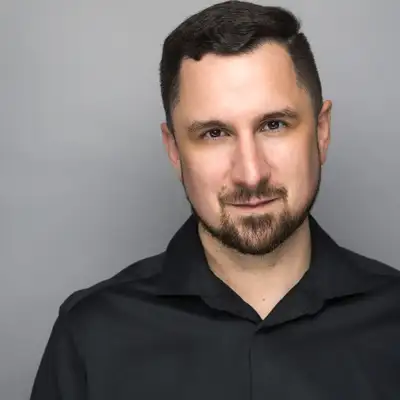
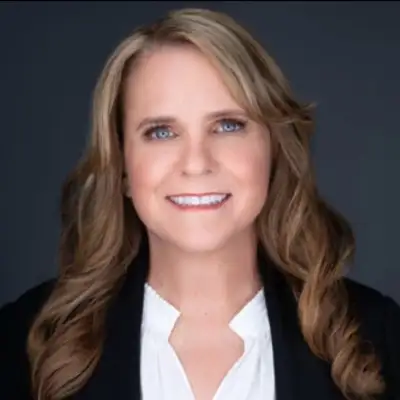
Welcome back to Count Me In. I'm Adam Larson, and in today's episode I'm excited to introduce Jennifer Pinder, Controller for Watchdog Real Estate Project Management. Today's conversation is connected to IMA Shared Interest Groups, which bring together professionals from around the world on shared topics and talk about real world challenges. Jennifer's journey spans traditional accounting, small business ownership, and a specialized focus on fraud prevention, giving her a unique, all encompassing view of how fraud impacts small businesses from the inside out. In our conversation, Jennifer opens up about the real incidents of fraud that she's encountered, from check washing to digital scans to wire fraud and internal theft.
Adam Larson:She explains why bank fraud is more sophisticated and faster moving than ever before, often leaving small businesses especially vulnerable. So stay tuned as we incredible critical steps every small business should consider to safeguard their operations in today's digital world. Jennifer, I'm really excited to have you on the podcast today. We're going be talking about bank fraud, especially within small businesses. But before get to the wonderful stories that you have, I'd kind of like to just start with you walking back to a little bit your path in the accounting and finance world.
Adam Larson:What pulled you into the profession and how do you end up at this intersection of small business management, accounting and fraud protection?
Jennifer Pinder:Sure. I started out on a very traditional path to graduated with an accounting degree. I worked my way up in an accounting department. I was a supervisor. And then when I had my first daughter decided to stay home.
Jennifer Pinder:And so I stayed home for fifteen years to raise my three children. And then once I decided to go back to work, I didn't go right back into accounting. I opened a small business and it was a huge learning experience for me. I gained so many valuable skills. It was challenging.
Jennifer Pinder:At times it was painful. But overall, I just got to see things from the whole business perspective. Like I wasn't just seeing the numbers now. Was seeing the cash flow, the survival, the pressures and fraud prevention fraud prevention came into focus because in small businesses, you see everything. You don't have those layers of protection.
Jennifer Pinder:So I ended up returning to accounting after like doing that for quite a few years. And then I just, this became something I experienced a few times and it just became an interesting topic to me. So that's how I landed on it.
Adam Larson:Well, that's awesome too. You know, you were able to take your accounting knowledge and then suddenly see the bigger picture as a as a leader of a of a small business and running a small business. I love that you had that experience because when I talk to a lot of accountants, they love seeing that they love transitioning from, hey, I'm just working the numbers and maybe doing some FP and A stuff to actually seeing the full big picture because they suddenly see, oh, this is how accounting works in that big picture, that business strategy, like that business strategy side that we're all talking about. But until they actually experience it, it's kind of hard to see it sometimes.
Jennifer Pinder:It is. It is hard to see. And then when you're living it and you're waking up in the middle of the night because of it, then you're like, I see the whole picture.
Adam Larson:Yeah, totally. So you wrote an article called Old School Banking and Modern Fraud. So maybe we can talk a little bit of like help me understand that idea because at the surface you think technology would make us safer, but, it doesn't seem to be the case.
Jennifer Pinder:Right. So yeah, it is interesting because bank fraud still happens. And so when I started to write this article about it, like a few people were kind of like, what's new? Like, isn't that like old school kind of, you know, topics? And I, and so I thought about it and I thought, well, how can I frame this article?
Jennifer Pinder:Because the methods are old, but the scale and the speed that fraud is happening is new. So check fraud, impersonation, fake payment instructions,
Adam Larson:none
Jennifer Pinder:of that is new. What's changed is how much easier it is for fraudsters to execute and how fast money moves nowadays. So technology did not eliminate fraud and small business made it more efficient. So what used to be like local and more clumsy is now more targeted and polished and scalable.
Adam Larson:I mean, that's definitely scary, especially as a small business. Every check that you get, every check that you write is very, very important.
Jennifer Pinder:Yes.
Adam Larson:How, you know, and things like, you know, you mentioned check washing, you know, how can, like people are still doing that even in what today, is it easier to do it now?
Jennifer Pinder:Well, so in the old days, people you used to literally, they used to put something on the check like acetone or something to actually erase the name. So that's why it was called check washing. So nowadays they don't have to wash the check because who actually goes to the bank and deposits checks anymore? It's all digital. You run it through a So now people can use tools like ADI or AI or PDF editor, and they can edit the checks and they can make a check that looks completely non suspicious and they can deposit it.
Jennifer Pinder:So it's really because people are still sending checks, which most small businesses are that they're able to do it easier than, you know, washing off the name and filling in a new one.
Adam Larson:Yeah. With the right software, could do just about anything these days.
Jennifer Pinder:Well, exactly. And that's the scary part because most small businesses don't have the budget for some advanced fraud protection software. So that's still catching up and the banks are slowly catching up as well. But the fraudsters, I mean, this is their full time job. So they're, they're on it.
Announcer:Well, and it's almost like that the I think
Adam Larson:you mentioned this in your article that the fraud landscape is kinda like a race where, you know, we can move fat like, who can move faster? The fraudsters, the people trying to stop them. You know, from where you're sitting, who's winning right now? Does it look like, you know, does it look like the fraudsters are gonna win or like, can we can like small businesses catch up?
Jennifer Pinder:I don't think in the long run, I don't know that the fraudsters will win, but I would say right now they're ahead when it comes to small business. Larger businesses have those more advanced softwares and they have just more tools at their disposal. Most small businesses, they're not focused all their efforts on preventing fraud. They're focusing all their efforts on, do I have enough inventory? Am I gonna make that sale?
Jennifer Pinder:You know, when are which employees are working when? So the fraud just becomes an added responsibility for them. And so right now the fraudsters are ahead because they only need to get you once the businesses, you have to get it right every time someone targets you, which is a lot and you have to have that guard up. And so what you have on in small business is you have a lot of overwhelmed teams on the ground. Sometimes there's too much trust just because maybe of the size of departments or not enough people and not enough verification.
Jennifer Pinder:So right now I'm gonna go with the fraudsters are winning. So I'm hoping that flips a little bit as tech as the technology catches up and is more accessible to everyone.
Adam Larson:Yeah. Well, and I I don't want to leave our audience distressed. I I do know that we'll come to some solute. Well, I'll give them some solutions and pointers. But before we do that, you know, you've experienced fraud firsthand and people trying to get fraud happening around you.
Adam Larson:And I think it'd be really cool if we can kind of tap into some of those stories.
Jennifer Pinder:So I was hired as this is when I was moving from my small business back into my accounting career. I didn't really know how to break back into accounting. I literally reached out to a temp agency. And so they said, oh, we have this company that needs bank recs, very large company, many bank accounts. They've got lots of accounts that just aren't lining up, like they're having trouble reconciling them.
Jennifer Pinder:So, was basically brought in to help catch them up on their bank reconciliations. So they had a large team, but the team was doing so many things. They were using, an auto matching system. And so the way the auto matching system works is it will match based on certain conditions and then it will spit everything else out into the report of what doesn't match. And then a person, an accountant has to manually clear those differences.
Jennifer Pinder:So you might click like, okay, this transaction matches that one. And so, but what was happening is they just, they couldn't reconcile it. And so when I was working through this process, the first thing I started noticing was that some of the match transactions really shouldn't have been matched. So not only did I have these unmatched sets of data, but I had to begin unmatching to rematch it. So once I kind of got in the hang of it and I was getting, you know, the matches down, I saw that some deposits were recorded in the books that had never hit the bank.
Jennifer Pinder:And so as I began to dig in, I started noticing a pattern of this one particular location. I couldn't find any of their deposits on the bank. So I, because there were so many accounts, went to the person I was reporting to and I said like, Hey, is there a chance that maybe these are going to a different bank, one that I'm not having access to because, you know, I'm not seeing them. And he said, No, it has to be there somewhere. It's gonna be, it should be this account.
Jennifer Pinder:And so, you know, I was only there a few weeks. So I was like, okay, I'll go back and keep working on this. So as I kept working on it, it became super clear to me that these deposits were not going into any one of the banks that I was dealing with. So again, I went to the person I was reporting to, and I said, like, I can't find any other explanation. None of these deposits have hit the bank.
Jennifer Pinder:And at first he was like, oh no, that person has been with us for twenty years. They're completely trustworthy. And I was like, okay. I said, so then I kind of started thinking, is he in on like some kind of collusion here because he wasn't like, that should be alarming. And he was like, no concern, you know, he was like, oh, no, it's it's fine.
Jennifer Pinder:And so then I was like, okay, well, maybe you can help me then. Can you tell me where I can find these deposits? Because here's all the deposits in the general ledger and they're not on any of the bank statements that I have access to. Now granted, there was probably 30 more bank accounts. So at that point, I wasn't sold on that.
Jennifer Pinder:It was fraud. But then when I asked him to explain it to me, he was like, oh my goodness, I I think we need to look into this further. So he immediately went to the person in charge of operations and they asked started asking this person for information and then it just unfolded from there. This person said that he went to the bank every Friday and that he was making the deposits and the bank just wasn't giving him a validated deposit slip. And so then they went to the bank, the bank pulled all the cameras.
Jennifer Pinder:This person had not set foot in the bank, like any time in the past, however many months they reviewed. And it just, they they called the police and he was arrested. And so it was just this crazy thing because then I had to prepare all of the court doc you know, I had to prepare all of the court documents to the evidence. Sorry. I lost my kind The of evidence for the court case because he was still saying he was innocent.
Jennifer Pinder:And then right before, like a few days before the trial, which I was set to be the key witness at the trial, a few days before the trial, his attorney said that the evidence is overwhelming. You need to change your plea. So he did. So he pleaded guilty and he was convicted of a felony and he had stolen at least $80,000 just based on what we went back to uncover.
Adam Larson:Wow. Well, and I think a lot of times fraud gets undetected because people have that mindset. Oh, that's so and so. Oh, they would never do anything. There's that assumption that even though they've been trustworthy, people kind of get that idea that, well, I've done it right for so long, but I'm allowed this.
Adam Larson:It's okay.
Jennifer Pinder:Well, yeah, it starts small and that's how it always starts. And that is how it started. The further I went back, I could see, I came to the period where he was making some deposits. He wasn't making all of the deposits. Then the further you went back, he was making more of the deposits.
Jennifer Pinder:So at some point he probably started by stealing $5 and then that didn't get caught. So then maybe he stole $20 and then that didn't get caught. And then it went to the point where he just completely stopped because sometimes in a large company, if you've got that many accounts and that many people and the system is supposed to be full, it's not foolproof because you have humans doing the matching and if you bulk match things, there's always that timing gap in banking. So you can't just assume if you have like a 100,000 here and a 100,000 here, you can't just say those $100,000 list of transactions match because you might have another 50,000 that hasn't, that's hung up in timing, not deposited or not recorded. So that's where the timing is where it gets you, gets people into bank recs if they're not done properly.
Adam Larson:Were there some things that you noticed as you looked into this that maybe created that environment at that organization for it to go undetected that long?
Jennifer Pinder:Absolutely. There was actually it was a combination of things. So it was really interesting. One, there was a clerk who was posting those payments into the general ledger and the clerk wasn't either wasn't properly trained or didn't follow the protocol. I don't know how the clerk was trained because I I wasn't there.
Jennifer Pinder:But the that the person who was stealing was submitting the handwritten deposit slips. So he he was submitting a deposit slip that says I deposited $3,000 today, but there was no bank validation, but the clerk just didn't that did not trigger the clerk. So that was the first failure is that the clerk went ahead and posted the deposits and not realizing that they weren't validated. So that was the first one. The reconciliation process broke down because the staff that was available didn't have, I guess, time to, I mean, it was hundreds of thousands of transactions.
Jennifer Pinder:This was not like a small, this wasn't so much of a small business. This was a lot of transactions. They were bulk offsetting because they, one, I don't think they realized this was happening. And two, they just, you would have to have someone full time just devoted to that job if you were gonna match that many transactions. So that hid the discrepancy as well.
Jennifer Pinder:And then as I mentioned before, the timing because they had matched things and then later things would come in and it just kept pushing. It just kept pushing the variance back so nobody noticed it because when you're pushing things with timing, it just keeps getting pushed out. So it was kind of three different things, and it was really just built on small compromises over time that nobody was aware of.
Adam Larson:Well, and and as you were as you were telling the story, it made me think of a couple of things. One, you know, the importance of having good internal control within your organization to make sure like that the one person is putting into the general ledger, you know, are you there like, is there something a step that could have gone in place to fix that? And then the other thing is, is is the importance of having the right technologies, the right people in place to make sure that, you know, I, you know, I can understand from, from your explanation alone, I can understand why people switch to the continuous close because they're constantly reconciling with the bank real time to make sure that they're coming up there. And also the importance of having a good close process to make sure that everything's reconciled properly. It seems like if those things were put into place, would have never been able to happen.
Jennifer Pinder:Yeah, it was definitely a challenging situation. And once I got into it and saw it, I could see where the breakdowns happened. But I think the overall thing that also might've helped is if someone who wasn't doing the matching, just took a second look at the matching so that they could see, because if somebody at a higher level had reviewed the matching, they would have seen like, oh, somebody just mushed all these thousands of transactions together instead of reconciling them. But at the same time, I think the comp they might've needed a better system because to be fair to all the employees, there was way too many unmatched transactions. So I think the way that the matching software was set up, it wasn't matching enough transactions, which left dumped thousands of line items on the old, like on the team.
Jennifer Pinder:And that wasn't even their job. Like they still had all of their other accounting duties. So it was literally one of those where so many contributing factors led up to it.
Adam Larson:Yeah. So, you also experienced, where a client wired money to a fraudster like wire fraud, you know, and for me, this is this really hits home because I had a friend who had got a call from the bank and the bank was the person was saying, oh, you know, you had some transactions and the person was reading transactions to this person. They never gave any information. They're like, oh yeah, yeah, that was my transaction. And by having that conversation, suddenly $10,000 was taken out of their account wired to a place never to be found again.
Adam Larson:And so maybe you can talk a little bit about the experience within an organization about, you know, because I know it's happening to, it happens to individuals as well as organizations.
Jennifer Pinder:It does because you have that comfort level because you often feel like it's a known, it's a known person or a known company. So I had sent some of our banking information to one of our clients and this was like a, this was a few years ago. And at that point I didn't, we didn't even, I believe have, or our company didn't have encrypted mail or it wasn't set up or I didn't know about it. So I just emailed them the banking information and our side wasn't compromised, but the person who was receiving the side had been working from like an airport or somewhere where they were assigned it to the wifi. So what happened was somebody intercepted that mail.
Jennifer Pinder:So they did get my original email, but whoever intercepted it immediately changed information using like a PDF editor and they resent it to the person with a with a very lookalike email to mind. It was not exact, but it was lookalike enough that the person receiving it wouldn't have noticed it. And it just said, Hey, sorry, I sent you the wrong information. Please use this one instead. And so the company, they didn't, they didn't do any verbal verification and they actually sent the money to the wrong defraudster.
Jennifer Pinder:And then about a month later, when I went to call, make a collection call, because we didn't know, we didn't know any of this had happened at that time. So we, we just thought, okay, they haven't paid us yet. So when I reached out to them, they said we paid that we paid that on such and such date. And then I checked the bank and I said, well, we don't see it on our side. Can you please let me know where you sent it?
Jennifer Pinder:And then once they sent me the like the last four digits of the account, I said, that's not our account. Where did you get the information? And then they sent me the lookalike email. And so I immediately called our IT manager over and we found we could see the lookalike email difference and we saw there the form that they, you know, they had changed. And so but that money was never the money was never recovered.
Jennifer Pinder:So it was just, you know, it was, again, it was a combination of things because at that point, I didn't I wasn't really even aware of using encrypted mail or things like that. And our system was always very secure. So I guess like I felt like sending emails back and forth was secure. And on the other side where it got intercepted, they then they didn't call to verbally verify the information with us. So we had no idea it had happened.
Jennifer Pinder:And that and that happens a lot because the fraudsters, they make those fake emails, they make them look very realistic.
Adam Larson:They sure do. You know, so, so you talked about like, they had called you, that would have been something that would have would have helped. Are there other things that they, that the client could do that you could, that maybe as if you're sending payments out or you're getting payments from people, you can say, Hey, these are things you can do to make sure that you're not compromised either.
Jennifer Pinder:Right. I mean, I think it's, the biggest step they can do on their side is calling a known number to verbally verify. You don't want to call the number that's in the email because obviously the fraudster put their own number, but you want to call a known number for the company and just have extra, Hey, we just want to confirm the last four digits of your account are, you know, are this. That's the biggest step on their side. And then on our side now, I always send things encrypted mail.
Jennifer Pinder:I have all of the PDFs like locked. I mean, somebody could still print it, edit it and upload it. So it's not foolproof. It just makes it harder. And the encrypted mail helps because it's again, it's it's they couldn't break into that.
Jennifer Pinder:Now they could still send a lookalike email that says, hey, pay us. So, in that case, the client really has to verbally verify.
Adam Larson:Yeah. You know, in the same sense of wire fraud, you, you also had a situation where something fell off about an ACH payment, even though it looked legitimate. Let's talk a little bit about that because you've had the experience up until this point, you know, so what, what, what was that gut feeling look like?
Jennifer Pinder:Well, it was interesting because I believe this was within a year of when the previous incident happened. We have a vendor that we pay annually and it's, it's a pretty substantial payment because we're paying for a service for the entire year. And so I received the invoice and they email the invoice, which I know. And then within maybe a couple of days to a week later, received the invoice again. And it said, please note our new ACH information, please pay this way.
Jennifer Pinder:And then it said something like, I don't know. Just, I looked at it. I looked at the sender, everything looked exactly legit. Like there, I sat there, I stared at it, I went through it, but like something about it just was like, okay, this happened. I know this happens.
Jennifer Pinder:So I'm not going to pay it. And so what I did is I reached out to the real company using their known information. And I said to them, I received this email and it feels very suspicious. And it's asking me to send the payment to different ACH. And they confirmed that that was not them.
Jennifer Pinder:And they asked me to send them the email so that they could investigate whoever was because I'm sure we weren't the only people who received that spoofed email. And so, and obviously there was some kind of breach somewhere because how were they able to know how much we owed the company? You know, it was all the details were there of how much we owed this company. So I don't know where the breakdown was on that particular one, but I know that it just triggered. It just triggered something in my gut to just say, like, this doesn't feel right.
Jennifer Pinder:So I'm just gonna take that extra pause to to question it because you you can get so busy that you're just doing, doing, doing, and you you really just need to not ignore that feeling. Just pause and verify.
Adam Larson:Yeah. It never it never hurts to pause and verify even if it just takes a simple phone call five minutes of your time. Yep. Hey, I'm just verifying this. It was your cool.
Adam Larson:It was you. Great. Exactly. But you know, it never hurts to check and verify because you could save both sides thousands of dollars.
Jennifer Pinder:Exactly. And a lot of times too, what happens is you don't catch the fraud for a while, because let's say I had paid fraudster. Well, that other company, they may not have called us for thirty days. They may not have called us for sixty days, you know, and by that time, by the time you realize that it happened, it's could be often too late with the bank and you could have missed that crucial cutoff time to report the fraud. And by that thirty days later, I mean, that money is long gone.
Jennifer Pinder:It's, again, there's lots of things that play into the fraudsters favor with these scams.
Adam Larson:So one, one of the things we talked about when we first started chatting was about checks, you know, in your article you mentioned that it still accounts for like a third of the losses at financial institutions, which is insane to me. Like it, and it's so funny because as I, as technology has moved on, I'm like, do I really have to write a paper check? Wait, do I still have any of those? Like you're looking somewhere to find it, but some businesses still heavily rely on checks in, you know, and you've had bad checks that you've seen before for small businesses that are still using checks. Are there things that they can be doing right now that most aren't to help prevent this fraud?
Jennifer Pinder:The biggest thing that small businesses can do in the most cost effective way is use the positive pay service that their bank surely offers. Think just about every bank now offers a service called positive pay and there is a small monthly fee for it, but it's not, it's not substantial. And so what positive pay is, is there's a few ways you can manage it. You can if I do a check run, I can upload that check run to the bank. Included in that upload will be the date, the check number, who we're paying and the amount.
Jennifer Pinder:So that's in the bank system now. So if somebody presents that check to the bank and something doesn't match, it will trigger it. So every morning when I log into the bank, I will see a notice of checks that need to be approved. So if something was a mismatch, I would have to manually say yes, approve this check. And then if I didn't write that many checks and I wasn't uploading them because that just felt like, seemed like a lot of extra work.
Jennifer Pinder:I would just have to check every day. So if I send one check, I would just have to keep an eye on the bank to see like, did this check clear and pop up in the positive pay, but it's very easy to use and you can upload, you can manually enter, or you can just approve as things come up, but it gives you that chance before the bank clears it. You have a chance to lay eyes on it. And if you just make that a habit every single morning and they only come in in the morning, so you don't have to keep checking your bank all day. It's one of the most effective tools available.
Jennifer Pinder:Many small businesses still aren't using it and maybe don't know it exists because maybe they haven't been hit with a stolen check yet, But it's, it's, that's the easiest, most cost effective way that small businesses can work around this.
Adam Larson:Yeah. Well, it's almost like for consumers, they have the bill pay where you can just say, hey, bank, you know, send it, send a check for this amount to this thing. It's kind of that same that same feature that I've seen I've seen on in other in other banks as well. So, you know, I think that's a that's a great first step for people who are trying to get their feet away because it's difficult for business owners. They're stretched thin, you know, they don't have a lot of They might not have a full dedicated, you know, finance team, you know, so having that layer of protection to help you is is can definitely seem achievable.
Jennifer Pinder:It is. It's not, it's not an intelligence gap with fraud. It's an attention gap because everyone is so busy and doing so many things and it's just, you have to be paying attention because it's happening and it's happening at alarming rates.
Adam Larson:It is an. What's your advice to somebody? Maybe they're listening to this conversation. They're like, well, I'm trying to play close attention, but we may. They might not have a culture that supports sharing like, hey, there's an issue with this check.
Adam Larson:Leadership might not be open to these things. What advice would you give somebody who is like who's seen this and they're like, I need to do something. What's that first step that they can do?
Jennifer Pinder:The first step is to shift your mindset from just processing things to just questioning them. Right? We just have to be hyper alert and just even if nobody will agree to add any services or do anything, you just have to make sure you're not just processing because we know accounting can be processing a lot of transactions, information, reporting. So you have to shift your mindset from processing to questioning things. So, it is easy to be in that rhythm of just getting things done, but fraud lives in the details people don't question.
Jennifer Pinder:So if something doesn't make sense, pause. That's the first step in protecting the business. And if you can afford the positive pay, which again, it's it's very inexpensive. I mean, I think it's like $30 a month or something. Every bank will be different obviously, but that's but just again, paying attention when you send emails, send them encrypted.
Jennifer Pinder:If they contain any information that, you know, could be used in a malicious way and just, you know, general precautions, just being hyper alert.
Adam Larson:Yeah. It seems like, you know, when you're, when you're a small business and margins are tight, you know, the idea of an extra $30 a month can, can seem overwhelming. Know, what are, what advice would you give to folks who are have those tight margins? You know, they want to set things in place. So, you like, you know, changing mindsets.
Adam Larson:That's great. But what you know, how do they keep catching these things if if they can't afford to spend the money on an extra software or something else?
Jennifer Pinder:I mean, I would say when it comes to the positive pay, you almost can't afford not to. Yeah. Because it's the losses could be so it's kind of like having insurance. Like, would you not have insurance on your small business because you can't afford it? Well, then what if your business catches on fire or, you know, something along.
Jennifer Pinder:So you have to think of it kind of like insurance. And if you really couldn't afford it, if you were so struggling that you couldn't scrape up that $30 then in that case, my advice would be to you go onto your bank account every single morning and pull up the image of every single check that cleared that day and look at it. Is that who you issued it to? Is that the amount like you could you could implement your own positive pay system if if you really, really couldn't swing any more expenses. But if you can think of it like insurance, because if you send $15,000 check that gets stolen and you don't recover it, Well, how long, how many years did you just pay for your positive pay?
Jennifer Pinder:I mean, that's probably decades.
Adam Larson:You know, Jennifer, thank you so much for being here. Really appreciate you sharing your knowledge with our audience. It's been great learning from you and learning from what you've seen and the fraud that you've seen and how you've grown from it. And thank you so much for sharing with our audience.
Jennifer Pinder:Thank you so much for having me. If there's one thing I would leave people with, it's that fraud doesn't happen because people aren't smart. It happens because people are busy and in small businesses, often the same people responsible for growth are also the people responsible for control. So the real protection isn't complexity, it's attention. So slowing down question, what doesn't feel right and just be alert.
Jennifer Pinder:And every one of these stories started the same way. They all looked like normal transactions until they weren't.
Announcer:This has been Count Me In, IMA's podcast providing you with the latest perspectives of thought leaders from the accounting and finance profession. If you like what you heard and you'd like to be counted in for more relevant accounting and finance education, visit IMA's website at www.imanet.org.