Ep. 348 - The Power of IMA Shared Interest Groups: Leadership, Collaboration, and Practical Insights
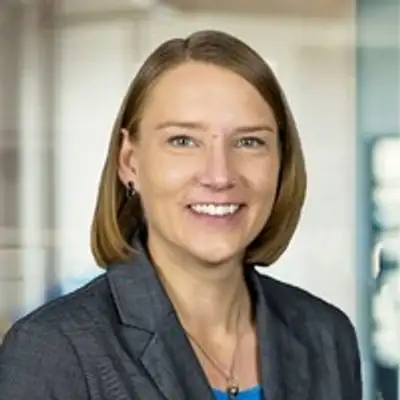
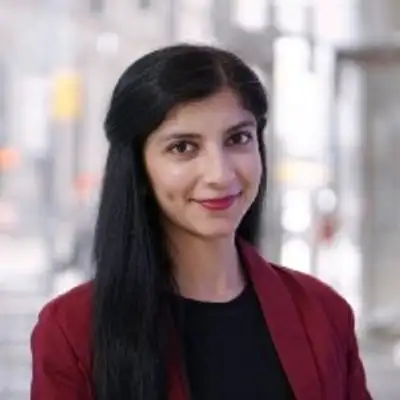
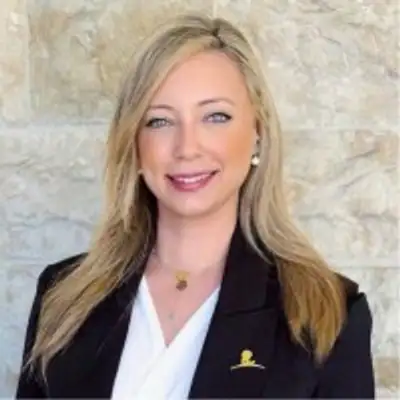
Welcome to Count Me In. In today's episode, we're joined by Amanda, Tala, and Izz, leaders from three of IMA's shared interest groups covering topics of small business, professional ethics, and people and culture. In this engaging conversation about the power of community within IMA, you'll discover how shared interest groups transform IMA membership from a professional association into a global interactive network where members and nonmembers alike can connect, share, and grow. You'll hear inspiring stories about why our guests were drawn to their respective groups. Learn how volunteers balance leadership roles with their very busy careers, and find out how these shared interest groups help their members address real world challenges from ethical dilemmas to workplace culture to unique issues facing small businesses.
Adam Larson:So whether you're curious about practical examples, looking for flexible ways to get involved, or wondering how to join, this episode offers an inside look at how IMA Shared Interest Groups foster meaningful discussions and support for professionals across the globe. Well, Izz, Tala, Amanda, thank you so much for being here. We're so excited to be talking to leaders from some of IMA's shared interest groups. And maybe to start off, for anyone who hasn't heard of IMA shared interest groups, can you maybe paint a picture of what they actually are and what makes them different from just being a member of IMA?
Tala Khalifeh:Hi, Adam. Thank you for having us today. So the way I see it, a shared interest group is really where IMA shifts from being a professional association to becoming a community. Think of IMA membership like joining a great university. You get access to the campus, the resources, the network, and that's already incredibly valuable.
Tala Khalifeh:But a shared interest group is like joining a specific faculty within that university. It's a focused group of people who share a deep passion for one particular subject. They meet regularly. They discuss subject related issues. They share ideas and perspective and learn and grow together, but on a global scale.
Tala Khalifeh:What makes the shared interest groups different is the depth of engagement. As a general IMA member, you benefit from a broad range of resources. But in a shared interest group, every webinar, roundtable, article, every discussion is centered around one topic you are gen genuinely interested about. So it's more interactive. It's more focused.
Tala Khalifeh:And, I I feel it's more personal. So and, also, the fact that it is a virtual platform, it makes it even more powerful. You can connect with professionals from anywhere in the world at any time without any geographical limitations. And, here's something that is worth highlighting. You don't even need to be an I'm a I'm a member to join a, shared interest group.
Tala Khalifeh:The door is wider than, most people think, and that combination of virtual access and open membership is one of the most powerful things about this particular initiative. It helps us connect, globally.
Izz Ghanaa Ansari:Yeah. And I'd like to jump in and add just, you know, the analogy that Tala gave, of it being like a university. That's that's a great analogy. And if anyone wants to relate to a similar analogy, like, I would actually also think about them as, like, Facebook groups or Reddit communities where, you know, get interest come together and, like, they share their experiences, disagree with each other as well. So I think that's a great way to form a community.
Izz Ghanaa Ansari:And, also, as Tala said, like, it's open to nonmembers. And if there's any, you know, IMA members who are listening right now who have colleagues who, they think would be interested in, you know, these, shared interest groups, I would say don't gate gatekeep this information. I think you should relay this information to your colleagues, and I think they'll greatly benefit from it as well.
Amanda Bernard:Yeah. Very well said. I love the analogy. I always think of the CIGS as just a platform, an avenue to ask questions, provide your point of view, and just share your experiences. We really are just a community centered around one particular interest.
Adam Larson:That's awesome. Well, I love the fact that it is virtual. We can all we're having this conversation from four different locations around the world, which is an amazing ability to have that conversation and to be able to talk about those things and to connect with somebody who might be on another part of who might be in a different country or in a different part of the country that you're in and be able to connect with that person and and have the ability to talk about a topic from their from a different perspective. And I think that's a that's a beauty of a community as well to say, hey. This is from my perspective.
Adam Larson:This is how I see the topic. And then somebody else in a different part of the world say, well, this is from my perspective. And you can learn from those people. And I think that's that's another aspect that you guys have been chatting about, which I think is amazing. Now, when you think about the SIGs, maybe you guys can think back to walking back when you first heard about the SIGs and you said, hey, that's something I wanna spend my time.
Adam Larson:And what what kind of made you what pulled you into being wanting to be a part of it?
Amanda Bernard:As part of the small business SIG, my role is really to see what those issues are that people are dealing with. I work as a service provider to small businesses. So for me, I get to see what my clients might be interested in dealing with, what issues they're facing, and it therefore gives me a better ability to serve my clients as well. So that was the initial pull towards the small business group as a whole.
Izz Ghanaa Ansari:Yeah. And I think in general, you know, I've always enjoyed volunteering with IMA because IMA as in general, right, you know, actually generally invested in my leadership development over the years, and I do believe in giving back in a meaningful way. But apart from that, you know, I myself moved away from home thousands of miles away from home to a new country, started a career in a completely new unknown territory. Going through all that, I it gave me a firsthand experience of how inclusion and a sense of belonging can make a difference. And that's why when I saw this opportunity to actually not just be a part of the people in culture sake, but actually lead it, I thought it would be a great intersection between, you know, my personal want to give back and also to engage in conversations that are real and personal, something personally that I resonate with.
Izz Ghanaa Ansari:So that's that was, I think that was the intersection that helped me decide that this is something I want to get involved in.
Tala Khalifeh:I can totally relate to what Izz is saying. I've actually been on the committee IMA's committee on ethics for over four years. The IMA's committee on ethics is a board support committee. So I had, like, a a front road to how the profession thinks about ethical standards. But over time, I started to feel that something was missing.
Tala Khalifeh:The reach of the committee was kind of limited, And there were there were a lot of other professionals that we couldn't reach because one of our target was to spread awareness. So we write articles. We make competition on a yearly basis, but you could feel that the exposure was limited. So I felt like I'm acquiring all this knowledge, all this, information, and I wanted to share them. Like, what I'm learning should not stop with me.
Tala Khalifeh:So when Narnesha, who is the IMA liaison for the committee on ethics, she reached out to me, and she told me that now IMA members can take the initiative to establish SIGs. I felt like, this was meant for me, actually. Like, I had the vision, the knowledge, and now I have a pathway to share what I learned with the world. So that's how it all started.
Adam Larson:I think those are some amazing stories, and I love that. I love, how everybody kinda came from different perspectives. Now when you come into your leadership role and and it's a and it's a volunteer role, how do you balance, you know, participating in the SIG, helping move the conversation along, but also everything else you already do for your, you know, your day job? You know? How how what does that look like, and and what value does do you find in that volunteering?
Izz Ghanaa Ansari:Yeah. I think I can start this one. I I won't lie. It does take up additional time of your already busy schedules, but I think that those additional hours can feel a lot less tedious if you actually find it personally rewarding. So there's that.
Izz Ghanaa Ansari:And, you know, if there's anyone listening in and they think it's a very cliche statement, I I think I heard I may have heard one or two groans here and there. But, you know, when you really experience this part of being able to gain and feel that personal feeling, I think it really does matter. So, yeah, it does take up additional hours. But if you plan it and also we have each one of us, I can speak for, I think, we have our leadership. You can say, the SIG champions as well who are also supporting us in this leadership role.
Izz Ghanaa Ansari:And it's like this is a support that I definitely appreciate because we don't have to do everything by ourselves. So, yeah, it does take up additional time, but, it's as long as you can you can actually relate to it, I think it it really helps.
Amanda Bernard:I think that's great speaking from the point of view as a leader like we are. I think, it's even more accessible as a member. You know? We have a platform. It's just like scrolling any other social media content.
Amanda Bernard:You can scroll at your own leisure. You can chime in when you see a topic that interests you, but you can ignore it when you don't see something. So it's really up to you how much time you wanna put in it.
Tala Khalifeh:Exactly. That's a very important thing to highlight. First of all, the the hesitation is completely understandable. Like, we're all managing professional lives, and the the last thing anyone needs is another commitment that doesn't deliver real value. How how I see it is that, a SIG doesn't add to your plate.
Tala Khalifeh:It just makes what's already on your plate easier to carry because the challenges you're facing at work, someone in your SIG has likely faced something very similar. So instead of navigating it alone, you now have virtual community of peers you can think out loud with, you can learn from, and lean on for when from wherever you are in the world. And, I think that we need to, as Amanda said, highlight the fact that there is no time commitment for those who simply wanna be part of the community. You can engage at your own pace. You can jump into a discussion when you have something to say.
Tala Khalifeh:You can, read an article when you have few minutes. You can attend the CPE webinar where if your schedule allows. It's completely flexible. But if you want to step up and become a moderator or a champion or you wanna lead one of the SIG, that is entirely your choice. It's not a requirement.
Tala Khalifeh:So I don't see any reason for someone not to join. The platform is open. It's welcoming, and you can engage completely on your own terms. I also want to see something that I really find very valuable that being part of a SIG is also an investment in yourself. It's self development.
Tala Khalifeh:So investing time in your education and knowledge never goes to waste. So whatever you take from this community, whether it's a new perspective, a lesson learned, a connection, that stays with you forever. All you need is a passion for the topic and the willingness to engage. So I see that the investment is small, but the return is significant. At least it has been for me.
Izz Ghanaa Ansari:Yeah. Completely agree with both on what Tala and Amanda said. And apologies, Adam. I may have misunderstood your question. I thought you only were talking about leaders.
Izz Ghanaa Ansari:But, yes, if you're someone who's not a leader who's just, you know, wants to be involved with the SIG, both of them mentioned the involvement is completely flexible. You can be engaged as much or as little as you want. And I completely understand the hesitation. You know, we are constantly bombarded with information from so many different sites, like tons of webinars happening each day, so much information packed, LinkedIn posts, and whatnot. And whatever brain space we have available after that is, spent just thinking about how AI is going to make us redundant and whatnot.
Izz Ghanaa Ansari:But I think I think the key is to, you know, think see SIG not as an extra time commitment, but as something but as a, you know, a part of your, as Amanda said, a part of your social media that you use, every day. Right? And then also, like, as Tala said, you can actually, you know, get access to people and not navigate situations at all. And I can give an example from my own personal personal work life. Just last month, I was trying to research something for my work, but all the Internet was coming up with very fluffy examples of what I wanted.
Izz Ghanaa Ansari:So I wanted someone to have you know, share a practical example of something that they did at their company. And I posted in one of the SIGs, and then someone actually shared their experience, their methodology, what they had actually implemented in their company. I would argue that it actually saved me a lot of time, and it also helped me a lot with practical example. So Exactly.
Tala Khalifeh:You're right.
Adam Larson:That's awesome. So when we think about the SIGs, you know, I wanted to talk a little bit about your each of your specific SIGs. So, Tala, you you know, you help lead the professional ethics SIG. Ethics can sometimes be a checkbox and exercise. The extra two CPE you need for your CMA each year.
Adam Larson:What is your sig kind of doing to kinda make the ethical conversations feel real and relevant to members, what members are actually dealing with in their work each each
Tala Khalifeh:Yes. Exactly. You're a 100% right. This is something I feel very strongly about because ethics can easily become a checkbox exercise because, you know, every certified accountant is required to complete at least two CPE hours in ethics annually. And sometimes professional go through that requirement, tick the box, move on without it truly changing how they think or act when faced with a real ethical challenge at work.
Tala Khalifeh:So in the ethics side, we do things differently. We ground everything in the IMA statement of ethical professional practice, which is the foundation and framework that guides how accounting and finance professionals should act and make decisions. But we don't just reference it. We bring it to life. How?
Tala Khalifeh:We focus on gray areas, the situation, the real situations where things aren't black and white, where the right answer isn't immediately obvious, and where professionals often feel stuck or unsure. Like, we face these scenarios sometimes, like, all of the time at work. We struggle silently. We don't know what to do. So those are exactly the moments that matter most and we want to highlight and focus on.
Tala Khalifeh:So for each of those situation, we provide a step by step guide on how to think through it, and we give them a clear list of option for the next steps that they can take as an accountant and the things that they should consider when taking this, decision. So members don't just walk away with awareness about ethical dilemmas they can face, but also how to consider the next step and what are the next steps that they can take. So we so we walk through these real life cases together as a community, encouraging open dialogue across different cultures and backgrounds. Because as you said, Adam, how you experience ethical pressure in one part of the world can be very different from another, and it's good to learn from each other. So the goal is very simple.
Tala Khalifeh:We wanna help members build genuine confidence in their ethical judgment so that when the difficult moment comes and it will always come, they feel ready to face it.
Adam Larson:Well, yeah, we're all faced with ethical dilemmas. And when you're when you're faced with it, when it's put in front of you, it's a lot harder to make that decision than you might read it on paper said, of course, this is the decision I'll make. But then when it's put in when it's placed in your lap, making that decision is a lot harder than you realize.
Tala Khalifeh:Exactly, Adam. And you see things from an outsider. It's different when you are involved, when you have when you need the job, when it's your it's your career. These things always affect you and affect your decisions, you know, when there are emotions involved, when there are hopes. So when you are the person facing an ethical dilemma, it's very different than just watching someone and think about theory or what's the right thing to do as an outsider.
Tala Khalifeh:So, yes, all the accounting professional and finance professionals will face these challenging situations. So this is why we're we're here.
Adam Larson:Yeah. So now Izz, you help lead the people and culture SIG, and, you know, it's built around the idea of more respectful and inclusive workplace. How do you take something like that that feels pretty abstract, but we all we all understand it. We've all seen it. Know, You how do you turn into something that accounting and finance professionals can actually apply in their organizations?
Adam Larson:Because that's a lot easier said than done, especially if there's a leader who might be making decisions that you're like, wait. I can't make a change because I might not be in that position. There's a lot of there's a lot of moving parts there.
Izz Ghanaa Ansari:Yep. For sure, Adam. So first of all, like, you mentioned the accounting and finance professionals, and I wanted to, you know, make it very clear that this SIG is actually for people from all professions. So you do do not necessarily need to be an accounting and finance professional. You could be an HR professional.
Izz Ghanaa Ansari:You could be a software engineer, and you could just still be if you're curious in this area, you can still be a part of the SIG. It's wide open. The second part is that when people listen to the title people and culture, they automatically assume it is synonymous to DE and I. I wanted to make it clear that it's actually much, much more than that because as you can imagine, workplace culture has much more to it. For example, you know, how do you give feedback to your teams, or how do you manage performance and deadlines?
Izz Ghanaa Ansari:And do people in your company feel comfortable speaking up during meetings? So a lot of that stuff. I think these are things that we either manage or face on a day to day basis. And that's where this starts to become less abstract and more tangible compared to how it may sound in the first instance. And these are all the kinds of questions or situations that we are, you know, we we are dealing with together as a community in these discussion forum for this SIG as well, but then also through our webinars and information resources as well.
Adam Larson:That's awesome. I love that, and I love that it's it's more than just the catchphrase that everybody's talking about in certain areas of the world. It's more than just that. Like, even just as simple, like you said, as simple as do people feel comfortable speaking up in a meeting? Because if your employees don't feel comfortable bringing out their ideas, you know, how can you engage in a creative culture and helping help the organization grow if people aren't able to share their voices and find their voices.
Adam Larson:And that's hugely important in any organization that you want to you want to build and and build that culture of innovation and and bringing forth their ideas.
Izz Ghanaa Ansari:Absolutely. You know? Like, even small things, like, that we attribute to something else, but are actually part of work culture is, you know, does the organization value long hours or good output? So that's the kind you know, what what what does your organization prefer, and what's better for the employees? Conversations like that, sometimes it can get controversial, but that's that's the part of it.
Izz Ghanaa Ansari:You challenge each other, but then you also listen to each other's perspectives and learn from them.
Adam Larson:Yeah. I love that. So now, Amanda, you help lead the, small business SIG, and small business professionals sometimes have a very unique set of challenges than a company organization that's maybe like 40,000,000,000, like the the top, you know, the top 100 companies in the in the world. You know? And so they have very unique set of challenges sometimes.
Adam Larson:And, you know, what conversations are the, you know, the small business having that, you know, maybe the a broader set of people might might want to hear about and might might benefit from hearing, you know, this is how we're doing it differently so that their organizations can help as well?
Amanda Bernard:Yeah. So small businesses are definitely unique. Think one of the most important aspects there is a CFO or an accountant for a small business. They're wearing so many different hats. They're just not worrying about the financial reporting, and managing the finances, the cash flows, but they're also often the IT person, the go to person when somebody has IT problems or HR.
Amanda Bernard:They're managing the HR department or even legal. So it's just such a wide variety of hats somebody wears in a small business as that accountant. And they also have more direct access to making actual strategic decisions because you're not just one of a dozen people in the c suite, but you have direct access to the CEO and the owner and can make a have a very direct impact there. So some of the topics we talk about is similar to a large company where we talk about use of AI, for instance, that's a big one. But then we're also more specific.
Amanda Bernard:So we're having conversations about what software small businesses are using and and which what their pros and cons are. We talk about talent shortages and being financial agile and being able to switch around from one of these hats to another. We talk about whether we should consider exporting, for example, is another one that we've explored. Just topics that are very unique to small business, I think.
Adam Larson:That's awesome. But it also it's interesting because if you can look at the perspective from a small business, you can say, okay. How can I apply that wherever I'm at as well and being able to see a whole different perspective? So being able to also apply what maybe a small business is doing and maybe a slightly larger organization because that one makes more sense for what we're doing. And so, yeah, I think it's really cool to be able to see the perspective of somebody else that you might not have seen before.
Amanda Bernard:Yeah. I think AI is the perfect example of that. It's a conversation everybody's Yes. Having, but we can take that perspective and and talk about how it's working in small business.
Adam Larson:Yeah. Well, I'm sure you're having AI conversations in the ethics community and ensuring the people and
Izz Ghanaa Ansari:Yes.
Adam Larson:Products we're having. Like, I'm sure everybody's having, like, that AI conversation from everybody's different perspective because there's so many different aspects for us to talk about.
Tala Khalifeh:Exactly. That reminds me of one of the first discussions I ever posted on the SIG, the professional ethics SIG platform was about AI and the impact of it Yeah. And, the the credibility of the reports. And, yeah, that's that's like hot topic these days.
Adam Larson:Definitely. So I am sure people listening to this conversation are like, well, I I connect with that conversation. I connect with that conversation. Can So you just join one, or can you join as many cigs as you want? So what does that look like for from somebody who's looking in and trying to say, hey.
Adam Larson:I wanna part be a part of these communities.
Amanda Bernard:They can obviously be a member of as many cigs as they want. We were just talking before this, and we're all somewhat members of each other's SIGs just because we like seeing similar and different conversations each of us are having.
Tala Khalifeh:Exactly. I am part of the people and culture and the small business SIG and leading the professional ethics.
Izz Ghanaa Ansari:Yes. As many SIGs as as you want. And, also, yes, don't forget to spread that information if you're listening.
Tala Khalifeh:Yeah. There are other, also, other SIGs on the platform, like the technology and the performance management. So there so, yeah, like, or nonmembers can check the available shared interest group and just join the one that they are passionate about.
Amanda Bernard:I think there's definitely something for everybody out there. Exactly.
Izz Ghanaa Ansari:Yeah. And, also, there are more coming up. So if you have like, if you see that there's a SIG missing, I think you you can also point that out, and I'm sure, like, there will be people who would be willing to actually start that SIG. We have a couple of new SIGs coming up as well just because people showed interest in forming that SIG.
Tala Khalifeh:Right. IMA members can now take the initiative to establish a SIG around a specific topic if it's not already there.
Adam Larson:So So I encourage everybody to check the show notes for this particular episode, and you can get a link directly to the IMA SIGs if you wanna join. So, you know, you guys have made given some examples of some important conversations. Is there a specific moment or conversation inside your SIG that really stuck with you? Something that you reminded you like, hey. This is why I'm doing this.
Izz Ghanaa Ansari:I can start this one. So someone recently posted in our discussion forum asking if it is okay for the senior leadership to refer to people or employees as resources. And that started a conversation around how that term or some of our terms can feel dehumanizing. And I think it can seem like a small thing, but it actually does have a big impact on how people feel and perform at an organization or whether they feel respected or whether dehumanized or just, you know, as tools that the company is using. I think that really stuck with me, and, people shared perspectives, from different contexts as well.
Izz Ghanaa Ansari:If someone listening right now wants to share their perspective as well, I do encourage you to, you know, check that discussion out on the people and culture discussion forum and leave your leave your opinion there.
Tala Khalifeh:So for me, two moments come to mind immediately when I think about why this work truly matters. The first one is throughout our very first webinar. I was the presenter, and the question that came in from attendees, you could immediately could tell immediately that these were not theoretical questions. These were people looking for answer for something personal, something they were actually living through. So I really felt the the urge to answer from the heart and share a personal experience to let them know that everybody goes through the the the same situations.
Tala Khalifeh:So knowing that someone walked away from our very first webinar feeling supported and guidance, that is when I truly felt that the sick was already making a difference. So and the second is seeing how forward thinking our members are. You know, as I told you, one of the first discussions posted by one of the SIG member who joined our community posted a question about the role of AI and audit, and he was asking about who holds professional judgment when machines are involved and who is ultimately accountable when things go wrong. That question caught my attention. And here also reminded me that our members are not just reading to today's challenges.
Tala Khalifeh:They are already thinking ahead to tomorrow's. And that is exactly what the SIG is there for, for this to be the space where these big important questions can be raised, discussed, and explored openly. So you can discuss about anything that you wanna know of, whether it's something that you're going through or whether it's a big idea or a a hot topic like the AI that you are not sure you're you're not sure of and you wanna acquire more information, about. So whether you want and it's also a platform for you to give and share this information. So you can be the receiver, and you can be also if you're an expert in a field, this is where you can share what you've learned with the rest of the world so that the information doesn't stop with you.
Tala Khalifeh:So, yeah, these two moments really make me feel that the SIG is doing what it is supposed to do.
Amanda Bernard:I think one unique thing about the small business SIG in this regard is we actually have been able to do some advocacy as well. So we've been able to reach out to FASB's private company council. We have a meeting with them once a year. They're the the committee of FASB responsible for determining the accounting standards for privately held smaller businesses. So we meet with them, we talk about the challenges that we have with financial reporting, and we have that ability to actually influence upcoming standards.
Amanda Bernard:When we first met with them, it was to go over the new lease standard, which I'm sure everybody knows was a challenge. And we were able to influence when they came out with the the practical experience more recently. The part of that came from discussions we had with with FASB's private company council. We also wrote a comment letter to COSO's corporate governance framework when that was coming out. So I just like our ability to really advocate for the best interest of our members.
Izz Ghanaa Ansari:Yeah. I think Amanda, if you help people learn that new lease title, I think they're sending you good wishes each day every day, even after.
Tala Khalifeh:Right.
Amanda Bernard:Anything to make it easier, please.
Adam Larson:Well, Izz Amanda, Tala, thank you so much. This has been an amazing conversation. We could talk for probably another hour on each of these topics that we are that we already mentioned, but this is kind of meant to introduce everybody, and I hope they keep coming back. And I encourage our audience to come back to the podcast, and, you know, we'll be having different topics from these SIGs throughout the year. And so I keep encouraging them to come back and check out the SIGs, please.
Adam Larson:And thank you all so much for coming on the podcast today.
Izz Ghanaa Ansari:Have we convinced you, Adam Thanks, Adam. Part of our SIGs?
Tala Khalifeh:That's a good question.
Izz Ghanaa Ansari:Can we see you all as well? Are you convinced? Yeah. Are you convinced, Adam, to be a part of our SIGs?
Adam Larson:I would love to be a part of one of the of of all the SIGs, actually. Great. I think that would be amazing.
Amanda Bernard:Amazing. Thank you, Adam, for having us. Thank you for the opportunity.
Announcer:This has been Count Me In, IMA's podcast providing you with the latest perspectives of thought leaders from the accounting and finance profession. If you like what you heard and you'd like to be counted in for more relevant accounting and finance education, visit IMA's website at www.imanet.org.
Creators and Guests