Ep. 346: Sharrin Fuller - Letting Go and Leveling Up for Smart Firm Growth
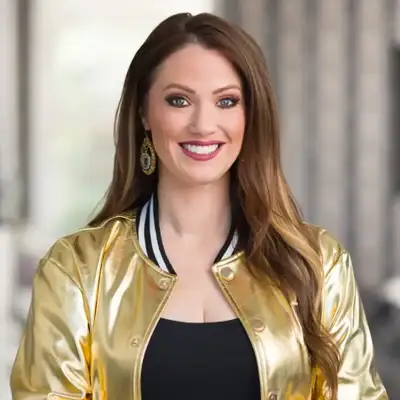
Welcome back to Count Me In. Today, we're joined by Sharrin Fuller, serial entrepreneur, founder and strategic adviser at Glass Wall Ventures, and a true expert in scaling accounting firms. Sharrin shares her real world experiences from pain points of hiring and firing to recognizing when adding staff isn't the answer and how smart systems and automation can transform your business. In this conversation, we unpack the mindset and workflow shifts needed to truly scale practical strategies for integrating automation and how to keep the human connection at the heart of your client relationships. Sharrin also opens up about the emotional challenges of change, the art of balancing empathy with tough decisions, and the skills today's accountants need to future proof their careers.
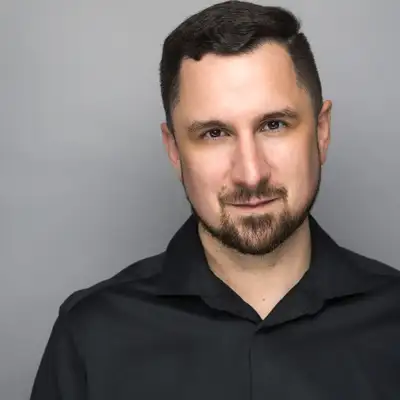
Adam Larson:Whether you're leading a growing team or just starting out, you won't wanna miss Sharrin's honest advice, proven strategies, and inspiration for building a scalable, sustainable firm in the age of automation. Sharrin, thank you so much for coming on the podcast. Excited to have you here. And I wanted to start our conversation talking a little bit about scaling because you're an expert in that. And at what point do you kind of realize that scaling a firm doesn't necessarily mean adding more people?
Adam Larson:Because I think people have, like, something in their heads when they think about scaling their organization.
Sharrin Fuller:When at what point do they realize that? I think they realize it when they've been throwing people at it for a while, and they're just what they start posting is, why can't I find anybody that can help me? I can't find anybody that can do the job. Nobody can keep up with it. I'm like, that isn't a people problem.
Sharrin Fuller:That's a systems problem. And what that tells me is they haven't prepared to actually properly hire anyone instead of looking at what the issue is. They're just, I'll just hire someone to do it. But the problem is is most of the people that are good at that or know or can run a business like that are running their own business, especially in the accounting world. So you're not you're any of people that are very good at the craft, at the actual work itself, but not necessarily the back end of the organization, which is where an accountant or the owner should absolutely be setting up their firm how they want it.
Adam Larson:Yeah. That could be and that could be difficult, especially if maybe you're you're good at one thing and you're saying I'm gonna start my own firm and then you get going and then you realize there's a lot of other things that you might not be an expert in and but you need to scale to grow to, you know, to continue the business going.
Sharrin Fuller:Yeah. Absolutely. It's it's always fun to find somebody else who's got multiple hats. So when you first start a company, you don't have a lot of money. And so you hire people like, hey.
Sharrin Fuller:This person, my assistant, my bookkeeper, and my operations manager, and all these things. But then what happens is as you grow, a lot of times people don't want to let go, and you add in people and you're adding them into the wrong place. A lot of times you add things just to get off your plate, but again, you're taking it off your plate and you're asking somebody else to do it, but they're not doing it the way you want to do it because they don't know because you haven't documented it. So again, it just comes everything. Whenever I see that people are having a large turnover, they can't define the right people.
Sharrin Fuller:It's one of two things. One terrible, terrible management. You something that you have a bad company culture and nobody wants to be there. Or two, you don't have a system set up and you're hiring on all these what are possibly amazing people and you're setting them up to fail. And I only say this because I did this for years.
Sharrin Fuller:Did it for years. I have hired, I have fired, hired and fired ridiculous amounts of people. And for the longest time, I'm like, these people are terrible. I'm like, oh, whoops. When I finally took a step back, I'm like, they weren't terrible.
Sharrin Fuller:They just had no proper leadership. They were doing what they thought was good, but it's not their company. I didn't want them to do it that way. But how was that their fault? It was my fault.
Sharrin Fuller:So and of course, as we all know, hiring is so time consuming. It's costly. And when you're training somebody, they're getting it or they aren't, and everybody learns in a different way. And so your ROI on an employee, when you hire someone, it's like ninety days. You have to assume that first ninety days, you're typically not making money.
Sharrin Fuller:So, you need to really be able to streamline that as fast as possible. I think I get it down to how I finally had it. It was probably about 30 because I systemized and automated our entire onboarding process and people were able to go back and look at the training back and forth. So when I actually was hiring for the role I needed, they didn't have to go. Oh crap.
Sharrin Fuller:What did Sharon say that one time? I can't remember how she said do this and so they're like, oh, whoops. There it is. I can go back and relearn this anytime I want. So it was honestly after like I said hiring firing realizing wherever I go.
Sharrin Fuller:I'm like, oh, they used to work for me. Why don't they work for me? Oh, they could do their job and I'm like sharing the only common denominator here is you you were the common denominator. There's no way you hired a 100 people and they were all terrible. There's just no way.
Sharrin Fuller:Like, it's just I mean, of course, if you have a more, but then that's why you also learn. Let's try to not hire people if we don't have to.
Adam Larson:Yeah. So first that that must have been taken some humble pie to recognize that and say, okay. It's me. Okay. Let me work on me first.
Sharrin Fuller:That that champion. Said is I got the shirt that says, it's me. Hi. I'm the problem. It's me before I knew that was her song, and I've been wearing that.
Sharrin Fuller:And I'm like because I'm always like, it's me. It's it's not you. It's really me. I own that.
Adam Larson:So it sounds like using technology is a great way of kind of helping scaling and doing that. And so maybe like how do you look at different tasks and say, okay, you know, this is something that's for that some that should stay with somebody should still do this manually or no, this is a task that like what are what is that? What's that process look like for you?
Sharrin Fuller:So excited you said this. So I have a community now. I sold my last firm and I have a community and I'm just, you know, advising accountant firm to owners. And just yesterday, I created this whole hire versus automate and capacity worksheet. So first of all, what's your capacity?
Sharrin Fuller:Second, what can be automated? Okay. Or what what can come off your plate? And then let's decide, do you automate or hire? And what I really have it look at is my two big side my two big deciding factors is one, is this this a repeatable, measurable process step?
Sharrin Fuller:Is it the same thing over and over? If it's a yes, then go to the next step. Does this need human supervision? Does a person physically have to touch it, talk to it, do something? If the answer is no, that is an automation.
Sharrin Fuller:So I can set it up. It can repeat. I don't need to actually physically be a part of it, automate. Now if it's a if it's something that, you know, it's a if in that and or and or if, and I I really need to talk to the people. You can't automate that.
Sharrin Fuller:You need a person for it, and that calls for training. So I went through about a year to almost a year and a half ago in my firm. I was not practicing what I was teaching and I had 12 people on my team and but everybody was underwater and I'm thinking, we don't we don't even have enough hours to substantiate any of you being full time. Like, but yeah, underwater. And I went through it.
Sharrin Fuller:I'm like, okay, we're all bottlenecking each other. Everybody, these three jobs are holding are just managing whether or not these jobs are getting done. So I went in and did that same thing with all the tasks. I'm like, automate, automate, automate, automate, automate it. Narrowed it down to two people from twelve, three including myself.
Sharrin Fuller:And then once we did that, we brought on technology. Not only do we have the higher the higher net profit margin because I no longer have the overhead of employees. My two people that I came on were only working thirty hours a week, and we have this beautiful system process in place, and they're like and they were so they're so happy. So finally, when I sold the company, of course, sold for two X revenue because it's a plug and play that you don't even have to do anything. You just sign the new paperwork and it can keep going because everything is so automated, but it, you know, like you said, humble pie ate a lot of it before I just listened to what I was teaching other people to do.
Adam Larson:It is interesting how when we're telling other people to do things and then we recognize we're doing that same thing ourselves, and we forget that to to apply what we've told other people to Happens all the time with my kids. I'll be, like, telling them to do something, and then later, I'm doing the same thing I told them not to do. And I'm
Sharrin Fuller:like, dang it. I'm shit.
Announcer:I'm listening to myself.
Sharrin Fuller:Yes. I know. Well, they always say a housekeeper's house is always messiest. So, was thinking of it like that. Like, I'm so busy doing all these things, and I also know as an accountant, I could jump in at any point in time and fix whatever's going on, but it's just not sustainable.
Sharrin Fuller:It's not scalable. Yeah. If one of my team members are out of office, what does anybody come in and do? We can't see step by step. And I told them, I'm like, as we're building these SOPs and these templates, I'm gonna build them like it's it's this client for dummies.
Sharrin Fuller:And you can some of the things you're gonna be like, this is dumb. I already know I have to do this. That's fine. Check it off. Takes you a fraction of a second.
Sharrin Fuller:But if somebody else comes in that's never done this task before, they are not going to miss a beat. Every single stop and every deliverable in that task is there that you have to click off and it's got the instructions of how to do it. So it took a little bit of time to about four months to really no, not four, maybe three to automate systematize template everything. And then my team that was left was like, alright. Now we know if we go to do something and it's not in our project management tool, I need to launch a template.
Sharrin Fuller:But I can't launch a template because if I launch a template, that means there should have been a statement of work, which means a client paid and that automates, right? There's this whole automation flow. So they come to me, hey, Sharrin, this person wants this. Okay. Go quote it.
Sharrin Fuller:Well, there's nothing. There's no statement of work or there's no service in the anchor. I would go create the service forms. They're very specific tie it out to a template. It's just again, this whole flow to where they know it's a stop.
Sharrin Fuller:It's stop. I can't do this. They haven't paid Or there's not a process for it. And that helps you continuously
Adam Larson:improve the process. Right?
Sharrin Fuller:Absolutely. And it also made it to where my accounting firm, the reason I end up selling is because my passion, I just didn't have the passion, but I was also only working like three to maybe five hours a week in on my firm and it was really only we'd have check-in calls where it was more of like, how was your weekend? And then they would come to me and go, hey, Sharrin, we need a process for this, or can you give me a template for this? So that's all I was doing was creating process and template because they had everything else under control. They didn't need me and that's that's what I wanted.
Sharrin Fuller:I didn't want to do it anymore. Was tired of it. So now that's what I'm doing for other people because it's it's so fun. That's the part I liked.
Adam Larson:That's I mean, that is really cool being able to do that. And I wanna I wanna kinda dive into the AI and automation and and working with those programs because a lot of times accounting firms, you know, you have your set ways and it's hard to make changes. And so, you know, making making maybe maybe we can start with, like, what is, like, what is it like kinda taking that first step, and what are some questions you should be asking yourself or your organization and saying, hey. Like, so that you can start making these changes that you're talking about.
Sharrin Fuller:So I always tell people, make the list of the things that you're doing that you're like, why am I doing this? I shouldn't be doing this.
Adam Larson:Okay.
Sharrin Fuller:And then make a list of things that you're doing that you're like, I do the same thing every day over and over and over again. It's you know? And so, basically, what you're doing is saying, okay. Get this off my plate. Let's automate this.
Sharrin Fuller:And then I like to say make the the fire list. What things are you do you that are on fire? Either you're holding people up. They're like, hey. I can't get this done.
Sharrin Fuller:Honestly, start with the fire list. Let's figure out the fire list because that's where you're a dependency trap and everybody's depending on you. And most every single owner that I talk to that has issues, it's because of that. They're stuck. Everything goes to them and that's where it dies.
Sharrin Fuller:They hold it up so then their employees can't get things done. Their clients are upset, and the employees are demotivated because the clients are yelling at them and you're telling the employee, just figure it out. They can't it's just this whole and it's scary. It's scary because the minute you take that off your plate that, you know, you're holding it. Right?
Sharrin Fuller:The minute you take it off your plate, you're handing it to somebody else and you don't have the control. So as an accountant, being an accountant who doesn't like change, who's very set in my systems and processes, I always like to say, just pick one thing. One thing, take it off your plate, let's set it up correctly, and just watch it. Even if you got back ten minutes a day, that's, you know, fifty minutes a week, almost four hour three and a half hours a month, but you've gotten that time back and you can watch it and then go to the next thing until you're comfortable. Right?
Sharrin Fuller:It's just like baby steps. And then when you you come up what works come up with what works for you, you can start transitioning more, But it's scary. It's a scary thing, especially when you're the owner and your whole life depends on it, your employees' lives depend on it, you have clients you've had for forever, and you let them down, they're going to be upset with you personally. Just owning a business, especially when you're like a sole practitioner or smaller and you're not a corporation, it's very personal. It's a personal thing and you take everything personally.
Sharrin Fuller:So every decision that you make tends to be emotionally driven, which is where a lot of us fail in business. Unfortunately, there's got to be a good mix of the two, but when we're driven by more of our emotion than we are of actual logic and facts. Mhmm. That's where we fail. You know?
Sharrin Fuller:Unless you're running a prayer circle. You know? But even so, there's still the business aspect of that. You've gotta be able to to separate. How do you
Adam Larson:balance that emotions?
Announcer:Yeah. I I like there's a lot there. There's a lot I wanna touch on. But, like, how do you
Adam Larson:kind of balance emotions and getting the business done? Because, obviously, your heart's in it. You're doing it. You you run this firm. You started it.
Adam Larson:You're you're putting your heart and soul into it. So how do you balance making good business decisions with, you know, you have the passion for it?
Sharrin Fuller:A lot of times you you need a sounding board somebody who isn't emotionally invested, which is where a good mentor and coach and strategic adviser comes in somebody who has who can look in and go hold on hold on. I get it. But I am telling you I was very fortunate to where my director of operations. She started with me eight years ago three companies ago and she started as my personal assistant to my EA to director of operations, and she came with me across she followed me. But she was very good about saying, Sharrin, stop.
Sharrin Fuller:Let's talk about this. And even she knows that I'm a very empathetic person. So if we were going to fire, she knew if I was deciding I was going to fire someone because I would be sick. She'd be like, who are we going to fire? You've been sick.
Sharrin Fuller:Like you've been nauseous and sick and not I'm like, I know it would I would feel terrible because regardless of how awful that employee was, I remember what it felt like to get fired. That panic of how am I going to pay my bills? Oh my god. Have to tell my spouse. What am I going to do?
Sharrin Fuller:You know, that terribleness, I just felt Even if they're awful, I still felt that.
Adam Larson:Yeah.
Sharrin Fuller:But I had that one person that I could go to and say, hey, let's talk about this. And, you know, it's not that I don't have my husband, but when you're in relationships, they tend to want to fix it and help you. And you're like, I just need somebody non biased that's just gonna go, listen. That's a terrible idea. And my director of operations, her name's Monica, she, it was good because she was like, if you make this decision, it's gonna screw up my world.
Sharrin Fuller:And then if you're when you realize it was bad, it's gonna screw up my world when we put it back. So she was like, don't do this. So there was a really good line there. But you gotta have you gotta have somebody on the outside looking in unless you're a cutthroat business person. And if you are, that's a whole other story.
Sharrin Fuller:That's a that's a whole another conversation. Members. Yeah.
Adam Larson:Yeah. Yeah. That was something that pops in my head because you mentioned, like, you had this team and then you were down to two people. What was that like kind of making that adjustment? Because it's not easy.
Adam Larson:Miserable. Like, you just said Miserable. It's not easy. Yeah.
Sharrin Fuller:Yeah. And then letting people go regardless of what the reason is or regardless how wonderful you were when they worked for you, they hate you. They now hate you. And I think that's the hardest part is I was very I'm always very close with my team and until you're not. And when you go to let somebody go, it is it's cold.
Sharrin Fuller:You cannot sit down and have a heart to heart because you just ruin the world and they're angry at you and they're coming at you. So you have to be as vague as possible until they sign that separation agreement, which gives them their I always tell them, I said, I will tell you anything you want to know after you sign the separation agreement. But for now, this just isn't working out, and I'm really sorry. And you kind of just have to leave it at that. It just makes you come off as the biggest b word ever.
Sharrin Fuller:But you have to because as I'm letting somebody go, I now have to protect the rest of my team, my clients. I have other people, you know, so that was hard. Letting go of that many people was it was hard. And do I even talk like a couple of them? I some of them are good.
Sharrin Fuller:I stay in contact with if they if it's really nice. I'm like, I will help you get another job. And I do I find them a new job and I stay in contact. I probably have a handful. Still talk to you, but some of them are just so angry.
Sharrin Fuller:And, again, I was it was my fault. Probably the reason I let him go. I mean, that whole me having 12 people on my team was my fault. Yeah. You know, it sucks.
Sharrin Fuller:It's it's never a good feeling to ruin someone's life even if it's just for the day or the weekend or, you know, it's it's never good. So I just try not to get in that situation anymore. That's why I'm like, technology. I don't even care. I'll just disconnect the robot, and I'm I'm good.
Sharrin Fuller:But people, you can't just disconnect, especially in this industry. It's small.
Adam Larson:It's very small. And then, like, that human aspect because you care about people. You're like, I don't want I'm I know I'm ruining your life, but I have to make this decision from a business perspective. And finding that balance of like, I care for you, but I'm sorry. I can't I can't work you can't work for me anymore.
Adam Larson:And that's not that's never an easy conversation ever.
Sharrin Fuller:No. Especially not when you used to hire your friends and family. Like, I hire like, the last time I hired a friend is you know, I didn't make the decision but my team they just I got her the interview. She got herself the job. Okay.
Sharrin Fuller:Yeah. I got her the front line for the interview, but she lost herself the job. I my managers came in and said, this person has to go. We have no faith in them. And I can't say no, but Yeah.
Sharrin Fuller:That person then cut me and my husband off for a year, and it was somebody we were very close with. Fortunately, it's not the same anymore as it was beforehand. We're probably like 80% of what our friendship was, which is bad because they were so close. So now I just am like, don't hire your friends and family because one day you'll have to fire your friends and family, and not everybody's gonna take it well. Some people don't care.
Sharrin Fuller:I fired my sister three times. She doesn't care. She keeps coming back. Come on, I'm like, I'll give you a task, which is stupid on my part, but then she has to get it done. I'm like, you're out of here.
Sharrin Fuller:Why do I keep doing this? But she doesn't care.
Adam Larson:Yeah.
Sharrin Fuller:If I did I had a friend who I'm like, you are not working. Like, were literally I can see you're literally not not only are you not working, you're logging hours to a client that you've done no work on, so you're stealing from me. I have to let you go. I hate you. I'm like, we were friends for like four years and now you hate me because you stole from me.
Sharrin Fuller:I mean, come on, man. I'm not even asking for the money back, but there's always different situations, but still people still sucks. Still have to live with it.
Adam Larson:It is hard. Like, I I remember back in the February, I was working in a customer service place,
Announcer:and I was one of
Adam Larson:the leads, and they brought us all to a room like, hey. We're firing half the staff today. You guys are all safe. Just keep people answering phones. I'm like, are you kidding me?
Adam Larson:Like, you have to kind of keep encouraging people to keep doing their job when when somebody's walking around tapping them on the shoulder and then that person's being escorted out. Like, it's just it's it's a it's such a delicate situation.
Sharrin Fuller:It's terrible. And you just reminded me of of something that I don't think I've ever told this story. I used to before I used to work for this company. It was a fractional controller CFO firm, and they were letting go we were small. There were only, like, eight of us.
Sharrin Fuller:And they were letting go one of the gals that worked there we were all very close with, but they didn't tell any of us. But the morning that she and she was coming back from her wedding. She was at her her honeymoon. It was her first day back at work. And they said out of the blue, hey, guys.
Sharrin Fuller:We're gonna go to breakfast. And we're like, well, where's Christina? Oh, she's gonna be a little late today. She wasn't coming in till ten, but we're gonna go get breakfast. So they take us all the rest of us to breakfast, and I'm like, oh, Christina will join us.
Sharrin Fuller:Again, small group. And while we're sitting at table, they go, we just wanna let you know Christina's being let go right now. I'm this I was pissed. I said, this feels skeezy. We are a small team.
Sharrin Fuller:This should have been a conversation. The way you did this was terrible. Like, they're like, oh, we didn't wanna put you guys on the spot. We didn't want you to be there when she was cleaning out her desk. I'm like, I get that, but come on.
Sharrin Fuller:This feel you take us to breakfast under the guise of, oh, let's go have breakfast. And then you just tell us, oh, we when you go back, she's gone, and now you're have to do all her work. And we, like, could see from we were at the restaurant across the street. I could see her, like, her stuff out of box. I just remember I lost so much respect for them there.
Sharrin Fuller:So I just didn't think it was a way to handle it. But on the flip side, now after owning a business and having employees, I get why they did what they did. They wanted to make it. I don't think they were being mean. I think they meant it nice.
Sharrin Fuller:Take them to breakfast. Let them down lightly. Christina's gonna come in. That's gonna stink either way, but at least she won't be there to be embarrassed. Like, at least she won't be embarrassed while she's gathering stuff.
Sharrin Fuller:It's not gonna cause a commotion. So again, I like to play devil's advocate whenever I do things. So I see it from which helps. Right? Because now I know how I felt as the employee, as a coworker, but now I also know how it felt as an owner.
Sharrin Fuller:So there's just honestly, I don't know if there's a right way.
Adam Larson:There's
Sharrin Fuller:I just don't.
Adam Larson:I don't yeah. People always try different ways. Like, one time I was put into a room and they're saying, you guys are all good. You have to leave out this door. Everybody else is like, who's not in this room is being let go.
Adam Larson:And you're like, wait. What? And so, like
Sharrin Fuller:I know.
Adam Larson:I understand why they do it because they're like, they don't wanna interact. You never know how somebody's gonna react. They could fly off the handle, and they don't want other people to like so it's for safety purposes. But I don't think like you said, I don't think there is, like, a a perfect way to do that.
Sharrin Fuller:I think it's a communication. I think it's a look. Yeah. I think you just have to be really vulnerable and transparent to at least the rest of the team. Look.
Sharrin Fuller:We're not gonna tell you why this, you know, there's never this is never easy and we understand if you're upset, please come talk to us, but we did this because of this and I think that's where I started in my business becoming super transparent, maybe a little vulnerable sometimes And it's probably kicked me, came back and kicked me a few times, but I still don't regret it because when I started doing that, people understood and I think situations are very good. So like, okay, I don't love this, but thank you so much for telling me so at least I understand. And, you know, and then you have to be careful what you say. My lawyer is always like, don't say that. I'm like, well, what can I what word should I not say?
Sharrin Fuller:You know? And like I said, usually it's a very vague sign your separation agreement, which means you can't sue me and then let's let's work on this. But knock on wood, I've never, you know, I've never had a termination lawsuit just angry angry people. But again, that's where tech comes in. My Roomba is never going to fire me when I say I'm done with you.
Sharrin Fuller:I'm getting a shark, you know, or it's ever going to, you know, try to ruin my life. It's just like cool. So that is why now I'm growing everything we do. I'm like no more people, no people, whatever we can do to bring in no people. And if we get to a point someone's like, my I'm overloaded.
Sharrin Fuller:I'm like, let's figure out what we can take off your plate to give you time back because I don't want any more people. I can't do it. I just can't. So it sounds so terrible.
Adam Larson:It's interesting. It's the wave of the future, it's and when we have the when I have these conversations about AI, people are like, you know, firms aren't gonna change. It's just gonna be a tool in your in your toolkit. And in some ways it is, but in some places that is gonna happen. It's the reality that jobs are gonna be changing or or lost or or adjusted because of these Absolutely.
Adam Larson:New
Sharrin Fuller:I mean, anything, like I said, repetitive, measurable, it can be automated if it's repetitive. If you can put rules in place. Not only I do agree that it is going to help firms, it's going to be a right hand, but it's also going to be a right hand to everybody else. So if you can't give some sort of value outside of AI, there is no reason for your client to go to you because they can use ChatGPT just like you can. So you have to find some sort of I tell people, if you don't have a human connection, if you can't find some relationship in what you do in the accounting industry, you will likely lose clients to very automated, just done real quick.
Sharrin Fuller:They they would rather just get it done. I don't even wanna talk to anybody. So you really have to build those relationships. So that's what that's who we got rid of everybody in my company. If they didn't a client facing relationship that needed to be there.
Sharrin Fuller:They were gone because I can automate what you do. And again, it's such a terrible thing to say, but it really everybody should really be thinking that can my job be automated. Oh, it can let me find what I can do that as of right now can't be automated and then work your way into that companies are loving that. Like if you work a small thing and you come up with an idea, tell them, hey, I found a way to make my job, you know, replaceable, but also recreating revenue for the company. And I even gave all my team.
Sharrin Fuller:I told them at the beginning of the year, anybody by the end of year who does not have a client facing role, relationship role, I will have to remove you. I said, so let me know what you wanna do. We'll create the role. We'll figure it out. And they'll no one did.
Sharrin Fuller:They didn't. So I was like, alright. I kinda knew this was coming. I don't know what to tell you.
Adam Larson:So as a business owner, what does it what does that look like? You know? Because you have to put your trust in these tools because you're no longer trusting people, but you have to put your trust in tools. And, you know, what does that what does that process look like kind of learning to trust the tools to do the work that you're trying to put out there to do?
Sharrin Fuller:You just gotta make sure the work you have to stay up on your tech. Like, you can't just set it and forget it and walk away. You have to stay up on top of it. Example, I used I I was one of the first users of Anchor. I think I'm client number two.
Sharrin Fuller:And in the beginning, they had a very limited open or, you know, open back end. And so I they opened it to Zapier, so I was writing all these apps to to get things done. But then they went and created all of these things internally, which made my Zaps mess up. So I didn't keep up with how they were doing things or what the platform was, and so things weren't going right. So you have to make sure that when you're setting up these automations that you're staying on top of your software updates, what's the new release, what are they doing because something you're doing might be obsolete now and you're looking like a ding dong, Or they could have done an upgrade and now it makes everything you're doing broken.
Sharrin Fuller:But the one thing I do like about setting up automation with Zapier is if something fails, you get a you get a message right away. So I know, okay. This didn't work. I can go in and fix it, it calls attention to it, which I that is the one reason that I do love when that's how things connect. Otherwise, sometimes they just don't.
Sharrin Fuller:They don't. That it won't tell you. You'll just you just kinda have to test the sequence and know you have to be documented and know the sequence, and somebody has to be able to you're you're basically IT now. You're overseeing your technology. That's how our roles shift.
Sharrin Fuller:You're using automation. You are now if somebody's still gotta be in charge of automation.
Adam Larson:Yeah. And you have to you have to
Announcer:have a a little bit of
Adam Larson:an IT knowledge, but then you still have to know what it's doing. So you have to have your accounting knowledge that you can say, let me check that work to make sure that's proper.
Sharrin Fuller:Yes. Yes. Right before we got on, I actually set up. So I the mail comes to me, and I scan it to my assistant, and I can't stand emailing it to her and dropping it in. So I actually made it to her when I scan, it goes into an automatic folder in G Drive, and then whenever a new document goes in that deep G Drive, it sends her an email and it pushes a task to her project management tool that says, do you have a new scan?
Sharrin Fuller:Go take care of it, please. And then in the thing it says, handle it, file it, blah blah, whatever. It's got the to dos, but I know that it's sent to her. And then when she gets that, I can see when she gets that task, because she'll then move the task out of the incoming or the inbox into something, and I'll see she moved it. I'll see she completed.
Sharrin Fuller:So I know the process is done. And if for some reason she didn't get that task, at least it's still in the Google box and I can go and look and see if something's in there. So just before I was hauling, I was hauling it real quick because I was setting up that zap because I'm like, I never want to have to manually send her an email for a scan again. Want to scan be done scan be done. So now we have that set up and things like that just little things.
Sharrin Fuller:Right? That's time that's effort. That's follow-up. I just probably save 10 times every ten minutes every time I scan and not have to do that.
Adam Larson:And that's and it's crazy. But like you like you said, save that ten minutes now, and you'll save the ten minutes tomorrow. By the end of the week, you save fifty minutes. That's a whole hour back in your in your week. And I think looking at it from that perspective is it kinda changes your mindset because I feel like a lot of times in firms you get in this like, these are my tasks that I do.
Adam Larson:Like, we become task rabbits. It's very much set up like the, like, warehouse industry. Like, we're the factory industry where you're just doing the same thing over and over again. And a lot of times in offices, we do that same thing and realizing that, hey. I can automate all of these little things.
Adam Larson:And then that frees me up to do, hey, what's that thing I've been putting off because I never have time to do it? Well, now I have time to do it because I put hour or two hours back in my day.
Sharrin Fuller:Exactly. And if you quantify it and you put it in a dollar amount, it sounds even better. Like, if I charge Yeah. For example, dollars $2.50 an hour, I give you back $2.50 a week, which is a thousand dollars a month that you can give new clients. So ten minutes, save the day, just get put a thousand dollars in your pocket, which is $12,000 a year or, you know, what what is it?
Sharrin Fuller:What what am I giving you back? I don't wanna do the math, but let's just say $12 a year. If you quantify it in that, people are like, oh crap. You're right. I didn't even think of it like that.
Sharrin Fuller:And anything that I do, I'm like, this is dumb. You just create a I think I have over 200 and I probably have close to 300 Zaps now. It's pretty intense. But I the minute I do something, I'm like, I never want to do that again. That was ridiculous.
Sharrin Fuller:There's steps. Could step by step it. I can set it up in Zap. And Zap is so much better now too. Like, their AI in there is awesome.
Sharrin Fuller:You just go in and you're like, hey, I want to do this and it will set up the most complicated scenarios for you. You really don't even have to be tech savvy. It tells you step by step what to do and before it didn't used to that's new. I've been writing Zaps since they were gosh. Zaps have been around for a long time.
Sharrin Fuller:2016, 2017, maybe maybe earlier, but I think I started using around 2016 to create spreadsheets and grab data. It's just I think with Airtable, I'm old.
Adam Larson:So when you like, you work with a lot of accounting firms. Like, what do you think is kind of holding people back from making these kinds of transformational changes that we've been discussing?
Sharrin Fuller:Them, mental, they're stuck in their, can't, I can't. This is why I've Every done time I've done it, it doesn't work, so I can't do it that way. I have to do it this way, or my clients will fire me. My clients are gonna so mad. I'm like, no.
Sharrin Fuller:You are the professional. You are the one they hired. You dictate how you do your work. Don't let your clients dictate that and that is like the control you have to take back first and own and you know, clients like like a kid. Hey, this is the new habit we're getting into our clients used to text email, all these things and we finally said, no, we use Client Hub.
Sharrin Fuller:If you want to talk to us, you message us in Client Hub. Otherwise, it won't be done because we can't track it. If you have to email us something, goes to support app because it goes to a ticketing system that we can all track and all have visibility to. So, somebody emailed or text us, we either didn't respond or we put on autoresponder. This will not be responded to.
Sharrin Fuller:If it is a client matter, this will not be responded to. And it, you know, is rough the first month, but I think we lost one client over it, but honestly, that was the client that we were having issues with because wouldn't follow our process and we would have issues all the time. I'm like, this is why we're doing this because you're sending us requests for adding payroll removing payroll all over the place and we can't track it. I can't track it when you're texting people and there's no visibility. And so it was actually worth it.
Sharrin Fuller:I didn't mind that we lost her because it was, you know, she can be somebody else's accident waiting to happen. But everybody else are like, this is great. It's in one spot. Here's everything. I can put notes.
Sharrin Fuller:I can tag But once you do that and your clients are fine with your system, then you can start changing internally. But if you don't, if you let people do whatever they want, however they want, you're never going to be efficient. You're never going to be scalable. You're not going to have a product that people are going to want to sell because there's too much to fix and you're going to be working all the time because everything's coming from every which way. You've got to streamline that stuff.
Sharrin Fuller:So I love this. I'm so passionate about this topic.
Adam Larson:Well, when you when you put
Announcer:it that way, it's like, well,
Adam Larson:why aren't like, hello. That just seems like a no brainer, but it's a lot easier. It it's not as easy as that sounds, I
Sharrin Fuller:should I don't have time.
Adam Larson:I don't
Sharrin Fuller:know how I'm gonna do it. I don't have And that's what I'm I'm kind of solving for now is everything I'm doing. I'm like, look, you don't have to do everything. Let's just do this one This one piece will take you fifteen minutes. Stay fifteen minutes after work and get this done.
Sharrin Fuller:And now you don't ever have to do that again. And it like I said, it's really the baby steps of, okay. Oh, well, that worked. That was different. I'm uncomfortable.
Sharrin Fuller:I'm gonna watch it for a week. Oh, that worked. Okay. Now I'm addicted. I want to do another thing.
Sharrin Fuller:It's it's a lot of, you know, you lead horse, you leave a lead horse of water. Have a lot of people in my group and they'll always say, I'll get a lot of I don't know how to do this. I need help doing this and I'll go. Okay, cool. Here's how you do it.
Sharrin Fuller:Oh, I just haven't had time. Okay. So let's make time and you can put everything in front of them, but they have to do it. They it's kind of like a drug addict. Have to hit rock bottom.
Sharrin Fuller:They have to hit the rock bottom their final. I can't do this anymore. I can't go on and then that's usually when they're like, okay. Now, that's not everybody, but just knowing accountants, it really is. They're like, I'm in turmoil.
Sharrin Fuller:I can get nothing done. I can't leave my desk. I'm missing everything in my kid's life. I can't, My husband forgot what I look like. I haven't washed my hair in a week.
Sharrin Fuller:Usually, at that point, they're like, I will work on Saturday to fix this, or or or maybe they lost a client. They're like, okay. Now I've got time to fix this. But it's always something. I have to say account account rock bottom.
Sharrin Fuller:I'm gonna wanna coin that phrase too.
Adam Larson:You should. I like that account rock bottom. As you were saying that, it kinda made me think, you know, just what are some skills maybe that you know, somebody's listening to this. They're like, I want to be successful in this type of an atmosphere, so I wanna prepare myself because maybe my my my organization isn't doing that, or maybe I'm starting my own organization. I wanna be there.
Adam Larson:What are some skills or some some attributes that people should be like, I should be putting these on. How should I upskill myself so that I can prepare to be ready for this this type of an atmosphere?
Sharrin Fuller:So if you are if you're not super tech inclined, you don't know what you're doing, listening to podcasts like this, just something to always stay motivated, something to listen to what somebody did, even if you can listen to, like, one podcast or, you know, webinars, something a week that'll get you amped up and motivated. Because when you're running your own company, you're alone. You're alone. Whether you're the owner or you're the solopreneur, you're alone and you don't know what anybody else is doing. I had no idea that this accounting world, I call it the accounting circuit even existed until 2022.
Sharrin Fuller:And so everything I had done, I had never listened to a podcast. I didn't know any of the I just was like, this doesn't work. Let me figure this out. But if I had this community and these people to talk to and had actually known that any of this existed beforehand, I think how much easier life would have been. But you you just have to be open.
Sharrin Fuller:You have to know that don't be married to anything that you're doing. Mhmm. Even me. I have a very set way of how I do things. But as I'm doing it, I'll look I'm like, maybe there's something better and I can update this especially when you get like you marry yourself to your technology.
Sharrin Fuller:Like I will only use this and then I'm like, no, I can't do that. I so I love when I go to conferences because I can go check out all the new technology all the up and coming what's there see what they're doing. I mean keeper which is now double is a good one, but they first started. They were so it was just so little. They had these little cows and it was just Kenny and Ben, now they're Double and they're massive and they're gonna take over the accounting world.
Sharrin Fuller:But from where they started to where they are now, anybody that went and saw used Double two, three years ago, and I was like, yeah, it just didn't do what I needed to. If they jumped in now, they'd be like, oh my gosh. I have I'm overlapping and overpaying for so much stuff and probably causing so much more time because this can actually do all those things that I was paying for appointments to do. So you really have to stay open minded. I mean Mhmm.
Sharrin Fuller:You just can't don't be set in your ways. You won't you won't be successful if you're gonna set in your ways.
Adam Larson:It's okay to be a little uncomfortable. I think that's the other thing. Yeah. Like don't don't get don't go so set that you're not willing to say, I'm not used to this. Well, that's okay.
Adam Larson:Yeah. Get used to it or try it out and see what happens.
Sharrin Fuller:And know your numbers. Accounts are terrible at this. They're they know all their clients' numbers. I could tell you everything about their clients, but they don't know their own. They don't know I actually just created this worksheet as well about knowing it's about your revenue floor, understanding your clients, how much you're actually making on them, what you should be making anyhow, this whole thing and it really makes you go, oh man, maybe my biggest client has the least amount of profit and they take up the most amount of time.
Sharrin Fuller:So my first business that I started, I had all the software as a service companies, VC backed, so they were all very large. My average client was $3,500 a month. Right? So I had less clients, bigger, a lot more money, but I had to have a much bigger team. It was very high touch, very customizable.
Sharrin Fuller:I could not automate hardly anything because it was very, you know, very relationship bound. So when we did the new firm, I'm like, I want very low touch cash, cash face, very easy clients. So whereas the client the new firm our average was $750 a month, but we would spend two hours a month on the client. So my profit margin was like 10 times higher on the easy model than it was the big one because when you actually sit and look at it side by side, you're like, oh man, am I am I just doing this type of brag? I slanted a $5,000 toy.
Sharrin Fuller:Yeah, but it cost you $4,800 to service it. Is that smart? I mean, you made $200. Whoo. So I mean, you just you have to know your numbers.
Adam Larson:Yeah. You have to know your numbers. You have to kind of be in it, but from a strategic perspective as opposed to in it, like micromanaging it.
Sharrin Fuller:Yeah. Absolutely. Just treat your business like you're and if you can't do it, let somebody have somebody do it for you if you can't
Adam Larson:do I
Sharrin Fuller:love it. I've always known my numbers. I was very big about knowing every single client and whether or not we went over or if they're profitable, and that's how we because we had a lot of pricing back then, and that's how we measured it. But if I would've known that, we would've lost our lost our rear ends because you have to keep an eye. Otherwise, you're hiring more people, but your revenue didn't change.
Sharrin Fuller:You're like, wait a second. What's going on here? How would we have more work, but no more money? Yeah. Know your numbers.
Adam Larson:Yeah. Know your numbers. Well, Sharrin, this has been an amazing conversation. I really appreciate you coming on and sharing what you've learned over the years and what you're doing, and I I hope that our audience has enjoyed it as much as I have.
Sharrin Fuller:I do too. I just want to say whenever this goes, if anybody would like to join my community, I am off it is free until the March. And if you mention this, I will send you a book. My I do have a book. I don't think we mentioned that, but I did write a book.
Sharrin Fuller:So I will send them that as well.
Adam Larson:Cool. Well, I'll put make sure to put links in the show notes so people can check that out and connect with Sharrin.
Sharrin Fuller:Awesome. Thank you so much, Adam. I enjoyed being here.
Announcer:This has been Count Me In, IMA's podcast, providing you with the latest perspectives of thought leaders from the accounting and finance profession. If you like what you heard and you'd like to be counted in for more relevant accounting and finance education, visit IMA's website at www.imanet.org.