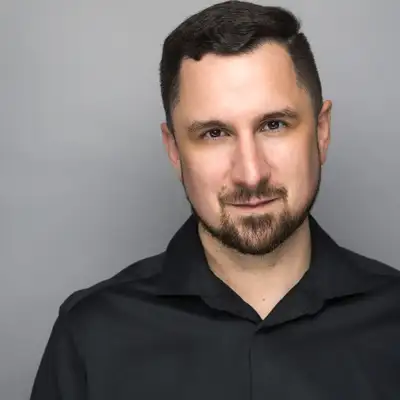
Ep. 326: Carol Springer Sargent - Why Every Professional Should Be Both a Mentor and a Mentee
Welcome to Count Me In. I'm your host, Adam Larson. In today's episode, I'm joined by Carol Sargent, associate professor of accounting at Mercer University and a seasoned mentor with a wealth of experience in both industry and academia. Together, we dive into the ins and outs of mentoring, exploring how roles of a mentor and mentee differ depending on your environment and what it really takes to build meaningful, effective mentoring relationships. Carol shares practical advice on seeking out mentors, building trust, and navigating through those professional moments like ethical dilemmas where a good mentor makes all the difference.
Adam Larson:Whether you're just starting out or looking to pay it forward as a mentor yourself, this episode offers wisdom on developing emotional intelligence, becoming a better leader, supporting those around you. Tune in for a thought provoking and motivating conversation that might just inspire you to take your own mentoring journey to the next level. Well, Carol, I just wanna welcome you to the Count Me In podcast. I'm excited today to be talking with you about being a mentor and being a mentee. And I figured we could start our conversation by how does how does the experience of being a mentor or mentee differ between industry and academia?
Adam Larson:Because you've done it in both places. You've done it when you're in industry, you've done it when you're in academia. And maybe there are there some lessons we can learn just to kinda get our feet wet here?
Carol Sargent:Right. So there are differences, pretty big differences, and that's usually the time frame. In industry, you might be working with somebody for years. They might have connected with you as a new hire or even during the recruiting process. And so you're with them as they progress through the organization, or maybe they leave the organization.
Carol Sargent:Now they're in a different organization, but they kept up with you. In academia, you may only have them for a semester or maybe two semesters or at most for two or three years, and then they leave. So you have less time to percolate. Students sometimes keep up with you afterwards, and you can mentor after graduation, but that's less likely than across a more professional career. My professional colleagues will keep up with me even after they went to other organizations, but students feel less likely to do that.
Carol Sargent:I don't I'm not sure why.
Adam Larson:Yeah. It's interest you're right. Is a completely different environments. And so when you're when you're a mentor in college, you're like, I'm excited about doing things, and you're trying to move in your career. You're trying to learn things quickly.
Adam Larson:And in a career, it's a different and why do you think a lot of people are resistant to getting mentors, especially when you're a professional?
Carol Sargent:I don't know that people are resistant to getting mentors. I think they might be where you and I were just talking and that it takes a little bit of energy to find one. Yeah. And the gold standard is to have an internal mentee in your organization, but also an external one that's independent of organization. You have to be either very lucky or intentional or maybe both to have that idea.
Adam Larson:For sure. So when let's start with the from the perspective of a of a mentee. What do you think what are qualities you should look for in a in a mentor? Let's say you're a young professional. You just came out of college.
Adam Larson:You're you just got your CMA or working towards your CMA. And and what are what are some qualities that you think, hey. This is an impactful mentor. And I know each person is different, but, you know, what are there certain qualities that we should all be looking for?
Carol Sargent:So one who's open to it. Right? One who's willing to to give you a little bit of time, and that's on the mentee to be interesting. Right? To ask one or two interesting questions that'll catch the attention of a mentor.
Carol Sargent:And so then they'll begin a conversation and say, hey. Are you open to following up on this maybe for coffee, or maybe I'll stop by after work, and we can go for a walk and go into that topic. So if a mentee comes in with a question or two to sort of prompt, I'm curious about this thing, and maybe we talk for a few minutes. Are you open to following up? And then you you know, that's how you can maybe get one launched.
Carol Sargent:Mhmm. I mean, it does take a little bit of luck and a little bit of connection because you have to build up that trust. You have to build up that mutual desire to connect and to pay it forward or to, make the investment. So there has to be some chemistry.
Adam Larson:Yeah. It's almost like a mentor mentee relationship is like a is like a it's almost it's very similar to, like, romantic relationship. If there's no chemistry, how can you grow and move forward in in romance? Sometimes that's what people say as they're looking for chemistry.
Carol Sargent:I shared that it's chemistry in that context, maybe in terms of shared values or shared interests or shared understanding of how it would be better if I took my difficult topics to somebody who's maybe done other difficult topics.
Adam Larson:Yeah.
Carol Sargent:So it's it's there's a respect kind of chemistry that I respect you for wanting to know to bring in your problems, and I respect you to take my problems seriously and give me multiple viewpoints without bossing me around, without judging me. So not everybody can do that.
Adam Larson:Yeah. Not everybody can. If you're a mentee and you wanna you wanna make sure that your time is effective, are there certain things or practices that you should be looking to do? Like, hey. I wanna make sure I'm doing these things to make sure that it's worth my time.
Adam Larson:Because like you said, you have to put some effort in even to find somebody.
Carol Sargent:Yeah. Yeah. Well, I mean, you have to try it. Right? You have to test it.
Carol Sargent:Yeah. You have to have that initial conversation, ask those initial questions, and and it might take 10 before you find one that clicks. Or somebody who's willing to spend a little bit of time. Doesn't take a lot of time to have a mentor mentee relationship. Maybe you only have coffee once a quarter.
Carol Sargent:Maybe it's usually more often in the beginning and then twice a year is enough. And then there might be an emergency phone call in between those times that, uh-oh, this thing just happened, and I don't know how to address this. What thoughts do you have? And if they've gotten to know you, then they can give you more context personal advice as opposed to generic advice. I mean, you can go get a book on any one topic and get generic advice.
Carol Sargent:But what about you, your concerns, your constraints, your strengths and weaknesses? In that setting, how would you address this?
Adam Larson:Yeah. So what do you think that when you're looking at mentors and mentees, is it always gonna be and maybe end up being a friendship that develops, or is it does it have to be a friendship? Like, what is that what is that where does that balance and those things lie? Because I know you've had a lot of different experiences with mentors and mentees.
Carol Sargent:Mhmm. Yeah. I mean, it's not unusual to have a friendship develop Mhmm. Especially if you do it over several years. But it doesn't have to be a friendship.
Carol Sargent:It can be a professional relationship. Mhmm. Sometimes there's a great difference power difference between the mentor might be the partner in charge of the New York office, and the mentee might be a new hire. And, boy, they are living in completely different worlds, and they're not likely to, you know, have sort of that friendship equal relationship.
Adam Larson:Mhmm.
Carol Sargent:Certainly, friend leave.
Adam Larson:Yeah.
Carol Sargent:Friend leave. Some relationships I'm in one right now that's 40 years old. Okay. Terrific. But some of them may be only lasted eight or four or like the students spent three years.
Carol Sargent:So sometimes you don't know. You have to give the gift, and then you don't know what the return is gonna be. You have to for both of you. Right? Mhmm.
Carol Sargent:You have to make a decision. I'm gonna try it.
Adam Larson:Do you think that formal mentoring programs are more effective than just or ones that happen organically? Like, what do you think the difference is there?
Carol Sargent:That that's a great question. Many of the organizations, not all, but many of them gave me an official, both as a mentor and mentee, gave me an official relationship. This is your mentor. You're a new hire in this firm, and here is so and so is your mentor. And you're required to meet with your mentor at least once a year, and so you would sit down and meet with the mentor.
Carol Sargent:In my organization right now, we have that. You're assigned a mentor when you're hired, so that's not unusual. When it's an obligation, it's a different dynamic. So you could be lucky. None none of my officially assigned mentors ever turned out to be a mentor to me.
Carol Sargent:Officially assigned mentees sometimes turned out to be mentees for me, but not all the time. I would say 10% at most just because they're not carefully constructed. They're done out of convenience or, you know, you're the first on the list. You're assigned to you know, somebody hasn't spent a lot of time figuring out, well, you're an extrovert or you have this situation or you have whatever it is. Right?
Carol Sargent:Whatever that magical thing is. Sometimes it's usually I asked a question. So I was a new hire. I'm getting off the elevator. A partner said something to me.
Carol Sargent:I asked a question, and they're like, that's a good question. We should talk. As a mentee, if you want to be mentored, I think you you know what? If you have over 50 questions, they're gonna run. Right?
Carol Sargent:Because you look too needy. But a good couple of questions in your hip pocket all the time is a really good idea. What did you really care about and you've been wondering about? Like, what do you do with a nonprofit client? How do you know if they're successful?
Carol Sargent:Because profits are like this way to figure out if things are going well.
Adam Larson:But Yeah.
Carol Sargent:We're always zero. You're a nonprofit. That was the question I had in the elevator with this particular person who ended up being a very long term mentor of me and saved my family so many times, which a good mentor will do. Yeah.
Adam Larson:Well, it's funny you mentioned that saving your family a number of times. You know, how what what are some advice you give to mentors, you know, helping to navigate, like, ethical dilemmas in the workplace? You know? Always good to have a trusting soundboard, but, like, if you're in a high pressure environment situation, you know, what are some ways that mentors can help help mentees navigate the course? Because it's never easy Well,
Carol Sargent:just all of us in the finance profession really as stewards. So I, unfortunately, have to tell you that every organization that I've been in, every single one, somebody has asked me to do the wrong thing. So you would think it would be really unusual, but it's not. So as a mentor, what I wanna do is normalize that. People are gonna ask you to do the wrong thing, and it's usually not because they're bad people because but because they have a problem.
Carol Sargent:They have some kind of problem. And the easy way to do that is let's reclassify this so we're we're not in violation of the covenants on the bank. It'll get through this, and two days later, you can reverse it. Nobody will be hurt. And, of course, they're just in a panic.
Carol Sargent:Right? So they're not really trying to do the wrong thing. That just looks like an easy way to solve the problem. And so what I wanna do with a mentee is normalize it. Say this is gonna happen.
Carol Sargent:It's probably gonna happen. May happen multiple times. So what are your options? Right? So one of the options should not be do the thing.
Carol Sargent:Right? So you wanna dig deeper. What is actually the problem we're trying to solve here? We're in violation of the covenant with the bank. Would it be okay with you if I call the bank and get a ninety day reprieve on that telling them the story?
Carol Sargent:Oh, yeah. Okay. But you gotta do it by tomorrow. No problem. Doing it right now.
Carol Sargent:Right? So you give them some other solution to the problem. You don't turn them into the bad guy. One of the great things that somebody told me, pull out of your pocket immediately and go, oh, I would love to do that. Right?
Carol Sargent:So you feel their pain. Right? You're under some kind of pressure. You got some sort of problem. You can solve the problem easily by doing this thing that you shouldn't do.
Carol Sargent:So you feel their pain. I'd love to do that. Actually is the problem? What are the other ways we can address it? So if you're familiar with the fraud triangle, fraud can only happen if there are three elements present.
Carol Sargent:One is pressure. Nobody really does fraud if they're not under some sort of pressure. They have have to have the ability to pull it off. And often that financial professor professional is that one in charge of the controls that says, boundary issue, you can't you can't just plug the financial statements to solve your problem. So we have to solve your problem in another way, but we don't have to turn you into the villain.
Carol Sargent:There are organizations where there's just a lot going on in which case you have to get out of the flooded pond. But most of the time, just somebody's in a panic. Mhmm. They think you can solve their problem. They really haven't thought deeply about the fact that you're you're completely ruining the culture and all of a sudden doing the wrong thing is the way we solve problems around here.
Carol Sargent:And now you've got yourself a big mess. So and then you get your stuff like Enron happening. So that's not a good way to to run a world, and it's a bad thing for the profession. But everybody, everywhere that I've gone has asked me to do something wrong at least one time, and I I feel their pain. She wouldn't that be great if I could do that?
Carol Sargent:But I can't. So, anyway, what is the actual problem? Then, of course, then help them solve the problem. And then, of course, they come to you and say they start coming to you and say, I have a problem. Right?
Carol Sargent:And then they wanna solve the problem. They don't keep coming to you and saying, by the way, can we just steal 600 again? You know? Mhmm. They start figuring it out.
Carol Sargent:Sometimes they bully you, and then having a mentor is very, very helpful because they say, if you don't change net income to whatever, you're fired. That's a lot of pressure, especially on a a new hire where somebody hands you a quote and says, get the heck out. You have to have some seniority to look back at them and go, are you done yet? And they and they stare at you, and then they put it back on the hook and they leave and they go, you're you weren't very helpful. And I go, yeah.
Carol Sargent:I know. You know? Make you live on. And you say, I'm gonna pretend that never happened. You know, like you're outing.
Carol Sargent:Or if it happens a lot, you need to be in another organization. So but it is so helpful. The first time that somebody asked me to do the wrong thing, I immediately was with my mentor going, what do I do here? Because you're you're a new hire. You're vulnerable.
Carol Sargent:You can be easily fired. You have no gravitas, right, to bring to the situation. So Yeah. But my mentor was very, very helpful in telling me how to address it. So I hope it never happens to you or anybody that's listening, but it might.
Adam Larson:For sure. So it's it's important to have some sort of a sounding board, somebody that you can talk to, especially in those high critical situations. Because when those things happen many times, the way the person trying to get you to commit the fraud succeeds is because you feel alone and isolated. And so
Carol Sargent:But they mean, they usually minimize it. Like, this is no big deal. Why are you freaking out? Right? They they minimize, like, something's wrong with you.
Carol Sargent:So it's nice to and it's also nice to rehearse in advance with my students. Tell them, you know, if somebody's asked me to do the wrong thing all the time, now let's let's rehearse. Right? So we'll role play and rehearse, and that's helpful with the mentee too.
Adam Larson:So I'm thinking about mentors now. You know, we talked about a little bit about mentees. Let's say somebody's listening to this conversation and says, you know what? I wanna be a mentor. Do you think they should be a mentee first before they become a mentor, or can you just be a mentor?
Adam Larson:Are there qualities you should look at in yourself to be a good mentor?
Carol Sargent:Well, if you've been a mentee and you've had a good mentor, you've got a good role model. But I don't think you have to have been a mentee. I think you wanna be a good encourager. You wanna be consistent and keep showing up. You don't wanna overwhelm or boss your mentee around, so you wanna maybe have one goal for the next meeting and pick up how did that go.
Carol Sargent:And then if they didn't listen to any of the things that you said, you could certainly check and say, what do you think it was about those that didn't work out? Right? So try to help them to be thinking through. This just happened yesterday. I had a mentee come who told me two years ago, this is my main goal, this goal a, and nothing's happened on goal a for however many six meetings.
Carol Sargent:And I said, how's goal a? Oh, I'm gonna get to it. I just had this other thing happen, this really great thing here and great thing here. Great. I was like, really great, but thought you were interested in goal a.
Carol Sargent:Well, I am. I am. I am. I said, well, you keep chasing all these other minor goals. What do you think is going on?
Carol Sargent:Right? So you help to help them become more self aware by just asking questions, asking questions, and helping them try to listen and sound, reflect back. I thought you were just well, it's changed. Okay. Now the goal's changed.
Carol Sargent:Or no. The goal hasn't changed. I just keep getting distracted. Okay. Sometimes you have to help them learn how to say no, especially new folks in the career.
Carol Sargent:They wanna say yes to every project, and all of a sudden they yes themselves into failure. And so that was happening with one of my other mentees recently. Just accepted every assignment, loved it all, loved it all, and, of course, ended up in a big mess. So I said, well, you have to learn to I could never say no. I I would be impossible.
Carol Sargent:I said, well, then you can't say no. You've got to say something else. How about say, I'd love to do that. Let me schedule it.
Adam Larson:Yeah.
Carol Sargent:I could do it starting two years from now unless you take this away. Right? So that that worked. So sometimes you just if you have a little bit of flexibility and caring, right, you have to show an interest in care and and follow-up. So it's I love it.
Carol Sargent:I love it. But you go in that when you're gonna get anything back, but then you do end up getting so much back, but you don't know that. You can't know that till later. You have to invest first.
Adam Larson:You have to invest first. See, you have to you have to, you know, plant the seed first and to see the fruit grow. Right? That same kind of analogy.
Carol Sargent:You have to step out.
Adam Larson:Maybe you can share just some long like, some professional personal benefits that you've received from being a mentor.
Carol Sargent:Well, I mean, seeing them grow and succeed is terrific. Of course, you and I talked earlier about how right now my boss is a former mentee. And so that's from forty years ago. So you never know when something like that is gonna happen. I was in an interview one time, the only time I ever worked for a SEC company, and I did get the job.
Carol Sargent:But in the interview, the name of my mentor came up, and that ended up apparently swinging the decision. And if that person was my mentor, you know, I had the job, and that was the end of the conversation. Was like, wow. That was abrupt. So but I had no idea because he hadn't been my mentor for decades.
Carol Sargent:Mhmm. You know, you just you don't do it for that, but it it's just sometimes life comes around full circle. Sometimes they've helped me in I will say that many times I get into reverse mentoring, which I didn't is just good luck. So maybe when the George Floyd disaster happened, I had three mentees where that was part of their life at that time. And I remember calling them up and saying, You've got to teach me about this.
Carol Sargent:You have to help me understand how I can be a good person and a good professional right now with you. And I learned a ton. I learned a ton. So I've learned a lot from my mentees, both as they grow and also as they have expertise that I know nothing about. And so it is nice to ask something of the mentees because they're more they're less likely to feel self conscious about asking something of you.
Carol Sargent:So when I ask my new students, tell I've got a new batch of freshmen coming in. Did you ever feel like leaving the school and why? Help me understand. Put your freshman head on and help me understand today's freshmen that did high school in the basement with dad. You know?
Carol Sargent:Help me. So and they will. And then they're less self conscious about asking something of you because they've helped you. Mhmm. I would say that's even more true of kind of first generation students or generate or students that have come from a background where they didn't get much help.
Carol Sargent:The more you show that you can help me, then maybe they'd be more likely to reach out and say, hey. Could you help me here?
Adam Larson:You just mentioned reverse mentoring. Can maybe you define that for audience?
Carol Sargent:You know, I wish I could. It's the term I just I think I made it up, but there's probably a more elegant term for that. But it's where you recognize that you're good at some things and they're good at other things, even if you have shared interest or a shared profession or part of your story, career story overlaps, that sometimes you wanna ask them something or get a second opinion about something because you're not entirely sure. So my mentor of forty years told me just three weeks ago and said, I don't understand why they're not happy about this thing. I think this thing is great.
Carol Sargent:What do you think? And I told her, think it was terrible, here's why. And she's like, Oh, I didn't oh. Oh. So, you know, that's very helpful.
Carol Sargent:And I called that person however many times and said, I don't understand why they don't like this thing that I think it's great. 'll say, because of this, and go, oh. So it's just really nice to have that. It's a wonderful, wonderful thing if you take the time to build it.
Adam Larson:Well, yeah, it's taking time to build it, taking the time to be self aware enough that, hey. I may not understand something completely. And instead of making assumptions or making judgments based on my limited ignorance, I should actually teach myself something and learn something about it. And so that's a that's a huge thing that I think we could all benefit from.
Carol Sargent:Well, sometimes we ask somebody in our personal life, a spouse, a brother, a parent, whatever it is, a neighbor who we think, and and they may not have the requisite experience to really be a good sounding board, whereas a mentor might. A mentor should be safe. Right? If if I don't like the advice that my husband gives me, he might wonder why I didn't take his perfectly lovely advice, whereas with a mentor, I don't have to worry about the pouty face. Mhmm.
Carol Sargent:So let's talk a little
Adam Larson:bit about self awareness. What at what point did you realize, hey. I need to be self aware. Were you always self aware? Did you have to build that in yourself?
Carol Sargent:I was not self aware. My first mentor had to make me self aware.
Adam Larson:Okay.
Carol Sargent:This first time that he told me, it came on really strong, but I guess I needed it. I don't I think I criticized something, and I don't remember what I criticized. I just remember him looking at me and saying, you have to stop being mean. So and so then he explained himself why that was, and I didn't realize that I was that critical and and critical in a very quick way. Like, I didn't let somebody fully elaborate something, and I immediately cut him off at the knees.
Carol Sargent:Never intending to do that. I thought, well, I've already found the flaw in your situation, so I'll save you the time, and we'll move on to the next thing. But it wasn't playing out like that. He in my head, I thought, this is terrific, but it was not terrific. So, anyway, no.
Carol Sargent:He was and that helped me to stay on the mentoring thing because I thought I would never have figured that out because I thought it was genius, and everybody else thinks I'm a jerk. And so that that was that was very helpful early in my career to go, it's not what you think. It's what they think. So that so I asked more questions, and I started asking more questions. How does this come across?
Carol Sargent:That kind of thing. And so it didn't it made me realize I have a blind spot. I have many blind spots, but that was the first time I remember it being revealed to me so clearly. So, anyway, that was a real gift.
Adam Larson:Well, even after all these years of mentoring and being a mentee, you know, are you still learning stuff about yourself?
Carol Sargent:Yes. Oh, yes. I was in mentee meeting yesterday, and everything that I said, the mentee disagreed with. And at the end, I said, this is so fantastic. I would never have thought of that at all, any of that.
Carol Sargent:Mhmm. And to me, it was like the same I feel the same way. This was the best meeting ever because of the fact that we didn't agree so we could talk it out. And so I could learn about myself. Why is it that you avoid those situations?
Carol Sargent:So why do you keep running in front of the bus? Why do you actually like those situations? And so he could explain himself, I could explain myself, but we actually bonded over it. It was it was really great. So, yeah, I'm still learning about myself for sure.
Adam Larson:That's awesome. And I I love that you have that willingness to learn because it seems like to be a good mentor or even a good mentee, you have to kind of be open. You have to be willing to trust. You have to be willing to kind of be vulnerable in a lot of ways and be willing to have uncomfortable conversations because you can't say, hey. That was mean to somebody who you're not willing to have an uncomfortable conversation with.
Adam Larson:And what does that look like as you're kind of building up your skills to be a mentor?
Carol Sargent:Well, that's not the first conversation probably you would have. Right? You would have to
Adam Larson:have
Carol Sargent:built some some trust. That wouldn't have been the opening zealot for that particular person.
Adam Larson:Of course.
Carol Sargent:I don't know. I think some of it is good luck. And, also, if you're willing to be vulnerable and not judgmental, the chances are better that they will be too. So we you know, just have to build it. It doesn't happen with everybody.
Carol Sargent:Mhmm. But if you don't do it with anybody, it will never happen with anybody. Start.
Adam Larson:Yeah. You gotta start. I mean, you gotta try it. You gotta try it. Put yourself out there, and you're gonna make mistakes.
Adam Larson:Right? You can't nothing's gonna be perfect right away. Yeah.
Carol Sargent:One more. So if the first three don't work, don't stop. Yeah. Try to figure out why they didn't work. Ask somebody.
Carol Sargent:I tried to be a mentee to these three people, and it didn't work. Here's what I tried. What do you think I did wrong? That could be your mentor. Right?
Carol Sargent:Somebody's interested in that and wants to talk about that, start there. Solve that problem first.
Adam Larson:Yeah. Talk a little bit about that. Maybe I'm sure you've had times where you've tried to do the mentor mentee role and something didn't work out. Like, what does that look like? And how do you kind of, like, okay.
Adam Larson:Like, recognize this isn't working. Let's move our separate ways.
Carol Sargent:Yeah. So that happened pretty recently. I had somebody that wasn't responding to I thought this person needed mentoring. I thought it was the right person. So, anyway, I I did some reaching out and got nothing.
Carol Sargent:And I ran into the person in the hallway, and I said, hey. Am I doing something wrong? Are you not interested in mentoring? How can I help you find somebody that would like to talk to you about this thing? You know, what?
Carol Sargent:Help me. Help me, you know, figure it out. And he said, no. You're not doing anything wrong. You're great.
Carol Sargent:I said, well, how is that even possible? We haven't met. How could I be doing great? Right? But all I've done is initiate, initiate, initiate, and I get nothing from you.
Carol Sargent:Like, that doesn't oh. Right? So he that was his self awareness moment. Right? Like, oh, I'm not doing my part.
Carol Sargent:And he did a big turnaround. I don't know that it was that. It probably was that plus seven other things. I might have been the tipping point. All of a sudden, he started to click and do some things that he needed to be doing, and I haven't had a chance to follow-up to see what else is going on with him.
Carol Sargent:So sometimes you're in the right place at the right time. Mhmm. Or maybe he was just ready. Yeah. But he probably needed somebody else.
Carol Sargent:He probably needed somebody else, but at least I hope he got it. Hope he got the right, you know, somebody that he could respond to.
Adam Larson:And I'm sure it's it's it's making sure being aware enough to say, I'm not gonna take this personally that this relationship didn't work.
Carol Sargent:No. That's right. That's right. So but if you take everything personally, this won't be a harder life.
Adam Larson:That's just in general with everything. I'm sure.
Carol Sargent:Just in general. Right? Yes. So I know that's hard, but, yeah, trying to do something else.
Adam Larson:For sure.
Carol Sargent:So can you tell me
Adam Larson:what it's been like, you know, being a mentor over all these years? And have you been able to learn things and become a better leader because of it?
Carol Sargent:Well, I I think probably in many ways and maybe a better person.
Adam Larson:Okay.
Carol Sargent:Maybe a more empathetic, effective person because when it doesn't work or when it gets off the rails, I learn to diagnose and fix, or I try to. And same thing with the mentee. When it doesn't work and goes off the rails and you finally find your mentor, you why did that not work? Those other things I tried. Right?
Carol Sargent:And you can get some feedback. And feedback is the breakfast of champions. So when my mentees give me feedback and I do try to reverse mentor and ask them for feedback, I'm sure that they've all helped me be more effective as a leader, as a contributor, as a person, as a community member, you name it. I've tried as best I can.
Adam Larson:Yeah. So we're looking at
Carol Sargent:It's in that Go ahead. It's in that box of important but not urgent. Are you familiar with that, Quadrant? Okay. So that's where mentoring lives.
Carol Sargent:And sometimes my mentees are so intense in the other boxes that they can't ever find time to get into that box, which is where development happens. And so sometimes that's mentoring number one. And I'm blessed for whatever reason that that box attracts me. And I spend I lock time to be in that box.
Adam Larson:Mhmm.
Carol Sargent:So if you can't ever open up that box, I don't think you can be a mentor or a mentee. Yeah. And you might just be too
Adam Larson:You might just be too busy, and that's a bigger issue that you need to kinda work through.
Carol Sargent:Right. So now we have to talk about how to say no. Right? We have to have that other conversation. So I've done a lot of mentoring of people that report to me.
Carol Sargent:Mhmm. And so that probably has helped my leadership. So let's talk a little
Adam Larson:bit about that, the difference between, like, mentoring somebody who's who's reporting to you versus mentoring somebody who works at a different organization. What does that look like? And how can you like, what what do you think is are there certain situations where one is better over the other, or it just depends?
Carol Sargent:So when you're inside the organization, you have a lot of important information that impacts that person's ability to be promoted or to move to another area or to develop because you're aware of the other opportunities. So when I was hiring, I was often hired straight out of college, and then I would mentor them till they were basically my counterpart in another part of the organization, or they would be hired away by treasury or one of the manufacturing units or whatever. They would go on to their happiness place. So you have a lot of information, then you can share information with the organization about that developing talent. So that's a special kind of mentoring situation where you have very important information for them.
Carol Sargent:Outside the organization though, you can do more personal mentoring where it's safe to much of the mentoring early in the queries because somebody's done something. So my boss yelled at me for not knowing how to do it, but they never showed me how to do it. What do I do now? So there's a lot of, you know, that kind of a thing. If you're inside an organization, you don't really wanna complain about your boss, certainly can't complain about your boss to your boss.
Carol Sargent:Right? Or at least that doesn't go so well. So having somebody outside the organization that can sort of coach you on, okay. Is it that your boss had one bad day, or do they always yell at you? How many often does this happen?
Carol Sargent:Is there any possibility that you could have looked something up and they might be right, that you're asking too many questions, some of which you could have solved for yourself? Right? So you can you can explore with them in a way that's independent of organizations. So there's advantages to both, I think. It's not that's why it's ideal if you have one inside and one outside.
Adam Larson:That Makes sense.
Carol Sargent:You know? You have to make that happen.
Adam Larson:Yeah. You do. So when I think about, you know, in the accounting profession, you know, it's mentoring relationships. It seems like they can support, you know, new people coming into the profession trying to get there. But, also, it seems like the way from what you've been saying, the food people who have been in the profession a while, they can learn a lot from the kids just coming out of college because they have this new knowledge, and so it can be a mutually beneficial relationship.
Adam Larson:Do you think that, you know, as as you're growing in your profession that we should, like, hey. I've been in this profession for twenty years. Maybe I should look for a mentee so I can help bring up the like, is that something that should be important to professionals as they grow in their career?
Carol Sargent:I would encourage folks to do that unless they have the kind of temperament where they're just not gonna be successful in it.
Adam Larson:But Yeah.
Carol Sargent:It's very, very good for the profession to help them to get certified, to help them navigate this first. Their expectations are usually very off in the beginning because they really don't know what to expect, especially if they come from an environment where nobody's got a college degree or nobody's been in a professional role or whatever. So they they're there. They're completely green. So it's nice to help somebody navigate those expectations.
Carol Sargent:They may be a future employee. You never know.
Adam Larson:Yeah. They may be. So, Carol, as we wrap up this conversation, I just wanted to see, are there any, like, lasting pointers that you wanna just leave with our audience as they're they may have been listening. They're trying to figure things out, and these are some things you want them to remember as they're walking away.
Carol Sargent:We're having arguments about AI. I'm sure that other people are too. Fruitful positive ones, but we're trying to figure it out. Other people are trying to figure out. And one of the things that we keep coming back to is that emotional quotient will always matter.
Carol Sargent:You know, those soft skills, they're they're not in fashion. Again, they've never left fashion. Right? So a good mentor can help you develop your EQ, your emotional intelligence, and a good mentee can learn as well. So I just was getting ready to start venturing my freshman class, and I put EQ in the Amazon search.
Carol Sargent:50,000 hits. 50,000 different books with that in the title, emotional intelligence. So if you wanna up your EQ, this is just a wonderful, wonderful way to do it, and you don't know the prize at the end of the tunnel. Mhmm. Everybody go out and up your EQ.
Adam Larson:I think that's a great I think that's a great way to end it, Carol. Thank you so much. Everybody go out there and up your EQ and, connect with Cher.
Carol Sargent:Let's do it. Alright. Well, it's nice to talk to you.
Announcer:This has been Count Me In, IMA's podcast providing you with the latest perspectives of thought leaders from the accounting and finance profession. If you like what you heard and you'd like to be counted in for more relevant accounting and finance education, visit IMA's website at www.imanet.org.